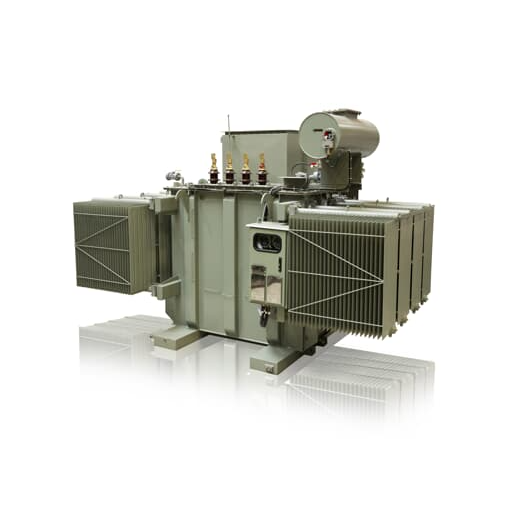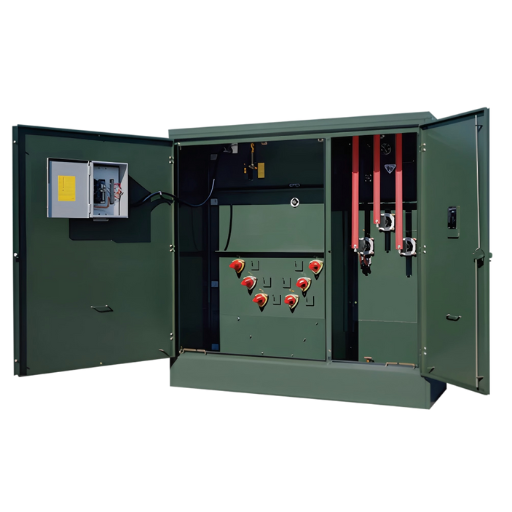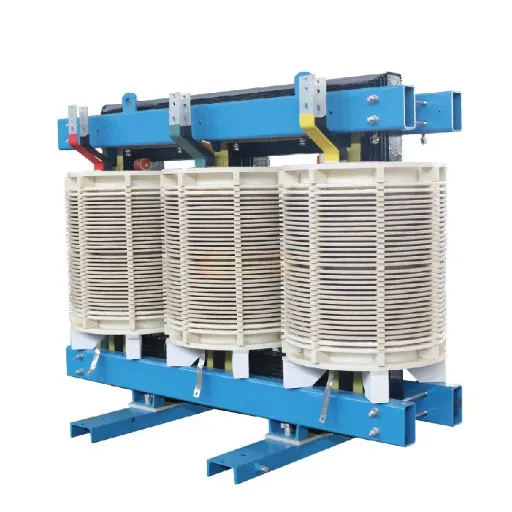
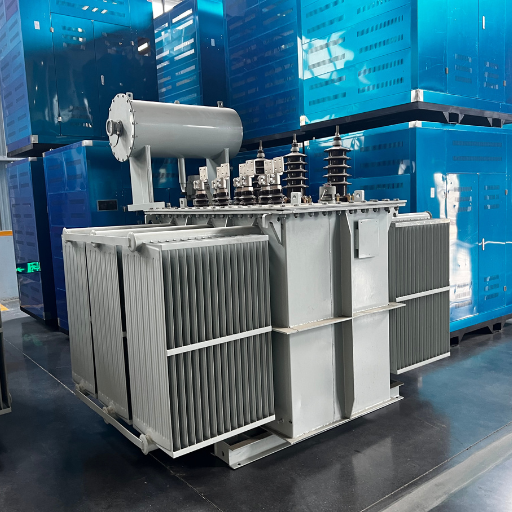
What is a Oil Immersed Power Transformer?
An oil-immersed transformer is a transformer filled with insulating oil contained in a transformer tank, where oil serves dual roles: dielectric insulation and heat removal. These immersed transformers operate across voltage transformers classes, supporting transmission and distribution at both higher voltage and lower voltage interfaces.
Components of Oil-Immersed Transformers
Core and Windings
Low-loss laminated steel cores reduce magnetization losses, while precision windings manage voltage and current density. Interleaved insulation and clearances match voltage level requirements to withstand surges, ensuring the type of transformer meets IEC creepage, clearance, and impulse performance criteria.
Transformer Oil
Transformer oil, often mineral oil, is filled to a controlled oil level to insulate and cool. Monitoring gases in transformer oil (DGA) reveals faults; dissolved gas analysis supports power transformer condition monitoring and detects overheating, arcing, and insulation degradation early.
Cooling Systems
Cooling systems range from natural oil circulation to forced oil and air or water. Oil expansion is accommodated via conservators or sealed tanks, preventing moisture ingress and oil leak risks, while managing high temperature rises under changing transformers use load conditions.
Technical Specifications & Standards
| Specification | Details |
|---|---|
| Power Rating | 500 kVA – 2500 MVA |
| Primary Voltage Range | Up to 765 kV |
| Secondary Voltage Range | Customizable based on application needs |
| Phases | Single-phase or Three-phase |
| Frequency | 50 Hz / 60 Hz |
| Cooling Method | ONAN (Oil Natural Air Natural) |
| ONAF (Oil Natural Air Forced) | |
| OFAF (Oil Forced Air Forced) | |
| OFWF (Oil Forced Water Forced) | |
| Winding Material | Copper or Aluminum |
| Insulation Type | Mineral Oil with Class A Cellulose Insulation |
| Tank Type | Hermetically Sealed or Conservator Type |
| Efficiency Level | Up to 99.8% at full load, compliant with local standards |
| Impedance | Standard values or customized per client specification |
| Vector Group | Dyn11, YNd1, or as required |
| Tapping Range | On-Load Tap Changer (OLTC) or De-Energized Tap Changer (DETC) |
| Compliance Standards | IEC 60076: Power Transformers |
| Environmental Protection | Corrosion-resistant paint system, sealed construction to prevent leaks |
| Safety Features | Pressure Relief Device, Buchholz Relay, Oil Temperature Indicator (OTI), Winding Temperature Indicator (WTI) |
Advantages of Oil Immersed Power Transformer
Superior Cooling Efficiency
The oil acts as both an insulator and a cooling medium, effectively dissipating heat and maintaining optimal operating temperatures.
Enhanced Durability
The oil immersion reduces wear and tear on internal components, extending the transformer’s lifespan significantly.
High Load Capacity
These transformers can handle higher voltage and current loads, making them ideal for industrial and utility applications.
Improved Insulation
The insulating oil provides excellent dielectric strength, reducing the risk of electrical faults and ensuring reliable performance.
Cost-Effective Operation
With high energy efficiency and low maintenance requirements, oil immersed transformers offer long-term cost savings.
Robust Construction
Designed to withstand harsh environmental conditions, including extreme temperatures and industrial pollutants.
Oil Immersed Power Transformer Applications & Industries
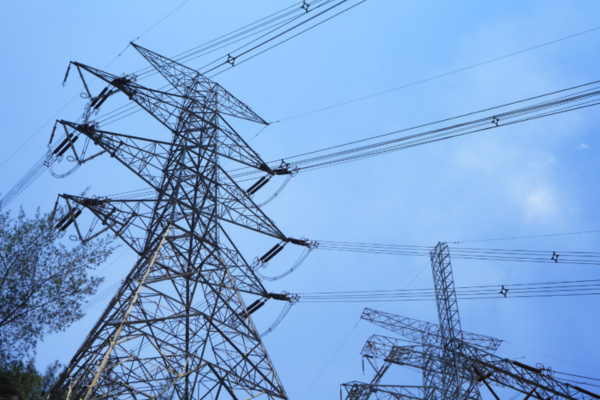
Renewable Energy Systems
Supports solar farms, wind farms, and other renewable energy installations by managing variable power loads.Onshore drilling sites, often located in remote areas, rely on these transformers for stable power delivery, minimizing downtime and operational disruptions.

Oil & Gas Industry
Oil Immersed Power Transformers are critical for powering both offshore and onshore drilling operations, where consistent and reliable energy is essential. These transformers ensure the smooth functioning of heavy-duty drilling equipment, pumps, and auxiliary systems, even in the most demanding environments.

Data Centers
Oil Immersed Power Transformers play a vital role in powering critical IT infrastructure, such as data centers, server farms, and telecommunication hubs. These facilities demand an uninterrupted and stable power supply to maintain operations, as even a brief outage can result in significant data loss, operational downtime, and financial repercussions.
What Our Clients Say
“Our facility operates 24/7, so we can’t afford any downtime. We installed one of these oil immersed power transformers six months ago, and its reliability has been outstanding. It runs efficiently, and the durability is clear from its solid construction. We’ve seen a noticeable improvement in power stability and haven’t had a single issue. Highly recommended for any critical operation.”

David Chen
Plant Operations Manager
“As the lead engineer on a major substation upgrade, choosing the right components was crucial. We opted for these oil immersed transformers due to their reputation for durability and efficiency. They have exceeded our expectations. The units handle fluctuating loads without any problem, and their robust design gives us confidence they will last for decades. A truly reliable and efficient piece of equipment.”

Maria Rodriguez
Lead Electrical Engineer
Latest Insights
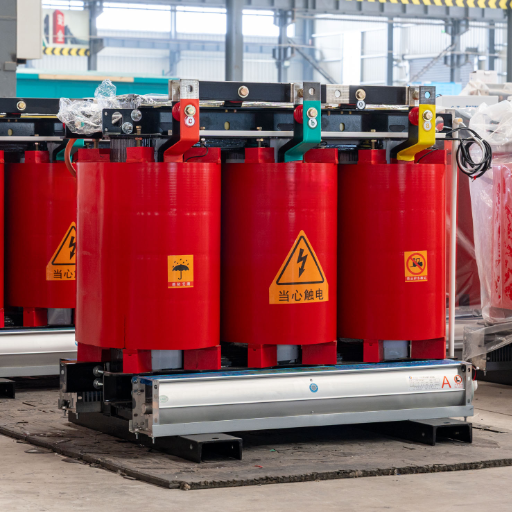
A low-loss dry-type transformer is a dry-type unit designed to reduce no-load (core) loss and load (copper) loss below standard…
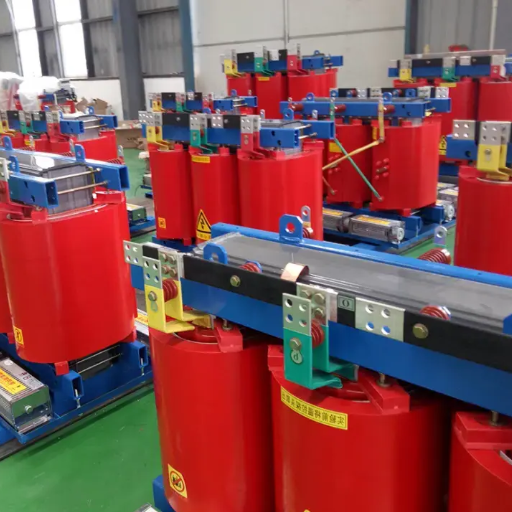
An IEC dry type transformer supplier is a manufacturer that builds dry type units to IEC 60076-11 and can prove…
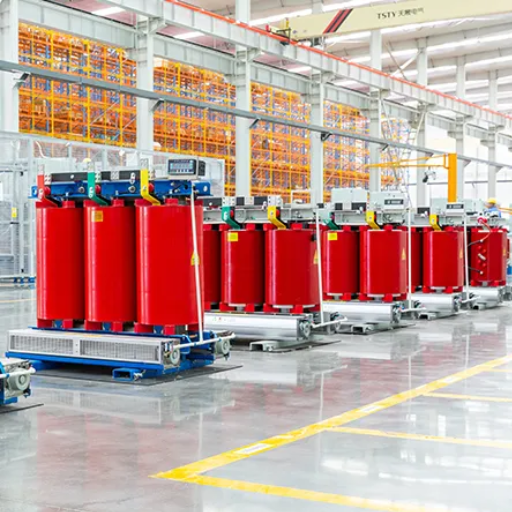
For a hospital project, a dry-type transformer is the standard indoor choice because it contains no flammable oil, needs almost…
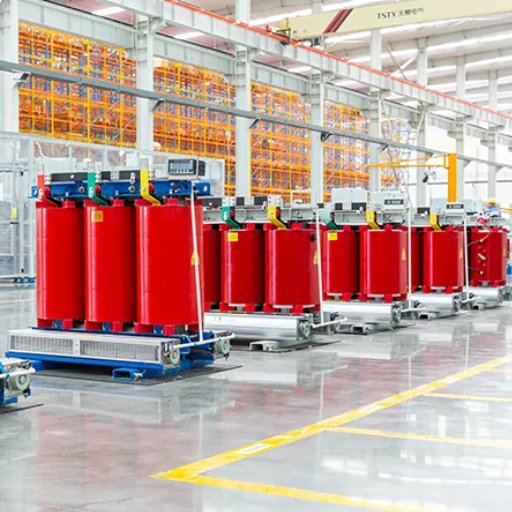
For most indoor installations, a cast resin dry type transformer is the best choice. Its epoxy-sealed windings handle humidity, dust, and strict…
Frequently Asked Questions (FAQs)
The transformer oil serves multiple roles: it provides electrical insulation, carries heat away from windings to the oil tank, and protects internal components from moisture and oxidation. Mineral oil-immersed transformers commonly use refined hydrocarbon oils, though types of oil such as synthetic esters or natural esters can be used for fire-safe applications. Inside the transformer, the oil helps transformers operate at higher loads and increases transformer lifespan in modern power systems.
Oil analysis and dissolved gases in oil testing (DGA) detect transformer fault signatures by sampling gases in the oil. Gases in the oil, such as hydrogen, methane, ethylene, and acetylene, indicate partial discharge, overheating, arcing, or thermal faults. Regular oil analysis helps identify a transformer fault early so corrective action can be taken before major failure, improving reliability in power distribution areas and preventing catastrophic tank failures.
Some transformers are hermetically sealed transformers to prevent moisture ingress and to maintain oil quality, which is crucial for electrical insulation performance. Others include an oil drain valve to facilitate maintenance, oil sampling, and oil changes. A hermetically sealed design reduces the need for frequent oil maintenance, while a tank filled with oil and equipped with drain provisions supports easier oil replacement and gas and oil sampling for diagnostic tests.
Oil-immersed transformers are classified by voltage class, power capacity (kVA or MVA), cooling method (ONAN, ONAF, OFAF), and construction (tank filled, hermetically sealed, conservator type). Selection depends on the required electrical power, site constraints, ambient conditions, and whether the transformer may need to be specified as per customer requirements for modern power or high voltage transformers. Manufacturers provide transformers designed and manufactured to meet these criteria.
Key maintenance includes periodic oil analysis, dissolved gas monitoring, checking for leaks at the oil drain valve and gaskets, inspecting the oil tank and conservator, and ensuring cooling systems function. Keeping the oil dry and clean, performing routine electrical tests, and addressing transformer faults early help maintain insulation integrity. These practices are developed for power transformer condition monitoring used across power systems to increase transformer reliability.
Mineral oil-immersed transformers are widely used in power applications because of their proven insulating and cooling properties, but mineral oil is flammable. To mitigate risk, installations follow safety clearances, fire barriers, and use hermetically sealed transformers or less flammable types of oil such as natural esters or synthetic fluids. In some locations, dry-type transformers are chosen to avoid oil-related fire hazards altogether.
-

Distribution Transformers
-
Data Centers
-
Three Phase Pad Mount Transformer
-
VPI Dry Type Transformers