
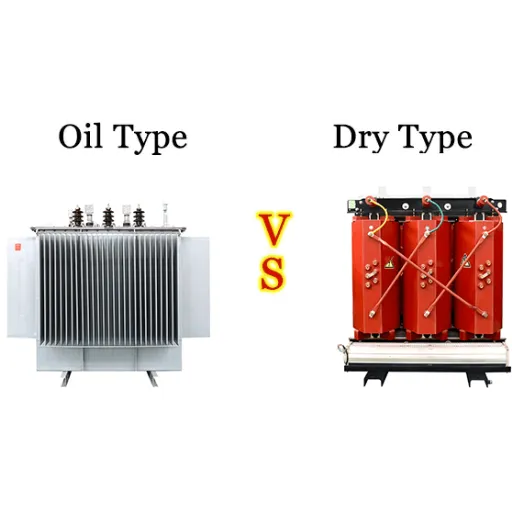
Dry Type vs Oil Filled Transformers: Complete Comparison Guide

Transformers can be very efficient, safe, and durable if one goes for the best type to use. Dry type and oil-filled transformers are the most common, but each has few advantages and disadvantages. So, what is the best choice for you? This includes what each of the two transformer types has to offer in performance, maintenance, cost, and impact on the environment. If you are engineer, in charge of a facility, or simply want to make informed choices, in this article, you will be able to identify and select a suitable transformer for that particular use.
Introduction to Transformers
What is a Transformer?
Devices known as transformers are used for transferring, by way of electromagnetic induction, electric energy between any two or more circuits to say the least. Such a device is typically tasked with stepping up or stepping down voltage, while keeping the power intact. The latter function is paramount to economically transmit electricity in miles and at the same time adjust voltage levels for the operation of certain equipment or systems.
A transformer works on the principle of magnetic induction. Primary and secondary winding coils, made of copper, are covered on opposite sides of a magnetic core to form a transformer. When in operation, an AC current that passes through a wire is a source of electric power, flow of its charged molecules obeying the reason of change which causes an initial magnetic field building an electric voltage on the secondary coil. Whether the transformer increases or decreases the voltage depends on how many turns each coil has. Such an installation itself is very simple, but thanks to it the transformator takes its rightful position in the electrical network and many other devices, both industrial and domestic.
Almost every part of the economy requires transformers because of their efficiency and reliability. They make it possible for electricity produced at the power plants to be transmitted efficiently to consumers at a lower rate of voltage causes least energy loss in transmission systems. They for instance, among others industrial machines, appliances that produce energy and consume it, or today’s devices in use, extend the changes the electrical systems may undergo.
Importance of Transformers in Electrical Systems
Transformers are extremely necessary for enhancing the effective performance during transmission and distribution of electric power. They help in manipulating the voltage levels either by increasing or reducing them to the desired values for long distance transmission of energy from the point of its generation to the end user easily and this reduces energy losses greatly which would otherwise occur without transformers. Therefore, transformers are important because they make it possible to transport electric energy over a long distance without wasting a lot of it, which would be a problem without them.
Key Point: Transformers also have other uses apart from power transmission. They have different devices operating at simple household voltages or commercial voltages these are called safe voltages and they are achieved using a transformer steps down voltage. This flexibility makes electrical energy available to all the categories of the power applications and systems especially end use appliances and techniques whenever they are required in their day to day activities.
Without transformers, devices such as microgeneration, which includes CHPs and HVAC appliances, would be far more dependent on the main grid. This therefore assures the security of supply of electricity for industries, consumers and manufactures especially under the current energy scenario where developments toward renewable systems and the new energy grid concept are taking place. In this particular case, one can see why their elasticity/capability regarding provision and reception of both traditional and renewable energy sources is so vital.
Overview of Transformer Types
Transformers can be categorized into various rules in conformity to their design, purpose and functioning. The most common types are Power Transformers, Distribution Transformers, and Isolation Transformers that have their own uses in the electrical systems.
Power Transformers
Invariably used in transmission lines of high voltages and their job is to transfer large quantities of electrical energy from one point to another for a longer distance. They are crucial elements in ensuring the efficiency of the generation and distribution processes of power.
Distribution Transformers
Work at low voltage levels and are seen nearer to the consumers like their homes and various industrial places. The main role is to reduce the voltage to a level that is safe for consumption. These are key players in preserving stable electricity supply.
Isolation Transformers
Disconnect the electrical network and increase the safety of the powered devices by separating them from the power source. Usually applied in critical applications such as medical equipment, industrial machinery, and data centers.
Understanding Dry Type Transformers
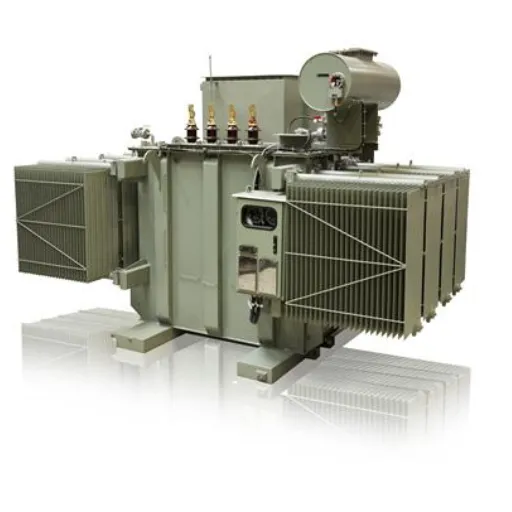
Definition and Characteristics of Dry Type Transformers
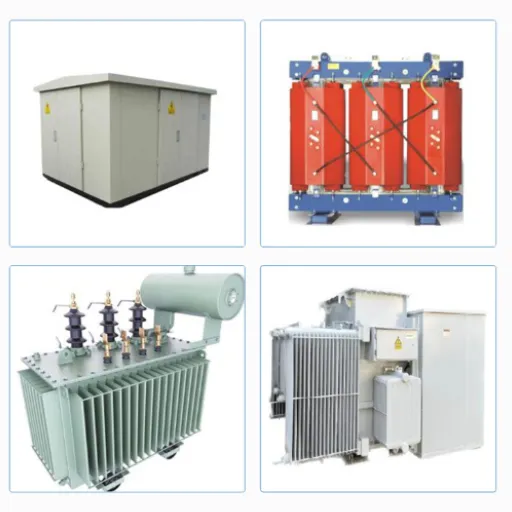
The primary cooling medium used in dry-type transformers is air, rather than any liquid dielectric. While oil-filled transformers are immersed in oil, dry type transformers do not make use of any liquid insulator. This makes them more environmentally safe and less achieved in skill. This means that such transformers can be frequently used in office buildings, factories, and housing, where chains with an edge for fire safety and environmental protection are required.
The long life and strong case, in general, are the features of dry type transformers. Note that installations make them in ventilated or hermetic enclosures, which ensures them more effective heat extraction. This makes the transformer systems especially useful for vertical structures, or places where the equipment is also indoor, such as hospitals and schools. This is because dry type transformers have a characteristic trait of moisture and dirt resistance, which makes them useful in areas that are subjected to very dry or subjective weather conditions.
Dry transformers available at present are manufactured considering the better thermal management and performance aspects. Other versions see them using resin-encased coils due to processes such as VPI with their subsequent effects on reliability and the solid nature of the insulation. Even more importantly, the transformers’ designs are optimized to minimize these transit energy losses which means less costs for the user and it is better for the environment as well.
Advantages of Dry Type Transformers
- ✓ Enhanced Safety
On the whole, dry type transformers are considered to be far safer than the oil-filled ones as they do not use flammable oil, which in turn reduces the likelihood of fire and eventually leads them to be welcomed even in the tight indoor and surroundings where nature is a concern.
- ✓ Low Maintenance Requirements
The need for oil level checks, oil filtration, or soil containment systems due to the transformers not using oil has cut down the maintenance to a large extent, which in turn has helped in easier handling and in the reduction of maintenance costs.
- ✓ High Energy Efficiency
Therefore, the energy loss has been considerably minimized with the introduction of advanced technologies like VPI and cast resin insulation, and so, dry type transformers are one way of reducing the operational costs while upping the energy efficiency rates across the board.
- ✓ Eco-Friendly Operation
By using no oils and thus not releasing any harmful gases, dry type transformers are environmentally friendly and even go so far as to contribute to global environmental sustainability as they are in-sync with the current world’s efforts and make the world a better place with their continued use in the power sector.
- ✓ Improved Durability and Performance
These transformers are constructed to face challenging environmental conditions including high humidity and contaminants and, at the same time, to have reliable performance and long service life without deformation or corrosion.
Applications of Dry Type Transformers
Exploring Oil Filled Transformers
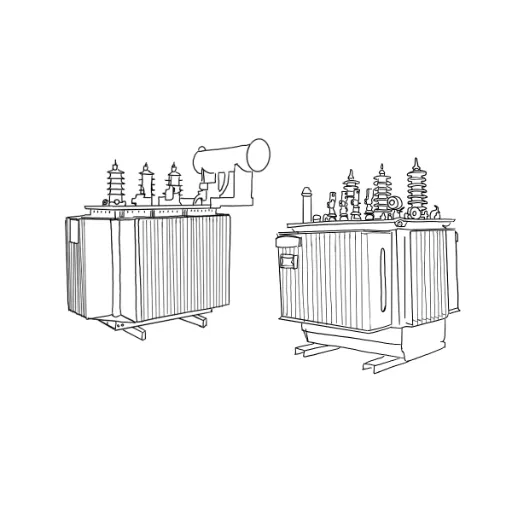
Definition and Characteristics of Oil Filled Transformers
Transformers that are cooled by oil, otherwise known as liquid-filled transformers, use an insulating oil instead of air to cool and insulate the core and windings of the transformer. The insulating oil will also help to remove the heat build up inside the transformer during operation and boost the performance of the transformer. Oil filled transformers are usually found in settings where transmission of power and high voltage are involved due to the amount of energy to be carried in the respective systems whether in commercial, industrial or utility applications.
Oil filled transformers are also highly effective in limiting temperatures. The oil inside the transformer moves around and transports the heat maturely to avert any damage by heat. In addition to that, the transformers afford good neighbor dielectric strength owing to oil abetting which creates an electrical barrier. New design tends to have better practice temperature controls and insulation to aid even more towards the safety of operation and shelve for a longer period.
On the other hand, transformers which are filled with oil need high levels of maintenance for the operation processes, especially oil filled transformers which are susceptible to oil leaks and must therefore possess compartments or enclosures to prevent such oil leaks and to ease the process of inspection. Nonetheless, their engineering design not only facilitates better management of load requirements but also permits the use of electricity over long distances, helping both in generation and consumption of electricity.
Advantages of Oil Filled Transformers
- ✓ High Efficiency
One of the most significant features of oil filled transformers is, of course, their high efficiency, which at the same time contributes to a decrease in energy losses as products operate. Their efficiency in terms of handling heat is also the factor that makes them have a long life and keeps them working consistently.
- ✓ Superior Cooling Capability
The insulating material in the transformers acts as a medium for cooling besides being an electrical insulator. Therefore, if a transformer can give off heat rapidly, it will not overheat when taking on heavy loads.
- ✓ Enhanced Insulation Properties
The system’s dielectric strength is increased by the oil that is used as an insulator. That means there will be better insulation between the transformer components, thus less likely for electrical breakdowns to happen.
- ✓ High Load Capacity
Oil-filled transformers are capable of handling high load requirements; this makes them perfect for industrial and power grid applications. Their tough build makes them able to work nonstop even under tough conditions.
- ✓ Longevity and Durability
Oil-filled transformers that are appropriately maintained can endure for many years. The oil keeps the moisture out and safeguards the components inside so as not to get damaged by corrosion. Thus, the performance of such transformers will be steady and long-lasting.
Applications of Oil Filled Transformers
Key Differences Between Dry Type and Oil Filled Transformers
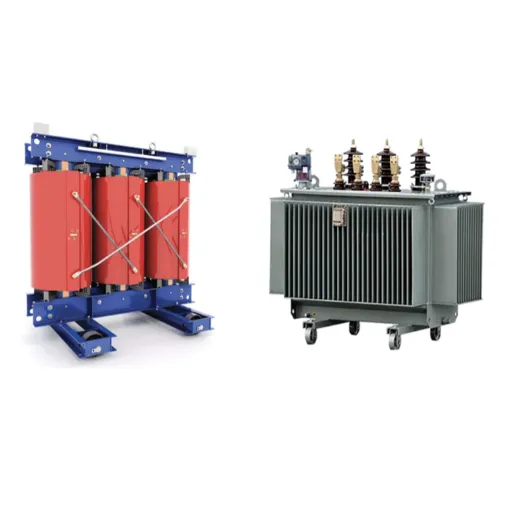
Cooling Medium Comparison
The most significant difference of dry type vs oil filled transformers as to the function is the method employed to contain the effect of the heat produced by any such transformer. Dry type transformers, as the name implies, use air for cooling purposes either by the natural process of convection or by the forced ventilation. In this type, no liquid is used which makes them friendly to the environment, besides being useful in places where there is a high risk of fires such as schools, hospitals and other working premises.
Conversely, oil filled transformers need a class of oil which is used for both insulation and cooling purposes. The oil absorbs heat from the core and coils and then dissipates it out of the radiators or cooling fins. Due to this convenient cooling, oil filled transformers have the capability to be used in higher power ratings and in continuous operations without any effects due to the heavy loads. Thus, they are frequently used in manufacturing industries, power stations and even power supply networks.
⚠️ Important Consideration: When it comes to performance and environmental considerations, although primarily liquid filled transformers are more effective in dissipating heat, they do have their disadvantages such as the requirement of continuous emission and checking of oil and oil leaks. Comparatively dry types transformers, which are slightly inefficient from high loading in terms of efficiency, tend to have fewer maintenance obligations and serve good against environmental hazards.
Insulation Techniques
Effective measures to control insulation of transformers during their lifespan is very important because such electrical tools need proper insulation for them to function appropriately. For example, insulation is achieved by either solid or liquid substances which operate by protecting the transformer from the damaging issues of overheating and electrical hyperactivity. This insulation is composed of materials that are either solid or liquid incorporating every component that assists in controlling the temperature of the components of the transformer.
Paper, pressboard, epoxy resin are examples of solid insulation material, mostly used in both the oil filled and dry-type transformers. Liquid insulation includes mineral oil or biodegradable esters which mainly serves as a coolant that helps the system both to insulate and transport heat away. Usage of gas-based insulating material such as SF6 gas is however limited to certain cases only due to its excellent dielectric strength and arc quenching capabilities.
Modern innovations revolve around multifaceted approaches such as optimization of composite insulation systems to use in power transformers. In this, multiple substances are made, each with specific properties which when combined aid in improving the performance both ‘Dielectric and Thermomechanical properties’ thus eliminating the wear and tear during operation. Another variation has been accomplished in dry type transformers by means of high temperature resistant polymer resins which enable without significant degradation of insulation even in harsh environment.
Environmental Impact and Safety Considerations
Transformers are indispensable elements of the contemporary power supply infrastructure, and their associated environmental and safety impacts also attract huge attention. One of the essential issues relates to emissions of greenhouse gases and dangerous substances, such as polychlorinated biphenyls (PCBs), present in most old transformers. Although stringent restrictions have led to the virtual elimination of PCBs, there are still environmental concerns associated with end-of-life equipment management.
Transformers environmental aspect can be also further improved by making them energy efficient. More energy is lost during transmission and distribution of energy than in its production and that is additional amount of carbon released into the atmosphere. Solutions include amorphous material for the core of the transformer and improving the design of the winding. Such innovations aid in reducing energy consumption without wasting it and are conducive to the worldwide movement towards environmental sustenance and climate stabilization.
Safety is as well of great importance particularly in cities with dense population or cities which experience harsh weather conditions. To address these problems, manufacturers are moving towards installation of intelligent systems focusing on the internal condition of the transformer such as temperature, pressure, insulation performance etc. These systems can detect any failures before they happen and thus, assist the operators not to allow any such malfunctions to happen by alerting them of the possibility of them happening. In this manner, incorporating high technology to respectably conserve the environment, transformer design and operation are approached in a way that caters for the recurrent need for elevated sustainability levels and safety in the energy sectors to date.
Maintenance and Lifespan of Transformers
Maintenance Needs for Dry Type Transformers
Dry type transformers are the type of transformers that require minimum maintenance compared to oil-filled transformers but maintenance is still very much necessary to keep them functioning properly and to increase their life span. Inspection works including making sure that the transformer’s surface is dust and debris free as these can be the cause for blocked ventilation and overheating. Cleaning may be done with the help of non-abrasive and dry materials so as not to cause any damage to insulation and the rest of the components.
🔧 Key Maintenance Practices for Dry Type Transformers
- Connection Monitoring: Regular checking of tightness in electrical connections to prevent loss of energy or excessive heating
- Thermal Imaging: Use of thermal imaging technology for hotspot detection not visible during normal inspection
- Insulation Testing: Regular insulation resistance testing and temperature testing of the winding
- Environmental Protection: Incorporation of enclosures having proper ventilation and temperature controls
- Predictive Maintenance: Data analysis-based comprehensive programs to lessen untimely failures
Also, the performance of dry type transformers can be affected by environmental factors like humidity, temperature, and air quality. To shield the transformers from such influences in harsh surroundings, the incorporation of enclosures having proper ventilation and temperature controls is one of the most successful events one can think of. Moreover, the replacement of the outdated preventive maintenance program with a more comprehensive one based on data analysis could be the most effective treatment to lessen untimely failures, have less operational stoppages, and eventually, secure the complete operational efficiency of the dry type transformers.
Maintenance Needs for Oil Filled Transformers
To lengthen the lifespan of an oil type transformer, there is need for careful and constant attention. Among the very crucial aspects is the evaluation and assessment of the quality of the insulating oil used which helps in limiting the temperature as well as adding electrical insulator. One of the preventive measures of degradation and contamination of the oil is by periodic grading and sampling of oil to assess factors such as acidity, moisture in oil among others. To eliminate the probability of arcing and insulation dysfunction, it is important to provide cooling of oil at all times.
🛠️ Essential Maintenance Tasks for Oil Filled Transformers
- Oil Quality Testing: Regular evaluation and assessment of insulating oil quality
- Oil Sampling: Periodic sampling to assess acidity, moisture content, and contamination levels
- Seal Inspection: Timely inspection of gaskets, seals and bushings to prevent oil seepage
- Cooling System Maintenance: Ensuring proper cooling of oil at all times
- Dissolved Gas Analysis: Regular testing to predict early transformer deterioration
Furthermore, the inspecting of the gaskets, seals and bushings should be carried out timely to obviate possibilities of oil seepage and mechanically caused damages. Electrostatic devices can be used to eliminate any particulates from the air that could cause short-circuits in the equipment or any impurities that could interfere with proper equipment operation.
Factors Affecting the Lifespan of Both Types
There are several crucial factors that can impact the life of both dry-type and oil-filled transformers, such as the operating environment, load conditions, and maintenance practices. The presence of contaminants, like dust or a corrosive medium, can hasten the degradation of the insulation system owing to the temperature, humidity, and dumping of the materials during manufacture of the transformer are all environmental factors. In another example, very high temperatures can cause the insulation to age and thus make the transformer less efficient and less reliable.
Managing the load is also a very important factor that influences the transformer’s lifespan. If the transformer is excessively overloaded or operated close to its full capacity for a long period of time then the result will be thermal stresses which can cause the internal parts to deteriorate gradually. Dry type transformers especially are at great risk if overloaded as the insulation for these transformers is done by air which isn’t that reliable in terms of cooling. There are some solutions to this problem like effective load distribution and real-time monitoring systems that can cut down the risks to a great extent.
Maintenance and diagnostic works that are regularly done and performed are both equally important. Regularly doing oil testing to transformers with oil can predict that the transformer is being affected early by the presence of dissolved gases from the oil. Furthermore, the full examination of connections, cooling, and insulation in both types of transformers is crucial for avoiding troubles. The innovations in the sector such as infrared thermography and online monitoring systems have been proving very effective in assisting the operators to execute preventive maintenance. The life of the transformers and their safety in operation can be very much improved through predictive maintenance approaches.
Comparison Summary: Dry Type vs Oil Filled Transformers
References
-
Some Comparison of Dry Type Transformers and Oil Filled Transformers – Academia.edu: This paper compares the size, voltage ratings, and fire safety considerations of dry-type and oil-filled transformers.
-
Distribution System Transformers – Iowa State University: Provides an overview of dry-type and liquid-filled transformers, including their cooling and insulation methods.
- Click here to read more.
Frequently Asked Questions (FAQ)
Q: What is the main difference in the use of dry type vs oil filled transformers?
A: The first main difference of dry type transformers compared to oil filled transformers is the medium which is used for cooling and insulation. Dry type utilize air or cast resin insulation to cool down and insulate windings of the transformer whereas oil filled or oil immersed use different oils for example mineral or other insulating oils that circulate through tanks filled with oil around coils of transformers to help cool down the coils and enhance insulation. Such differences in structure and installation techniques also define placement of transformers, effectiveness of outdoor transformers, and performance in case of excessive loads and temperatures.
Q: Which type of transformer is appropriate for different applications?
A: Which type of transformer to use depends largely on its application. Dry-type transformers are mostly used in commercial, residential and industrial applications within buildings where spills and fires can pose a significant danger. In such situations, low voltage distribution and cast resin transformers are favored, as there is little concern about oils. The oil filled type is used more for large power transmission and distribution as well as industrial architecture. The latter is because the liquid filled type aids in better heat dissipation and can accommodate larger connections.
Q: What causes transformer oil to enhance the effectiveness of oil filled transformers?
A: Oil transformers use oil for its function as both an insulating and cooling medium: The oil circulates in the transformer winding and coil to remove the heat, and improve its cooling and operation efficiency in the presence of oil. The presence of transformer oil also assist in reducing the corona and the arcing, thereby increasing the dielectric strength. While this does improve the transformer’s efficiency, there are also associated problems and thus containment of oil, maintenance of the transformer avoiding any oil spills together with environmental and fire hazards is essential.
Q: Will dry type vs oil filled transformers provide any risk advantage?
A: Dry-type transformers are preferred in ecosensitive zones owing to the fact that they have no combustible liquids hence reducing the risk of fires and oil spills. Both dry-type and oil-cooled transformers have their own pros and cons. While dry-type eliminates the risks associated with oil spillage and oil containment, oil filled transformers provide efficient cooling and outlast dry transformers under heavy load conditions. The choice is dependent on the place of use and application of transformer in question and what factors would dictate such use other than cost.
Q: Which of the two is more efficient – dry type vs oil filled?
A: Efficiency in using oil-filled transformers in large transformers in most of the cases is elevated because oil cooling mechanisms are far better in heat removal from transformer windings which results in higher thermal efficiency and decreased losses at higher loads. Conversely, distribution transformers or smaller loading can have dry types which provide sufficient performance while not including oil management related to transformer design among other advantages.
Q: Can dry-type transformers be placed outside the building as the oil-filled ones?
A: Yes, that is possible, there are dry type transformers designed for outdoor use, but the design considerations are different. Such units are required to have pressurized housing with the aim of keeping humidity and dust from affecting the insulation and the operation. Oil filled transformers naturally handle outdoor conditions better due to their sealed design and superior cooling mechanisms.
Q: What are the differences in terms of maintenance or service life of liquid filled and dry type transformers?
A: Oil cooled transformers require regular oil testing, oil gauge monitoring, and possible oil purification for insulation purposes and to prevent decay. Dry type vs oil filled transformers may be less maintenance intensive due to absence of transformer oil and may require condition monitoring of ventilation, regular dusting, and condition of cast resin or other related insulations. In any case oil immersed transformer can last for greater time with proper maintenance, but dry transformers are useful where low maintenance is a priority.
Q: What are the environmental and safety concerns with oil filled transformers?
A: The most fundamental reasons for alarm include oil leakage, oil fires, and the need for containment tanks at substations that house transformers. Any leakage from a tank filled unit which uses mineral oil or other dielectric fluids means that secondary containment is needed for oil-filled transformer sites. Environmental cooling and conservator tanks are the two methods being used in terms of the energy conservation considerations for designing and siting of substation transformers and industrial installations.
Q: What are the factors to be considered when deciding if a dry type vs oil filled transformer is needed?
A: Make your selections based on the application of the transformer, the voltage levels, the constraints at the site, and finally the ease of maintenance – use dry-type transformers where the installation is indoors or low voltage distribution, or any other situation where a possible spill or fire should be avoided (preferably this should be dry type and cast resin) while oil filled or oil immersed transformers should be considered for heavy power distribution outside of the building or in any applications that require submerged transformers for their greater cooling and efficiency. Keep in mind the type of transformers versus the space they will occupy, the cooling media, the ratings of the windings of the transformer and the local regulations with respect to oil containment and installation of transformers.
Conclusion
Choosing between dry type and oil filled transformers requires careful consideration of multiple factors including application requirements, environmental conditions, safety concerns, maintenance capabilities, and budget constraints. Dry type transformers excel in indoor environments where fire safety is paramount and maintenance resources are limited, making them ideal for commercial buildings, hospitals, and residential areas. Oil filled transformers, on the other hand, provide superior cooling performance and longevity for heavy industrial applications, power generation facilities, and outdoor installations where high load capacity is essential. Both types continue to evolve with technological advancements that improve efficiency, reliability, and environmental sustainability. By understanding the key differences outlined in this guide, you can make an informed decision that best serves your specific electrical infrastructure needs while ensuring long-term performance and safety.