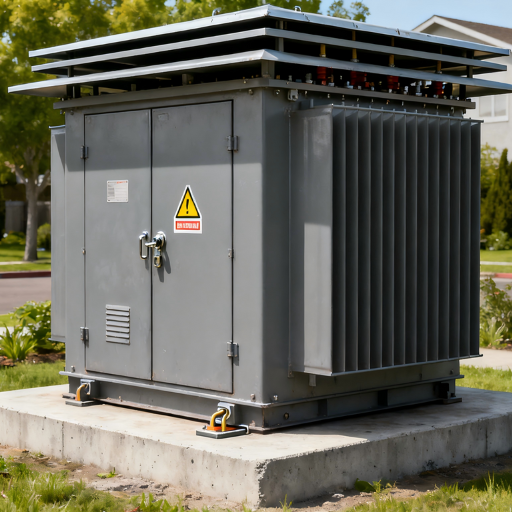
The Importance of Transformers in Data Centers
Transformers are the heartbeat of data center power infrastructure, safely stepping down high-voltage grid power to usable levels for servers and cooling systems. High-performance transformers are essential for handling non-linear loads, minimizing harmonic distortion, and reducing heat generation. By ensuring stable voltage and maximizing energy efficiency, the right transformer prevents costly downtime and protects critical IT assets in high-demand environments.
Energy-Efficient Transformers for Sustainable Data Centers
Amorphous Metal Core Technology
Traditional silicon steel cores lose significant energy as heat. Our transformers utilize amorphous metal cores, which have a non-crystalline structure that drastically reduces magnetic hysteresis losses. This technology can reduce no-load losses by up to 70%, contributing significantly to a lower Power Usage Effectiveness (PUE) ratio for your facility.
Optimized for Low-Load Efficiency
Data center transformers rarely run at 100% capacity due to redundancy requirements (often running at 30-40% load). Standard transformers are inefficient at these levels. Our units are specifically optimized to maintain peak efficiency even at lower load percentages, ensuring you aren’t paying for wasted energy during standard operations.
Reduced Carbon Footprint
Sustainability is no longer optional. By integrating our high-efficiency transformers, you directly reduce the Scope 2 greenhouse gas emissions associated with your facility’s electricity consumption. This helps your organization meet aggressive corporate sustainability goals and qualify for green building certifications like LEED.
Technical Specifications & Standards
| Feature | Specification |
|---|---|
| Power Rating | 150 kVA to 5000 kVA (Customizable) |
| Primary Voltage | 480V / 4160V / 12.47kV / 13.2kV / 13.8kV |
| Secondary Voltage | 480Y/277V or 208Y/120V |
| Frequency | 60 Hz (50 Hz available) |
| Winding Material | Copper or Aluminum |
| Insulation Class | 220°C System |
| Temperature Rise | 80°C, 115°C, or 150°C |
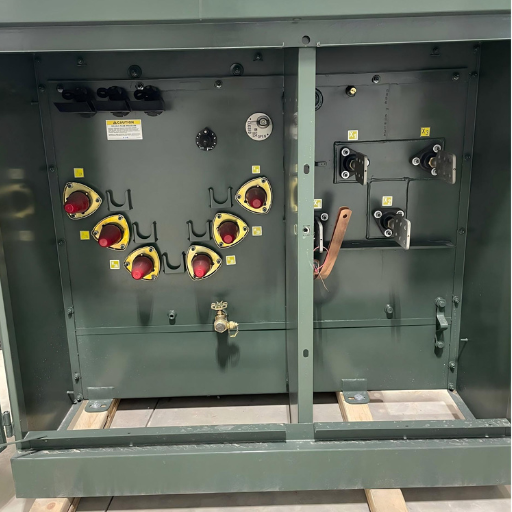
| Enclosure | NEMA 1 (Indoor) or NEMA 3R (Outdoor) |
| K-Factor | K-1, K-4, K-9, K-13, K-20 |
| Efficiency | Exceeds DOE 2016 Standards |
Choose the Right Transformer for Your Data Center
Assess K-Factor Ratings
Data centers generate non-linear loads. Choose a transformer with an appropriate K-Factor (K-4, K-13, or K-20) to handle harmonic currents without overheating.
Evaluate Efficiency Levels
Look for DOE 2016-compliant transformers. High efficiency at partial loads is crucial since data centers rarely run at 100% capacity 24/7.
Determine Cooling Requirements
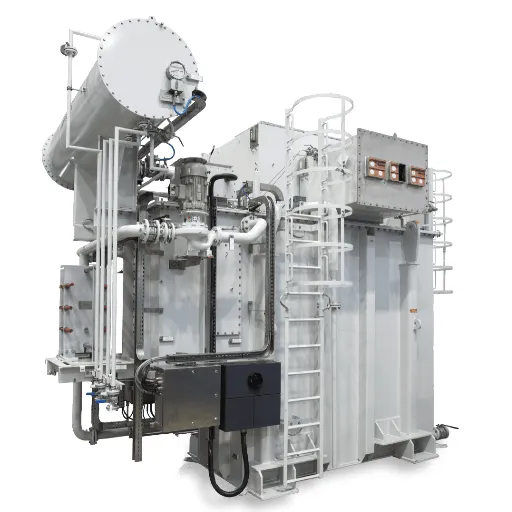
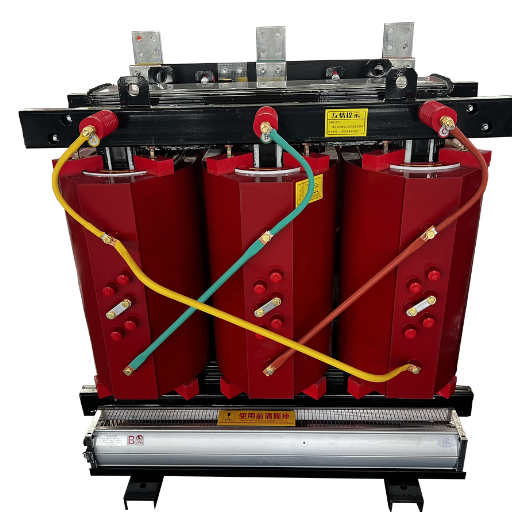
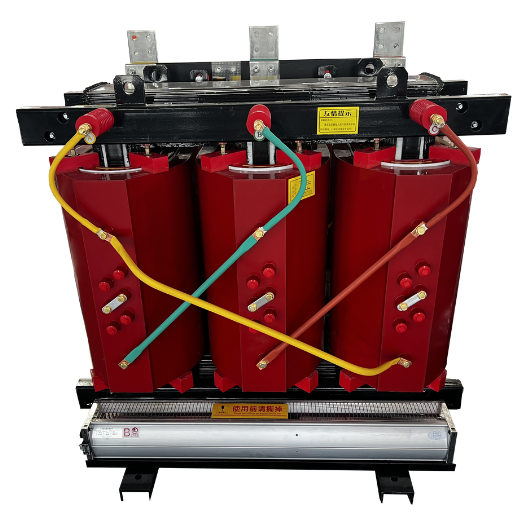
Decide between dry-type (air-cooled) or liquid-filled units based on your facility’s fire safety codes and heat rejection capabilities.
Check Impedance Values
Correct impedance helps limit fault currents during short circuits while avoiding excessive voltage drops during normal operation.
Physical Footprint and Enclosure
Ensure the unit fits your floor plan. Consider NEMA enclosures if the transformer will be located in areas with dust or moisture.
Monitoring Capabilities
Modern transformers should support smart monitoring for real-time data on temperature, voltage, and load status to predict maintenance needs.
What Our Clients Say
“The switch to these specialized transformers reduced our cooling costs by 15% within the first quarter. The installation team was professional and the uptime has been flawless.”

Michael Chen
CTO
“We needed a custom solution for our new edge computing facility. Their engineering team designed a compact unit that fit our tight constraints without sacrificing power density. Highly recommended.”

Sarah Jenkins
Director of Infrastructure
Latest Insights
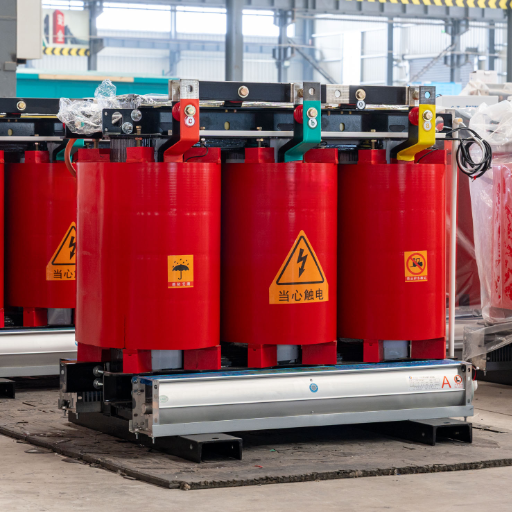
A low-loss dry-type transformer is a dry-type unit designed to reduce no-load (core) loss and load (copper) loss below standard…
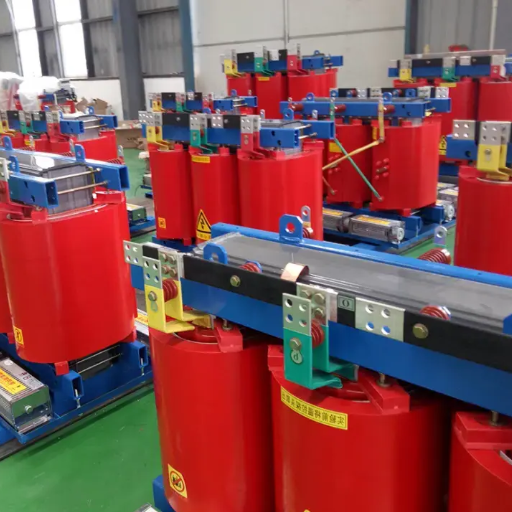
An IEC dry type transformer supplier is a manufacturer that builds dry type units to IEC 60076-11 and can prove…
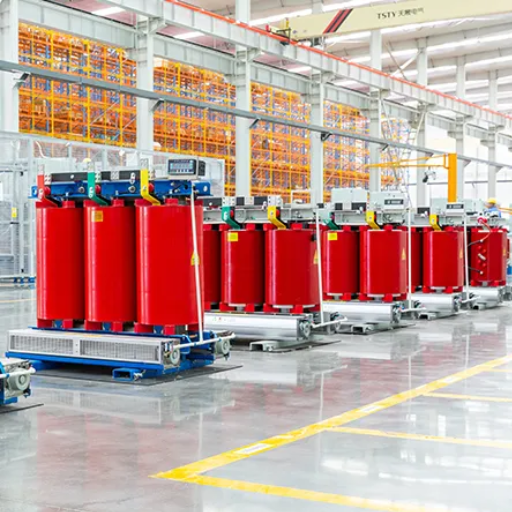
For a hospital project, a dry-type transformer is the standard indoor choice because it contains no flammable oil, needs almost…
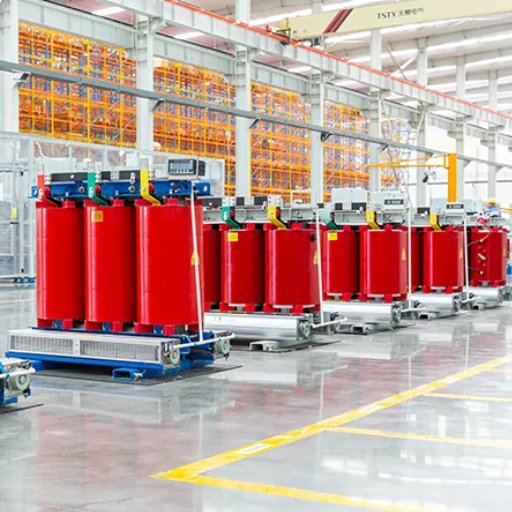
For most indoor installations, a cast resin dry type transformer is the best choice. Its epoxy-sealed windings handle humidity, dust, and strict…
Frequently Asked Questions (FAQs)
Our data center transformers are specifically designed with K-Factor ratings to handle non-linear loads. We use oversized neutral conductors and specialized winding techniques that reduce eddy current losses. This prevents the overheating that typically causes standard transformers to fail in server room environments.
Standard configurations are often in stock for immediate deployment. For fully custom solutions tailored to specific footprint or voltage requirements, our agile manufacturing process typically allows for a lead time of 6-8 weeks, which is significantly faster than the industry average.
Yes. We maintain a strategic reserve of mobile substations and emergency replacement units. In the event of a catastrophic failure or natural disaster, our logistics team can deploy temporary power solutions to your site to ensure business continuity while permanent repairs are made.
Our guarantee is backed by a service-level agreement (SLA). It is based on the superior build quality, redundant cooling capabilities, and rigorous testing of our units. If a failure occurs due to a manufacturing defect that impacts your uptime, we offer expedited replacement and financial credits as outlined in the contract.
Absolutely. We offer specialized designs that can be integrated with liquid-cooled data center architectures. This includes water-cooled enclosures or units designed to operate in close proximity to rear-door heat exchangers without suffering from condensation or humidity issues.
While the core of a transformer cannot be changed, we offer retrofitting services for monitoring and cooling. We can upgrade your existing infrastructure with smart sensors and forced-air cooling fans to extend the life of your current assets and improve their peak load capacity.
-

Special Transformers
-
Healthcare & Hospitals
-
Universities & Educational Facilities
-
Pad Mount Transformers