
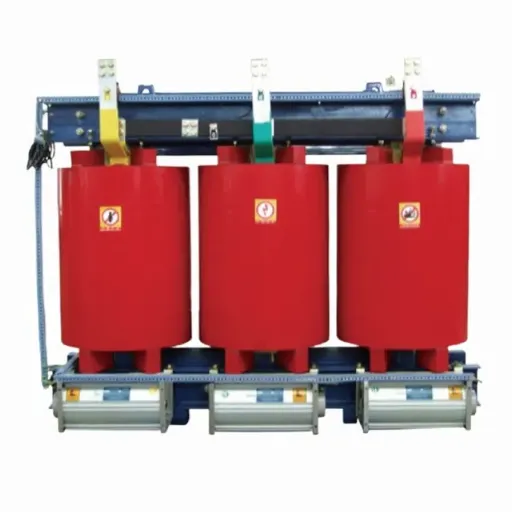
Cast Resin vs VPI Dry Type Transformers: Which is Better?

As you work through the process of finding the ideal transformer for your project, the magnitude of the choice can be overpowering. The two main transformers to choose from are cast resin and VPI (Vacuum Pressure Impregnated) dry type transformers. Both have separate features, benefits, and applications yet how do you know which one is the best for your own case? This blog post sheds light on the respective key differences and benefits of the two transformer types, therefore, putting you in a position to make a well-grounded decision. Whether you are fabricating industrial facilities, commercial buildings, or renewable energy systems, it is indispensable to be familiar with these technologies if you want your project to perform with the highest level of efficiency and productivity.
Understanding Cast Resin and VPI Transformers
What is a Cast Resin Transformer?
Cast resin transformer is a major type of dry-type transformer where the windings are cast in epoxy resin. This technique does not need an insulating oil which makes it a safer and cleaner transformer. The resin cover offers very good protection against moisture, dust, and corrosive elements, all of which are favorable for the use of these transformers in harsh or critical environmental conditions.
Key Benefits
- Enhanced Safety: No oil means minimal fire risk and hazardous losses
- Low Maintenance: Resin-covered internal units handle physical damage and environmental wear effectively
- Environmental Resistance: Superior protection against moisture, dust, and corrosive elements
- Compact Design: Easy integration into confined spaces
- Low Noise Operation: Suitable for both indoor and outdoor installations
Prime Applications: Industrial complexes, commercial buildings, and public infrastructure where high environmental stress and low noise levels are critical requirements.
What is a VPI Transformer?
VPI stands for Vacuum Pressure Impregnated transformer. These transformers utilize a special drying and compression technology where windings are coated with resin that is cured to solidify. This construction without liquid insulation improves safety, makes packaging eco-friendly, and reduces maintenance requirements.
Key Benefits
- Versatile Usage: Excellent performance in extreme environments (high humidity, dusty, corrosive places)
- Contamination Resistance: Non-porous, water-resistant resin protection
- Thermal Management: Optimized design for efficient heat transfer
- Quiet Operation: Low noise levels suitable for sensitive environments
- Durability: More robust in long-term use
Prime Applications: Small transformers for hospitals and computer facilities, as well as large transformers for industries and energy generation purposes.
Key Differences Between Cast Resin and VPI
📊 Critical Comparison Factors
Construction & Functioning
Cast Resin: Winding encapsulation by epoxy resin provides high resistance to water and superior strength. Ideal for operations with high moisture content, dust, and corrosion.
VPI: Coiled windings varnished using resin under vacuum and pressure, delivering very strong insulation that works optimally in enclosed and controlled conditions.
Heat Resistance
Cast Resin: Enhanced heat withstandability through epoxy, can withstand high temperatures without problems. Preferred in high-fire-risk installations due to flame retardant or self-extinguishing properties.
VPI: Good heat absorption features but requires extra attention in very hot environments. Thermal resistance up to 180°C insulation class.
Cost & Maintenance
Cast Resin: Higher initial costs but lower maintenance expenses due to superior resistance.
VPI: Less expensive initially but may require regular maintenance, especially in environments with accumulated dirt or contaminants.
Advantages of VPI Transformers
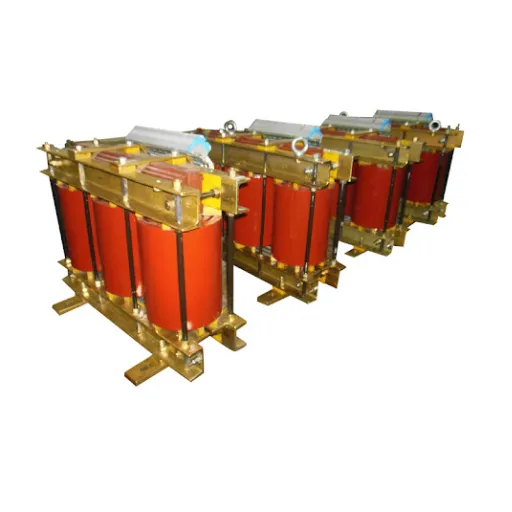
Benefits of Vacuum Pressure Impregnation
✓ Improved Insulation Performance
Voids and gaps are filled with resin, reducing partial discharge risk and improving overall dielectric strength.
✓ Enhanced Thermal Conductivity
Sturdy insulation structure allows for effective heat discharge and reliable performance even under high loads.
✓ Resistance to Harsh Environments
Excellent protection against moisture, dirt, and minor contaminants, ideal for hard or industrial environments.
✓ Longer Operational Lifespan
Reduced electrical and thermal stress aging extends transformer life and reduces replacement costs over time.
✓ Reduced Maintenance Needs
Better protection against mechanical and environmental factors means less frequent maintenance and reduced downtime.
✓ Fire Safety
Heat and combustion-resistant materials minimize fire risk and ensure smooth operations.
Performance in Harsh Environments
- High Thermal Resistance: Maintains current flow even with extreme heat generation, up to 180°C insulation class
- Moisture Protection: Impermeable structure guards against moisture penetration, safe for seaside or humid areas
- Contaminants Protection: Strong resistance to airborne contamination in industrial and polluted environments
- Shock and Vibration Resistance: Hardy mechanical configuration provides predictable performance even in seismic zones
- Extended Service Life: Typically warranted for more than 20 years of use, regardless of harsh conditions
Advantages of Cast Resin Transformers
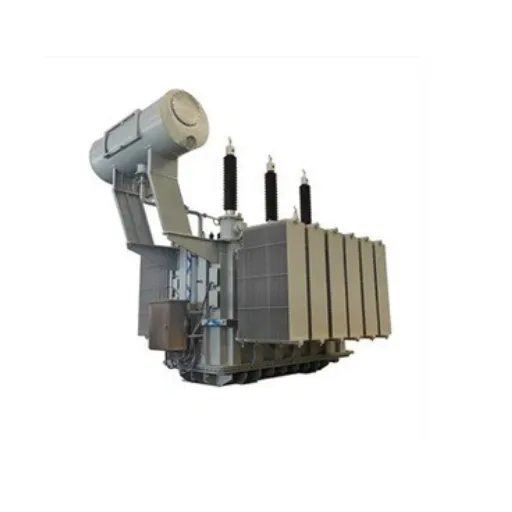
Benefits of Encapsulation
✓ Enhanced Moisture Resistance
Encapsulation protects coils from moisture damage, enabling long working life in damp or humid conditions.
✓ Elevated Endurance
Embedded design prevents mechanical stress, vibration, and external impacts, safeguarding performance under adverse circumstances.
✓ Reduced Maintenance
Strong outer cladding eliminates laborious cleaning and inspections, resulting in lower maintenance costs and minimized plant operation interruptions.
✓ Eco-Friendliness
No oil insulation material means zero risk of oil leakage or hazardous waste, aligning with sustainable energy practices.
✓ Fire Resistance
Top-notch fire-retardant properties significantly reduce fire-related risks, enhancing security in secluded or delicate areas.
Cost-Effectiveness and Lifespan
- Reduced Maintenance Costs: No oil means no regular oil checks and replacements, substantially reducing maintenance expenses
- Extended Lifespan: Stable construction materials withstand harsh conditions for 20-30 years without drastic performance drop
- Optimized Operation: Lower copper and core losses enhance energy conversion efficiency, cutting operational costs
- Lower Installation Costs: Compact and lightweight design makes transport and installation easier and cheaper, especially in congested spaces
- Long-term ROI: Higher initial investment is recovered through maintenance savings, efficiency gains, and safety benefits
Low Voltage vs High Voltage Applications
Low voltage is used for small devices and systems like lighting, security, and home automation, while high voltage powers large equipment, industrial facilities, and long-distance transmission.
Comparative Analysis: Cast Resin vs VPI
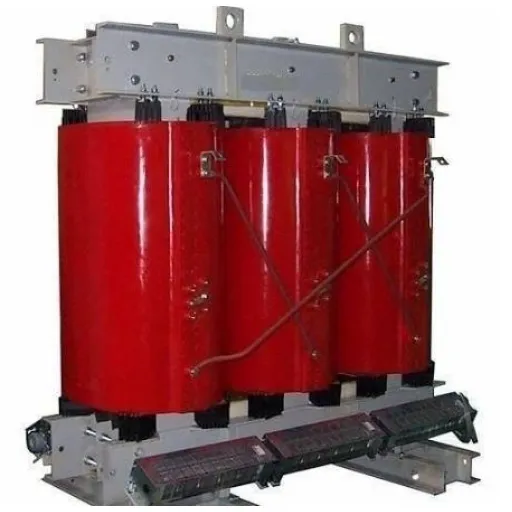
Performance Metrics
VPI Transformers Performance
VPI transformers excel in heat management and power conservation. The vacuum impregnation procedure makes coils mechanically stronger and enhances insulation levels. They are more appropriate for high-voltage applications where heat resistance and exact insulation are necessary.
Best For:
- Heavy industries
- Power plants
- Areas with high electric power consumption
- Locations distant from maintenance services
Cast Resin Transformers Performance
Cast resin transformers are top-notch in safety and toughness in places with severe conditions. Their fully enclosed structure and self-extinguishing properties make them ideal for environments with strict fire safety regulations.
Best For:
- High-rise buildings
- Commercial facilities
- Areas with poor ventilation
- Environments with high humidity or pollutants
Installation Considerations
Cast Resin Transformers
- Resilient for indoor installation
- Ideal for high buildings
- Self-extinguishing resin coating
- Fire resistant properties
- Thicker and heavier design
- Performs well in high humidity
VPI Transformers
- Adaptable to various conditions
- Suitable for indoor and outdoor use
- Wide temperature range tolerance
- Requires elaborate cleaning procedures
- Lighter weight design
- More maintenance intensive
Important: Site preparation is crucial including ventilation and foundation works to extend transformer life and strengthen work processes. Consider weight, space, and environmental factors when making your selection.
Long-Term Reliability
The main issue in the selection of transformers for commercial and industrial use is long-term reliability. Functionality and overall operational costs are affected by transformer durability.
Cast Resin Reliability
Not easily contaminated with environmental impurities, making them the best option for moist or dusty areas. Faultless design reduces failure risk and lessens maintenance demands.
VPI Reliability
Better choice for clean and well-ventilated spaces but have lower resistance to harsh environments compared to cast resin. Requires more regular inspections and preventive maintenance.
💡 Reliability Enhancement Strategies
- Utilize advanced manufacturing technologies and modern insulation materials
- Implement regular inspections and preventive maintenance schedules
- Conduct insulation integrity tests to identify potential failures early
- Employ data-driven decision-making with real-time monitoring systems
- Optimize thermal performance through improved core and coil designs
- Balance equipment capacities with energy needs for maximum ROI
Real-World Applications of Cast Resin and VPI Transformers
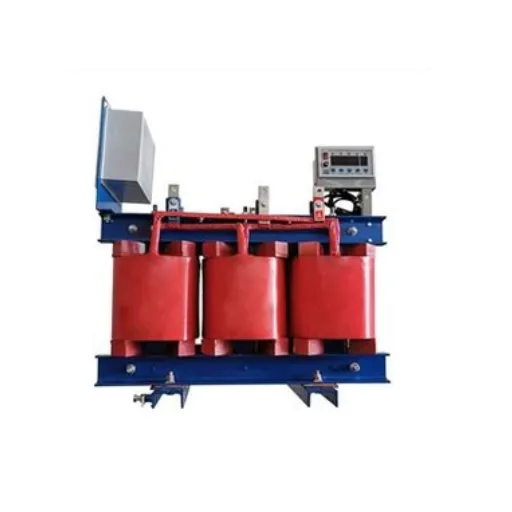
Industries Utilizing Cast Resin Transformers
Cast resin transformers are the go-to form factor in electrical engineering applications across the globe when the result needs to be a combination of reliable performance, safety, and minimum maintenance. They have a certain reputation in operation, and the industries that benefit most include:
🏢 Commercial Buildings
High-rises, shopping malls implementing safe and reliable electricity distribution systems to reduce fire risks from oil-filled equipment.
🌱 Renewable Energy
Wind farms and solar plants using cast resin transformers to handle tough environmental conditions with HV/MV and MV/LV applications.
✈️ Transportation
Airports, mass transit systems like metro, and railway transport for large-scale power distribution in high-density areas with strict safety measures.
🏥 Healthcare
Hospitals and medical facilities relying on these transformers for critical equipment with minimal maintenance and super reliability for extended operation.
🏭 Manufacturing & Industrial
Factories and processing plants utilizing durability and capability to operate in tough conditions with dust, high humidity, or chemicals.
Industries Utilizing VPI Transformers
VPI (Vacuum Pressure Impregnated) transformers are widely used across industries because they are hardwearing, economical, and tolerant to tough operating conditions. Key sectors include:
⚡ Energy & Utilities
Power generation, distribution, and addressing load-changing renewable energy systems including wind power and solar installations.
🚇 Infrastructure & Transport
Urban development, rail networks, and airports engaging VPI transformers that require little maintenance for critical operational use.
🚢 Marine & Offshore
Designed to resist harshest conditions on vessels, harbors, mooring facilities, and oil platforms requiring robust resilience.
🛢️ Oil & Gas
Industry characterized by explosions, heat, and high pressure using VPI transformers for effective power distribution in refineries and exploration sites.
Case Studies and Examples
📋 Real-World Success Stories
Case Study 1: Oil Refinery Power Solution
Challenge:
An oil refinery in the Middle East needed a power distribution system capable of handling extreme heat and explosive environments with temperatures as high as 50°C or higher.
Solution:
VPI transformers were chosen for their robustness in high-temperature areas while maintaining high efficiency throughout operations.
Results:
- 15% decrease in energy losses
- Significantly reduced maintenance downtime
- Continuous operation maintained in harsh conditions
Case Study 2: Mining Operation in South America
Challenge:
A large mining process in South America faced issues with dust, vibrations, and heavy operations. Standard transformers could not fulfill long-term reliability needs.
Solution:
VPI transformers, known for sturdiness and trouble-resistance, efficiently supported equipment like conveyors, crushers, and ventilation systems.
Results (Five-Year Period):
- 20% improvement in operational reliability
- 30% reduction in repair costs
- Enhanced support for critical mining equipment
Application Example: High-Tech Manufacturing
Challenge:
A semiconductor manufacturing facility in Asia required a very precise and stable power supply for sensitive equipment with tight quality controls.
Solution:
VPI transformers with minimal upkeep requirements and high durability provided the ultimate answer for consistent operations.
Results:
- Lower voltage operations achieved
- Reduced power supply intermittency
- Maintained tight quality controls
- Met production targets consistently
Key Takeaway: The adaptability and reliability of VPI transformers were emphasized through actual situations in different sectors, consistently dealing with peculiar challenges and enhancing efficiency and productivity.
Frequently Asked Questions (FAQ)
❓ What is better for harsh outdoor environments, cast resin or VPI?
Answer: Cast resin is usually better than VPI for harsh outdoor environments. Cast resin transformers are fully encapsulated, resist moisture, and perform well in outdoor and corrosive locations where reliability and safety are paramount. VPI options might be preferable for indoor use and areas with moderate exposure, but cast resin remains the superior solution for challenging outdoor conditions.
❓ What are the differences in heat dissipation and thermal management?
Answer: Cast resin transformers wrapped with resin around the windings may not transfer heat as efficiently as some VPI or standard dry type designs, so thermal design is crucial. VPI transformers can be superior in heat dissipation because there is less encapsulation around the windings, yet both are made to fulfill particular operational needs. The selection involves trade-offs of heat dissipation, performance, and cost among specific application requirements.
❓ For indoor use with minimal maintenance needs, which should I select?
Answer: Both cast resin and VPI transformers can work well for indoor applications with minimal maintenance. Cast resin transformers typically require even less maintenance due to their fully encapsulated design. However, the best choice depends on specific application needs, environment conditions, and the effectiveness of the integrated package for your particular situation.
❓ What are the key manufacturing process differences?
Answer: VPI utilizes a vacuum chamber in combination with pressure cycles to ensure resin is well-distributed in the windings, enhancing dielectric properties and durability. Resin casting employs an epoxy encasing production process which solidifies the resin around the windings to make a completely enclosed transformer. Understanding these manufacturing distinctions is essential for making the right choice regarding reliability, safety, and special operational requirements.
❓ Can cast resin or VPI completely replace oil-filled transformers?
Answer: Cast resin and VPI dry transformer types are electromagnetically equivalent in many instances and fit into applications traditionally served by oil transformers, mostly indoors or where safe and easy maintenance is a priority. However, oil transformers are still the right choice for some applications at high electricity capacity with special requirements for oil cooling and dissipation. The choice depends on power magnitude, location conditions, and application characteristics.
❓ What are the key factors to consider when choosing between cast resin and VPI?
Answer: Consider the following factors:
- Load types and power requirements
- Location-based environmental conditions (harsh outdoor vs indoor)
- Heat dissipation requirements
- Mechanical strength needs
- Maintenance capability and accessibility
- Resin type (polyester or epoxy)
- Construction type (fully encapsulated vs VPI impregnation)
- Performance and cost balance
Fully grasping these differences will enable you to make a conscious decision based on reliability, safety, and your particular needs.
Decision-Making Framework
🎯 Choose Cast Resin When:
- ✓ Working in harsh outdoor or corrosive environments
- ✓ Fire safety is a top priority
- ✓ Moisture resistance is critical
- ✓ Minimal maintenance is desired
- ✓ Installing in commercial buildings or high-rises
- ✓ Long-term durability outweighs initial cost
🎯 Choose VPI When:
- ✓ High-voltage applications are required
- ✓ Superior heat dissipation is needed
- ✓ Operating in controlled indoor environments
- ✓ Initial cost savings are important
- ✓ Installing in power plants or heavy industries
- ✓ Regular maintenance access is available
📚 References & Additional Resources
-
University of Washington Facilities – Electrical Standard Specifications
This document includes specifications for dry-type medium voltage transformers, discussing solid cast and resin encapsulated windings as well as VPI polyester. - Click here to read more.