

Dry Type vs. Oil Immersed Transformers: A Comparative Selection Guide

Transformers function as essential components because they enable power distribution systems to achieve maximum operational efficiency, yet users face difficulties in selecting appropriate transformer types. Users must first learn about the distinctions between dry type transformers and oil-immersed transformers, which represent two of the most popular transformer types, before they can select their preferred option. This guide is designed to demystify the comparison, providing you with a clear roadmap to determine which transformer type aligns best with your operational needs, safety requirements, and environmental considerations. The article provides engineers, facility managers, and energy enthusiasts with essential information that helps them make educated choices.
Introduction to Transformers
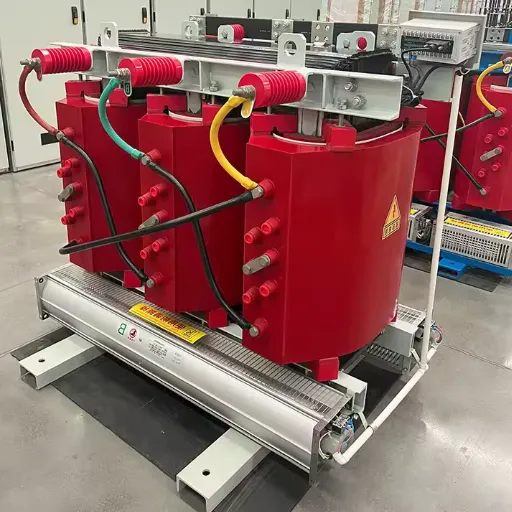
What is a Transformer?
The transformer transmits electrical power between multiple circuits through its ability to create inductive magnetic fields. The device operates according to Faraday’s law of electromagnetic induction through its two main components, called primary and secondary windings, that typically encircle a magnetic core. Transformers enable simultaneous voltage transformation because they can either increase or decrease voltage levels while maintaining constant electrical frequency, which enables efficient power distribution across vast distances and specific voltage needs.
The utility grid depends on power transformers, while distribution transformers deliver energy to local areas, and autotransformers and instrument transformers function as specialized equipment. The technology serves vital functions across industrial sectors and residential areas, and various technological systems to maintain safe and effective electrical system operations.
Importance of Transformer Selection
The selection process for finding the right transformer needs to be done correctly because it controls all three factors that determine the system’s energy efficiency, its reliability, and operation costs. According to recent studies, transformers account for 40 percent of the world’s electricity distribution and transmission losses, which requires engineers to focus on improving their energy efficiency during the design and selection process. DOE TP-1 and EU EcoDesign standards provide certification to high-efficiency transformers that achieve 20-30% loss reduction when compared to standard transformers that deliver energy savings and financial benefits throughout their operational period.
The industrial sector requires businesses to measure transformer capacity in kilovolt-amperes (kVA) to confirm the transformer can sustain its full operational load without experiencing heat problems or performance issues. Distribution transformers function most efficiently when they operate between 50 percent and 70 percent of their total capacity. Amorphous core transformers have become popular in industrial applications because they meet strict sustainability requirements by using materials that decrease energy losses during their functioning.
The assessment requires the evaluation of environmental conditions along with both oil-cooled and dry-type cooling systems and voltage specifications. The operation of modern smart transformers requires their ability to integrate IoT technology, which allows users to monitor essential operational health data and performance metrics that help them discover potential problems and extend equipment life. The method requires detailed transformer selection procedures because they enable organizations to maintain operational efficiency while protecting environmental resources throughout their operational lifespan.
Overview of Transformer Types
Manufacturers produce several transformer types to fulfill various operational needs and specific operational needs. The primary transformer types include power transformers, distribution transformers, isolation transformers, and autotransformers. Power transformers function within high-voltage transmission systems to transform transmission voltages into lower and higher voltage levels, which permit efficient power distribution. Distribution transformers deliver suitable voltage levels to end users who operate within residential, commercial, and industrial environments.
Isolation transformers establish electrical barriers between separate circuits, which enables safe operation of their circuits while protecting sensitive equipment from electrical surges. Autotransformers operate with their single winding system, which connects both their input and output terminals, thus making them more cost-effective than traditional transformers.
The current online trends show that modern transformer technology now includes IoT-based monitoring systems, which enable advanced features. The system enables real-time performance monitoring while predicting maintenance needs and improving energy efficiency. The increasing need for renewable energy systems has created a demand for dedicated transformers, which encompass solar transformers and wind transformers that can handle fluctuating power output from renewable systems. The transformer selection process allows organizations to identify their optimal transformer solution, which matches their unique operational needs.
Understanding Dry Type Transformers
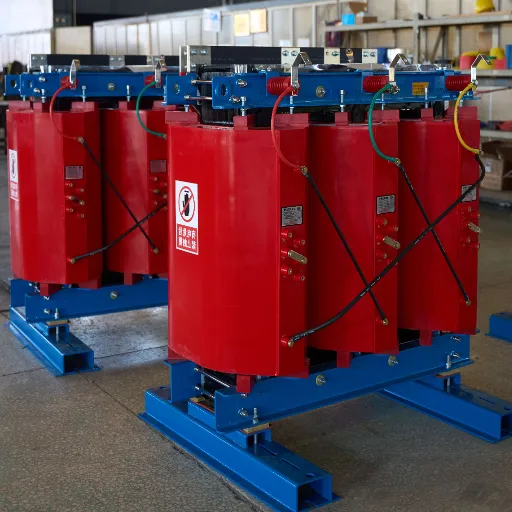
Construction of Dry Type Transformers
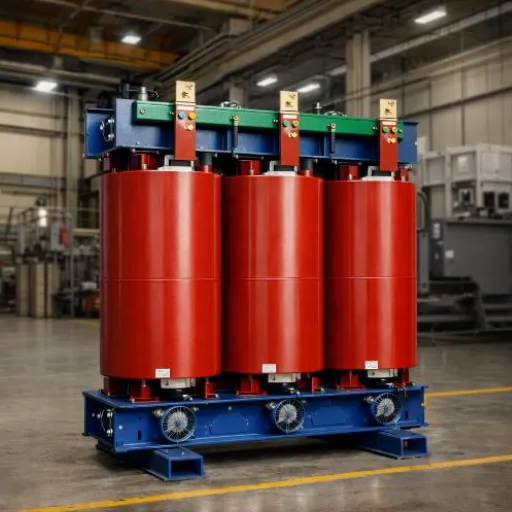
Dry type transformers operate without liquid insulation because their design uses air as the primary cooling method. The system provides fire safety protection, which makes it ideal for use in hospitals, schools, and chemical plants. The transformers use high-quality insulation materials that can endure extreme heat conditions. The transformers use cast resin and vacuum pressure impregnated (VPI) technology to protect their windings, which provides them with strong defense against moisture, dust, and other harmful substances.
Modern innovations that develop advanced transformer technology now enhance the efficiency and reliability of dry type transformers. The latest data shows that dry-type transformers reach their maximum efficiency at 98.5%, which decreases energy losses during their operational period. The new thermal management system improvements enable these transformers to function at temperatures up to 220°C, which allows them to work effectively in difficult environmental conditions. The equipment provides a cost-effective solution for various industrial uses because it operates between 25 and 30 years, which equals an extended functional lifespan.
Cooling Methods in Dry Type Transformers
The two main cooling systems of dry type transformers enable them to handle their heat discharge needs through natural air cooling and forced air cooling systems.
- Natural Air Cooling (AN): This system uses no mechanical systems to operate because it depends on outdoor air movement to provide unit cooling. It proves useful for requirements that demand minimal power consumption while maintaining silent operation throughout their complete working period. According to industry standards, transformers with natural air cooling tend to have a lower capacity due to the limited heat dissipation capabilities.
- Forced Air Cooling (AF): The system uses forced air cooling to achieve higher load capabilities because it uses fans and blowers to move air across the surface area of transformers. The normal power load of modern air cooling systems reaches 50 percent capacity during operation. Modern forced air cooling systems use sophisticated sensors together with automatic control systems to manage their cooling operations while ensuring equipment stays within its proper temperature range.
The research results demonstrate that smart cooling systems lead to better energy efficiency because some system designs achieve a 15 percent lower energy use compared to conventional methods. The advanced systems function in industrial settings, which require maximum productivity because they protect transformers from damage while keeping them operational.
Insulation Techniques Used
Modern transformers need current insulation techniques because these techniques enable them to reach their required operational standards while safeguarding their equipment from damage and extending their operational life. The standard method uses top-quality solid insulation materials, which include cellulose-based paper and pressboard, because these materials provide better dielectric strength during high-temperature operations. The system depends on liquid insulation solutions, which include mineral oil and synthetic esters, to provide essential cooling functions while preserving dielectric system properties.
The present research field studies thermally enhanced paper products together with environmentally safe biodegradable insulating fluids, which provide better performance under extreme operational conditions. Industry reports show that using biodegradable esters as transformer oil leads to a 25% lifespan increase for transformers while decreasing environmental damage from oil spills.
Insulation systems are now designed to withstand higher load capacities because of increasing energy consumption patterns. High-voltage transformers now use advanced resin-based technologies, which include epoxy resin to enhance their protection against short-circuit forces and moisture penetration. The research shows that these technological advancements have enhanced insulation performance by 20% while decreasing maintenance expenses and extending time between service needs when compared to standard systems.
Exploring Oil Immersed Transformers
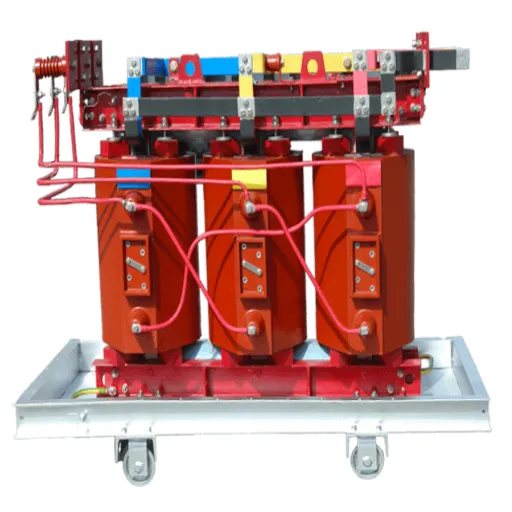
Construction of Oil Immersed Transformers
The power distribution networks require oil-immersed transformers because these transformers serve as essential components that enable them to supply high electrical load demands. Transformers use a core construction method that employs silicon steel laminations to achieve energy efficiency through reduced eddy current and hysteresis losses. Copper and aluminum serve as the primary materials for windings, which use cellulose paper insulation to protect their high voltage capabilities.
Transformers use their tank space to store highly refined mineral oil and biodegradable synthetic oil for both cooling purposes and insulation needs. The oil functions as a coolant and dielectric medium because it removes operational heat while providing strong electrical insulation protection. The design of the outer tank typically includes radiators or cooling fins, which help to transfer heat between the tank and its external surroundings.
The latest technological advancements bring new functionalities, including on-load tap changers for voltage regulation and hermetically sealed tank designs, which protect against oil contamination and oxidation. The modern monitoring systems, which operate together with new technological solutions, create advantages that result in better operational efficiency, increased safety measures, and decreased expenses for equipment upkeep. Research findings from recent data demonstrate that transformers that operate with upgraded oil characteristics maintain their internal temperature at 15% lower than standard levels, which helps to prolong the operational life of their components.
Cooling Methods in Oil Immersed Transformers
Oil-immersed transformers require multiple cooling methods to maintain their operational temperature within acceptable limits. The three primary cooling techniques used in this process are Natural Oil Air Cooling (ONA/ONAN), Forced Oil Air Cooling (OFAF), and Forced Oil Water Cooling (OFWF). The selection of a particular method depends on two factors, which include the capacity of the transformer and its required operational performance.
- Natural Oil Air Cooling (ONA/ONAN): The simplest method uses natural oil circulation to remove heat from the transformer, which gets released through radiators that contact outside air. This technique operates best with smaller transformer units.
- Forced Oil Air Cooling (OFAF): This method uses oil pumps to create better insulating oil circulation while air fans improve cooling performance by pushing air across the cooling radiators. This system works best with medium and large-sized transformers that require advanced heat removal systems.
- Forced Oil Water Cooling (OFWF): The system uses oil pumps and water-cooled heat exchangers to transfer heat between the two systems, which power high-capacity transformers. The oil transfers heat to the water, which is then cooled and recirculated. This system operates best in industrial environments that require heavy-duty performance and have limited space for air-based cooling solutions.
The combination of advanced cooling systems with precise monitoring systems enables improved transformer efficiency according to data obtained from recent research studies. The latest research results show that upgraded cooling systems have achieved a 20 percent improvement in heat dissipation efficiency, which results in better operational performance and longer-lasting components.
Insulation and Safety Feature
Transformers need top-notch insulation together with cutting-edge safety systems to achieve their full operational lifespan and dependable performance. The most recent research findings show that modern insulation materials, which include thermally upgraded paper and epoxy resin systems, provide transformers with better dielectric strength, which results in decreased electrical fault occurrences. Insulation systems function as the main component that reduces energy waste while delivering stable performance during extreme operational conditions.
The incorporation of safety features together with advanced monitoring technologies, which include real-time sensor systems, pressure relief devices, and thermal protection systems, results in significant improvements to operational safety. The data shows that transformers with these safety features experience reduced chances of severe breakdowns, which leads to increased system reliability and better protection for workers. The implementation of these technological advancements enables transformers to meet and frequently surpass established safety requirements that they need to operate on contemporary electrical power systems.
Comparative Analysis of Dry Type and Oil Immersed Transformers
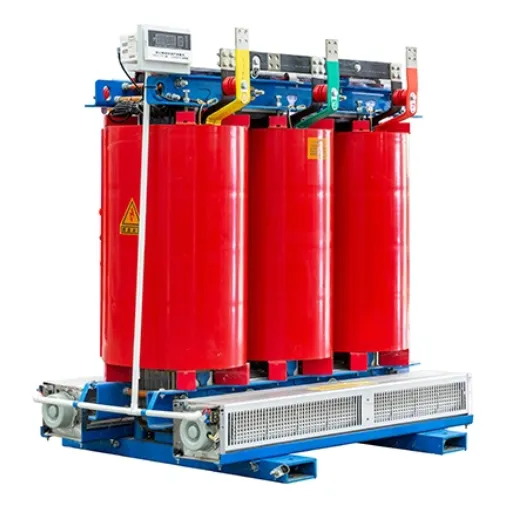
Efficiency and Performance Comparison
Dry type transformers and oil immersed transformers show different efficiency and performance characteristics because their operational properties create distinct performance patterns. Oil immersed transformers achieve higher efficiency ratings because their oil-based cooling system provides better thermal conduction, which allows them to surpass 98% efficiency. The system establishes optimal cooling conditions, which enable the system to operate with minimal energy waste. The efficiency of dry type transformers operates between 95% and 98% because they use non-flammable materials, which makes their operation in indoor spaces and fire risk zones safe.
Recent studies demonstrate that oil immersed transformers operate better in high-capacity settings, which exist in substations and large industrial applications. The systems demonstrate better performance during power surges while they maintain stable operation during various operational changes. Dry type transformers require less energy for operation than standard transformers because they do not contain oil, which results in lower cleaning requirements and environmental benefits. The installation of epoxy resin encapsulation helps the machines operate at reduced sound levels, which makes them suitable for spaces that require noise control.
The life expectancy of oil-immersed transformers reaches 30 to 40 years because proper maintenance helps extend their operational time. The typical operational period for dry type transformers lasts 20 to 25 years, but new materials such as cast resin have shown that they can achieve improved durability through recent technological advancements.
Cost Analysis: Initial and Maintenance Costs
The assessment of transformer expenses necessitates evaluation of both their initial costs and their future maintenance requirements. The cost of purchasing oil-immersed transformers is lower than the cost of buying dry-type transformers, which have the same power capacity. According to recent industry data, an oil-immersed transformer costs approximately $10,000 to $30,000 based on its size and specifications, while a comparable dry-type transformer starts at approximately $15,000 and can reach over $50,000 when featuring advanced specifications or greater capacity.
The expenses for maintenance work show substantial differences between the two procedures. The operation of oil-immersed transformers requires maintenance work, which includes both oil testing and oil replacement and spill response tasks that result in annual costs ranging from $500 to $2,000, depending on how the equipment is used and where the facility is situated. The maintenance requirements for dry-type transformers remain extremely low because they need almost no maintenance work. The system design needs no oil management activities, so annual maintenance expenses decrease to between $200 and $500, which now only covers periodic inspections and cleaning operations.
Dry-type transformers require higher initial expenses, but during their operational life, they provide cost savings through maintenance reduction, and they decrease environmental hazards, which makes them more economical for civilian areas and locations that need environmental protection. Project budgets need to be matched with operational requirements through a thorough evaluation of these factors.
Safety Considerations for Each Type
The evaluation of safety between oil-filled transformers and dry-type transformers depends on their operating Environment and application needs, and the environmental conditions that exist around them. The insulating oil used in oil-filled transformers creates a safety hazard because it can ignite and cause fires. The current data shows that fire incidents involving oil-filled transformers lead to expensive repairs and create dangerous conditions that affect populated areas. The project’s total expenses will increase because fire suppression systems and leak containment structures will reduce specific risks, which serve as safety improvements.
Dry-type transformers provide better protection to people who operate equipment in public spaces and inside buildings. The system uses solid insulation, which eliminates fire hazards and prevents any leakage of materials into the environment. The latest industry statistics show that dry-type transformers are now recommended for indoor applications with fire resistance ratings that meet modern building codes. The development of new technologies has resulted in more effective cooling systems, which help operate equipment safely during periods of high demand.
The project needs to assess its particular safety requirements through its specific project requirements while using existing safety regulations to evaluate its potential risks and maintain its operational procedures.
Application Suitability
Best Applications for Dry Type Transformers
Dry type transformers operate as industrial equipment that brings both operational dependability and environmental safety features, which enable their use across different industrial settings. The system operates best in indoor environments because it protects areas that need to follow strict fire safety requirements with its non-flammable liquid design. The report shows that dry type transformer installations target commercial buildings and hospitals, data centers, and educational institutions because of their fire safety features and need for minimal upkeep.
The global dry type transformer market has entered a period of steady growth, according to recent data, which predicts a compound annual growth rate (CAGR) of 6.1% between 2023 and 2030. The current expansion process receives support from rising energy consumption and the development of environmentally friendly power technologies. Dry type transformers function as essential components in urban power distribution systems because they deliver silent and efficient performance within small operational spaces.
Renewable energy projects rely on the system as it handles essential tasks through its operation in wind and solar farms that need equipment that can endure severe weather conditions. The use of cast resin dry-type transformers leads to better energy efficiency because it reduces power losses, which supports current energy policies that aim to improve environmental sustainability.
Best Applications for Oil Immersed Transformers
Industrial applications and power distribution systems find their optimal solution in oil-immersed transformers because these transformers deliver superior cooling capabilities and can handle heavy power demands. The transformers operate with mineral oil and synthetic materials, which serve as insulation and cooling solutions to deliver consistent performance throughout their extended use.
Oil-immersed transformers enable the management of high voltage and high power operations as their primary advantage. The components function as vital elements in power generation stations and substations and long-distance power transmission networks. Current data shows that oil-immersed transformers function effectively at voltages exceeding 400 kV, which enables their use in extensive power transmission throughout large areas.
Oil-immersed transformers maintain their operational abilities for longer periods than other existing technologies. Industrial projects achieve cost-efficient power solutions through proper maintenance because transformers operate for 30 years or more. Modern cooling system designs improve thermal stress reduction according to recent research, which results in longer product lifespans.
The development of biodegradable oils by manufacturers creates environmentally friendly solutions that address the environmental problems linked to oil spills and fire hazards. The advancements work to achieve efficient systems that also meet sustainability requirements, which help industries comply with global energy regulations that demand dependable operations and environmentally friendly practices.
Choosing Based on Voltage Requirements
The equipment selection process requires testing voltage needs together with specific application requirements and current system operating conditions. The electrical system divides voltage into three primary categories, which include low voltage (LV), medium voltage (MV), and high voltage (HV). The low-voltage system operates at voltages below 1,000 volts, which supports power distribution needs for both residential and commercial spaces. Industrial facilities use medium voltage systems, which operate between 1,000 and 35,000 volts to power their equipment and distribute electricity. High-voltage systems enable power companies to transmit electricity over vast distances through their operation at voltages above 35,000 volts.
The latest industry research shows that medium voltage and high voltage systems display improved energy efficiency results. The worldwide energy efficiency drive for transformers has resulted in the development of amorphous core transformers, which achieve 70 percent energy loss reduction when compared to standard silicon steel designs. The new switchgear technology uses SF6 gas alternatives as insulating materials, which helps to lower greenhouse gas emissions.
The 2023 International Energy Agency (IEA) report states that industrial networks will achieve 500 terawatt-hour (TWh) energy savings through voltage equipment efficiency improvements, which will take effect by 2030. Organizations need voltage specifications and efficiency standards because these two elements function as essential components that help them reach their energy sustainability targets.
Reference Sources
-
Ken Research – US Dry Type Transformer Market Outlook to 2030
This report provides insights into the target audience, market trends, and growth drivers for dry type transformers. It highlights the role of electricity distribution companies and other entities benefiting from these transformers.
Source Link -
Prophecy Market Insights – Global Dry Type Transformer Market
This research discusses the drivers and restraints of the global dry type transformer market, emphasizing the increasing demand for electricity and its impact on the market’s growth.
Source Link
Frequently Asked Questions (FAQs)
What are the key differences between dry type and oil immersed transformers?
Dry type transformers operate their cooling system through the use of air. The cooling and insulation requirements of oil-immersed transformers depend on their use of insulating oil. Dry-type transformers can be installed indoors because their design eliminates the usage of flammable oil which also protects fire-sensitive areas. Outdoor environments enable oil-immersed transformers to achieve better efficiency and durability because they withstand extreme weather conditions and heavy operational requirements.
Which factors should be considered when selecting between dry type and oil immersed transformers?
The transformer selection process requires four assessment procedures, which start with application environment evaluation and load requirement assessment and end with maintenance preference determination and safety regulation assessment. Dry-type transformers provide indoor space safety advantages because they create reduced fire risks, which makes them appropriate for use in both commercial and residential buildings. Oil-immersed transformers provide superior operating performance, which allows industrial and utility networks to operate better in outdoor conditions because these transformers can handle higher power loads while maintaining their ideal temperature range through their advanced heat management systems.
How does maintenance differ between the two types of transformers?
The maintenance requirements for dry-type transformers differ from those of oil-immersed transformers. The absence of oil in dry type transformers enables their operators to perform maintenance work because oil sampling and leak detection work do not exist. The oil testing process for oil-immersed transformers occurs at scheduled intervals to assess their insulation and cooling capabilities while also identifying any potential contamination. The maintenance of oil-immersed transformers demands additional resources because their operational performance requires extra work to maintain.
Are dry type transformers more environmentally friendly than oil-immersed transformers?
Transformers that use dry type technology display better environmental performance than oil transformers because their design prevents any possibility of oil spills, which would create environmental contamination danger. This makes them ideal for eco-sensitive areas. The introduction of biodegradable oils and less damaging oils has increased the environmental safety of oil-immersed transformers. The final decision requires assessment of both specific application requirements and ecological risk reduction requirements.
What are the typical lifecycle costs associated with each transformer type?
The total costs of a transformer from its acquisition to its complete usage cycle include all expenses. The initial price of dry-type transformers exceeds their initial cost, but they require less maintenance throughout their operational life. The initial cost of oil-immersed transformers provides immediate savings to users, but their oil system maintenance expenses will accumulate throughout the equipment’s operational life. The selection process can be determined through evaluating the total cost of ownership together with the expected performance of the products.
Which transformer type is better suited for industrial networks?
Oil-immersed transformers serve as the primary choice for industrial networks because they can manage both high voltage and heavy loads which large-scale operations require. The system operates with better performance when it needs to handle large power requirements. Industrial facilities should use dry-type transformers because these transformers offer safety features which decrease fire risks and protect the environment.