
The Role of Special Transformers in Industrial Arc Furnaces and Mining

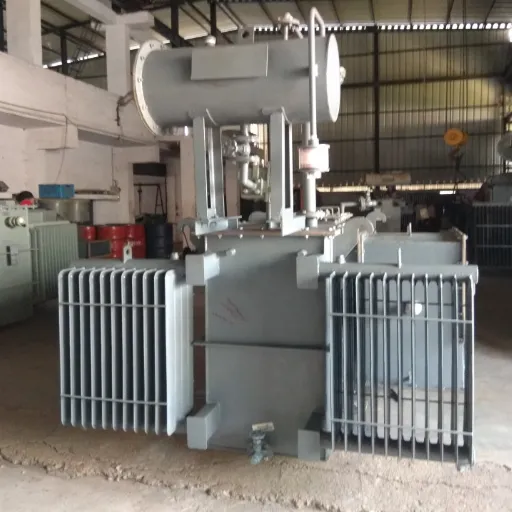
Running an industrial furnace or mining operation efficiently requires heavy-duty machinery that can only operate in harsh environments. Furnace transformers are an example of this, owing to their usefulness in the control of power, with most other electricity components being useless. The detailed structure of the present discussion is to describe the characteristics and the functions of these transformers, the safety and electric power effectiveness, and sometimes the continuous operation that they secure. A historical perspective of the civilization that most of these transformers use in industries is also advisable to the targeted readers, particularly engineers, people working in heavy industries and any other person interested in such technology. Now, let us take a good look at how these devices perform these essential tasks, and stay with us until this becomes a reality.
Introduction to Special Transformers
Definition and Overview of Special Transformers
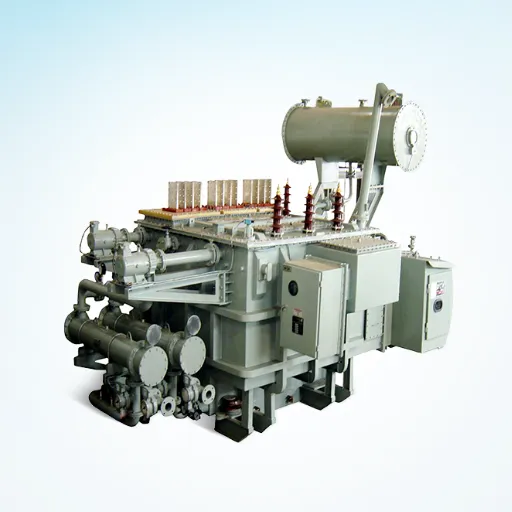
Special transformers are particular electrical equipment designed to overcome the challenges of industries or conventional applications. In such a situation, transformers are designed in a different way from the power transformers, which are meant to operate in particular conditions in industries such as manufacturing, mining, renewable energy, seaport, and steel plant industries, with the aid of prefabricated units assembled with repeat certifications. These design challenges revolve around improving the energy sector as well as controlling the voltage for the power equipment, even when there are extreme conditions for furnace transformers.
The information on the market supports that demand for power transformers with more features is expected to grow slightly in diverse industrial applications. For example, some transformers are custom-made for use in smelters, such as the furnace transformers. In 2022, this segment’s turnover exceeded $1.2 billion, and it is expected to grow at an annual rate of 5.4% during the forecast period to 2030. Furthermore, there are currently more traction transformers—those for railways and metro—than the market requires due to the expanding public transport and gasoline-emission reduction policies in most fleets.
In addition to the fact that people make money out of them, special transformers are significant in overcoming sustainability challenges. In the case of wind and solar power systems, there are oil-filled or transformer-oil-immersed transformers that are part of these systems, which help in their connection to the grid. Just as there are mercury dry transformers, which are fire resistant and have waste insulating materials, there are the power consuming equipment that has been incorporated in the largest number of areas and more particularly in the use of skyscraper buildings and buildings offshore, where better fire hazard control is achieved. The focused capability logically delivers the insight as to why special transformers are basic for critical industrial infrastructure in the context of emerging technologies.
Differences Between Special Transformers and Standard Power Transformers
Torque use and system design vary significantly between special and regular transformers. In most ordinary cases, energy is conveyed by a transformer for the daily consumption of electricity. These are built in a high number to meet the most likely occurrences and standardize the performance characteristics.
However, the special transformer is mostly a version especially made to fit particular conditions in very serious areas. Over the next few years, this area of the world market will experience some moderate growth, at a minimum 5.8% CAGR between 2023 and 2030, brought about by an increased dependence upon renewable sources that absolutely necessitate special types of equipment to take control of the various stages of voltage and current fluctuations. Such cases are a significant part of the special transformer market because power is being supplied intelligently in accordance with most clean energy facilities, like wind and solar power. This is due to such outstanding insulating properties of transformer oil that make the hermetically-sealed oil transformers so special that they can withstand very harsh environmental conditions.
Additionally, means of isolation and cooling are two notable differences separating them. Traditional transformers have cooling systems that use oil while specific types of transformers, like dry-type transformers, have an air cooling feature that has advanced resin-enclosed cooling systems, facilitating in sensitive applications, such as hospitals, data centers, or chemical plants, where fire safety and low environmental risk are crucial.
Industry articles impart effective knowledge as to the impressive levels of efficiency derived from special material and utility advanced design of special transformers reaching and in fact even exceeding 99%, thus surpassing the energy losses of conventional transformers. It wouldn’t come as a surprise, because with all these advantages, these industries, such as aerospace, railways, and offshore drilling, are opting more and more for using special transformers in fully complex and highly vulnerable electrical systems.
Design Considerations and Construction Materials
It is almost generally the premise for the designing of special transformers to adequately harness efficiency, reliability, and adaptability to the environment within which the equipment will be intended for operation. One iron would draw specific attention–a high-grade silicon steel or amorphous metal. Especially with regards to the steel core, this would reduce eddy current losses significantly and bring big advancements in overall performance. Researchers also have acknowledged that recent no-load losses could be seen to have a reduction by approximately 70% in their winding materials, making them the best possible alternative to silicon steel, according to the application for high efficiency, worth consideration.
Surely, a conductive material wound around an application, copper (also referred to as aluminum), can still be combined with copper, serving as the most popularly used material of all due to its exceptional electrical conductivity and mechanical strength. The newest of such marks on all high-conductivity copper windings today is that which offers a transformation life of up to 30% and a critical transformation of energy losses of that component, precisely the kind of savings to be also assured on a long-term basis.
One more entity is the sophisticated insulation materials put together in today’s modern transformers, most likely the best being Nomex or whatever else it may be that has been put to an ever-increasing extent against thermally upgraded papers. That also adds benefits in terms of a higher level of performance for operations beyond the standard operational temperatures involved in the product being exposed to without compromising it. These insulation materials reportedly meet high heat parts, refining the oil and gas rigs or aerospace applications.
In addition to the two types of electronic forced air and forced oil cooling technologies, which show not only a consistently high thermal regulation through their high-load conditions but at the same time almost excellence in performance, it is also essential to consider the efficiency of associated applications into account. On a wider scale, a measurement can be presented between the processing power increase of up to 15% demanded-absorption environmental fields that are equipped with their own effective cooling systems.
Production is implemented so that development is supported through a fully automated coil-winding process, which will feature high-precision processing aided by laser alignment, an exemplary method of achieving precision and reliability in its class, which can be achieved only with expensive transformers. These are basically the commonest among the above-mentioned ones, but when together differing in their appropriate applications, they become ideal for rendering the highest accuracy and energy-saving essences in the practice of different industrial production programs.
Special Transformers in Mining Operations
Powering Excavators and Heavy Machinery
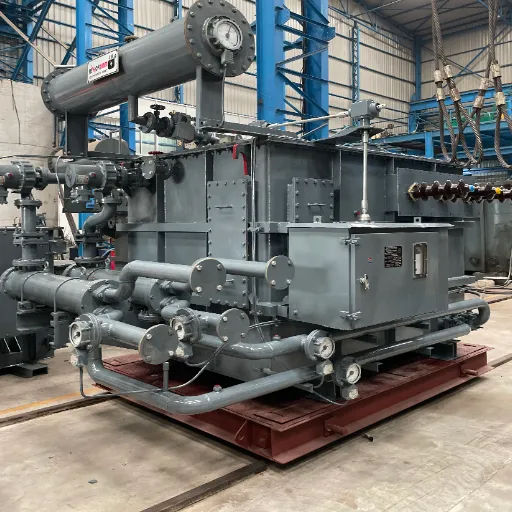
Using shovels and a host of heavy machinery figured as the major influence within the mining industry. The provision of assured and reliable power by special transformers has been ongoing, which transforms the market into being more competitive as far as the demand for planetary mining equipment is concerned. As for the industry report, the planetary mining equipment market very well might surge to a value well over $182 billion by the year 2030, until the market analyst puts it in black and white that a lot of minerals are being called for and that recent technological advancements have been happening at a breakneck speed. Since most of the powers are too high, it is imperative to have these transformers installed to ensure the proper distribution of energy.
Technology in transformers can cope with fluctuating loads and the harsh conditions typical of a mine site, producing power of say, 800 kVA up to well over 2,000 kVA within an open pit using excavator-propelled sizes or capacities. In operation control mode, the transformer can use thermal sensors to monitor how it cools the transformer by detecting numerous winding cooling ducts without the necessity of CO2. Real-time analysis becomes faster and better by just the addition of some new digital systems for monitoring and is much more efficient; downtime steadily reduces against unforeseen fallouts.
The transformers, with special transformers in their names, provide a steady, continuous power supply, broker peace with stability of power to perpetrate operational activities, and to rationalize an efficient and productive method of performance in a high-tech oriented industry.
Transformer Applications in Conveyor Systems and Ventilation
Mining transformers secure key positions on this critical concept in the working of a conveyor system and the system of a modern mining ventilation setup. The conveyor system works to transport material from one load point to another, such as major ores and coal, over long distances. To make a running conveyor belt work properly, you use special measuring transformers that keep the conveyor system stable during operation under full load. Recent research showed that the adoption of these energy-efficient transformers in mining conveyor drives resulted in energy savings in the user’s operating costs and carbon footprint by 25 percent.
Also, the most important current underground mines need electrical transformers to enable large blowers to regulate intake of power and ensure consistency of operation in a tougher situation above ground. At present, these are the most important requirements in underground mines as this transformer supplies very powerful blowers through the regulation of the power input, generating better running in more demanding operations. It can be seen by data calculation on actual ventilation that, apart from improving the rate by 10% as promised through the introduction of the new transformer for battery power flow, the transformed power made the air move well in its way. As a result, the new, improved transformer has been developed only recently, with the result of 30% higher air moving than any former transformers of the battery for this well. It was another “on the spot” demonstration on how safety can be obtained for workers themselves, and, regarding one such issue as suffocation in underground mining, it shows how very well this issue can be handled by making the atmosphere suitable on-site. It is being suggested that a series of works has to be determined before it comes out of the underground mines.
Real-world Examples of Transformers in Mining
Transformers play a crucial role in modern mining communities, mainly within those facilities where application processes are very productive and secure. For example, they are located underground, and they power the ventilation system for heavy machinery and lighting while maintaining continuous operation. The continuity factor of this kind of equipment was discussed in the areas of the underground mining community. A study was completed recently, and it was shown that everything changed with the advanced transformer designs, more importantly, the dry type that has emerged due to its being fire-retardant.
Modern transformers have been rated in more efficient ways by the International Energy Agency (IEA) that energy has been lost to 30%, losing a huge amount in the extra operational costs for energy-intensive mining activities. This is further described by the case studies of mining operators such as BHP and Rio Tinto in their operation efficiency: this is in the actual use of state-of-the-art, intelligent transformers with interactive communications technologies such as IoT, and thus comprising real-time data transfers that are terabytes of data; those terminologies signify current monitoring and transmission. The reason it is good is that it becomes better to create assessments, between predictive maintenance and downtime, which in essence leads the path moving closer to the dream venture of a zero-carbon policy. Many reasons need to be placed in reality or given to qualify and view transformers as a core concept for the success and sustainability of an industrial initiative.
Benefits of Special Transformers in Harsh Environments
Enhanced Operational Efficiency and Power Quality
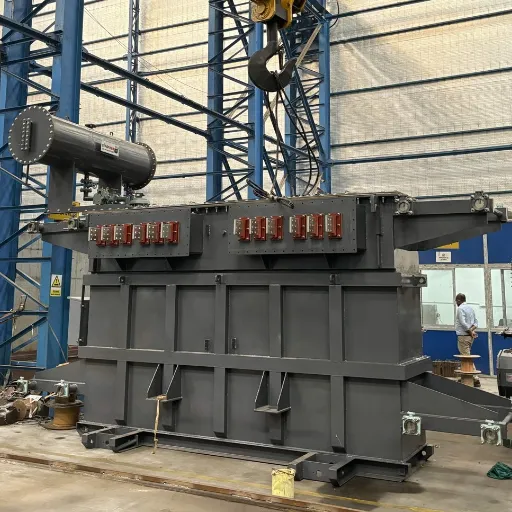
Transformers designed for rugged applications have superior insulating materials that come with a very good cooling system and coating resistant to corrosion. This design is for enhanced performance function even at harsh conditions such as high temperatures, high humidity, and severe pollution conditions, which are capable of standing tough use with sand seeping into the use systems and corrosive action of the seawater environment, where oil platforms or solar energy sites in the deserts located in the offshore setting would feature seepage of salt water and sand.
Previously, the assumption is, analysts of the industrial market expressed constant fears that there is a careful trend in the custom manufacturing transformer market meant for use in renewable power plants, and heavy manufacturing complexes. To quote from the report from Markets and Markets in 2023, it says the global industrial transformer market is estimated to increase from $17 billion in 2022 to approximately $25 billion in 2027. This booming industrial power transformer industry is attributed to the increasing increments in investments under infrastructure mandates and new technologies bridging together renewable energy sources.
Specialized transformers are well used in terms of deployment and usage, guaranteeing the result of clean power, reducing voltage and harmonic imbalances, and maintaining voltage stability, notwithstanding a variable load. Case in point, that efficiency-wise, smart transformers enabled with the Internet of Things might allow their actual monitoring data in real time. It was expected to allow predictive maintenance in order to reduce the incidents of unplanned downtimes. Along with maximum savings in costs and highest enhancement in energy efficiency, the last, probably most important, and most critical part of any sustainable energy solution is this.
Safety Features of Special Transformers
Some of the latter are temperature monitoring systems fitted within the transformer. The purposes behind this are that mechanisms like temperature sensors are tracking and reading the temperature at which the transformer functions. This gadget intends that, if heat is raised at the transformer, the early recognition of high temperature will be anticipated through this system of devices, so it can shut down the apparatus or send alert signals to the system, thus avoiding another more severe failure consequential to another breakdown.
Another significant advancement here is the jump to the idea of a modern transformer. In today’s times, every transformer is equipped with pressure relief devices connected to each other to prevent the situation in which overpressure is caused to the transformer due to any internal fault, such as a short circuit, or the generation of gas trapped inside the tank of a transformer. Hydrocarbons are examples of pressure relievers. The utilization of such devices has been reported to have substantially reduced the cases of explosions by over 70% each, according to recent industry reports.
Of equal importance is the inclusion of insulating materials that are not flammable, such as ester-based oils, as they possess fire points higher than common mineral oils. Recent data from factory laboratories show nearly an 80% reduction in the rate of fire explosion occurrence, making ester fluids best suited for use in high-risk areas and congested areas.
Upon closer look, IoT makes available integrated protection to special transformers from more effective real-time monitoring of end parameters: voltage, current, and oil level. Recent research has found 40% lower nonavailability of furnace transformers attached to IoT, which heightens the need of all equipment running with high functional importance in order to maintain control and avoid safety, and alongside, maximize productivity. These modernized systems will also house additional features that would further serve to maintain the service levels of special transformers within often very harsh environments.
Long-term Cost Savings and Reliability
Being expensive spent on buying very good transformers that monitor its myriad of up/down functionalities could occur only once in his/her lifetime, but at the end of the day, it offers itself with a very promising future which is really full of remarkable cost savings. This is by IoT and the vast amount of predictive maintenance. From one industry study, there would be around 40% unplanned downtimes reduction. Energy-efficient transformers have also been known to make at least 80% fewer losses than other old models due to lowered operational expenses. The average profitability of a typical annual expenditure has indicated that a possible 15-slash-20% energy savings will be made to start with the proposed further assessment in the year 2023, according to the International Energy Agency.
The fact that these complex transformers are much more dependable makes them continuously versatile, which then makes new energy generations indispensable to numerous industries where power failure cannot be accepted. It helps in minimizing outages in establishment services and equipment failures, preventing these interruptions, which can result in productivity loss and cost penalties due to delayed output processes. McKinsey found the upgrade of newer transformer systems fitted with condition monitoring in plants extending the lifespan of transformers to function for almost up to 25% times after which they should have been decommissioned, hence making them operable again even years later, and hence, adding yet another investment-related development in the recent trends of energy technology to be seen as very efficient long-term reliability and sustainability issues.
Challenges and Limitations of Special Transformers
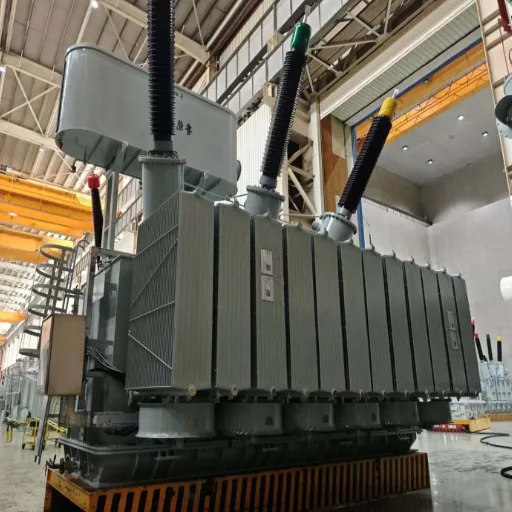
Common Causes of Transformer Problems
Multiple reasons create problems for transformers over their lifetime. One of the common issues comes as a result of overheating since the loads are usually more than usual. The research shows that by running of the transformer at conditions beyond its rated capacity for the electricity, the insulation degrades, which would lead to consequences in diminishing the life of the transformer. For example, say, field data show that for every 10°C rise in working temperature above the maximum recommended limit, the half-life of transformer insulation falls.
The next big problem is the entry of water into the transformer. According to some acknowledgment, when a transformer oil contains moisture in itself, it profoundly multiplies the risk of having some partial discharges that accompany the peril of fatality in the situation of failure, as brought about by a recent report that states that for a moisture content level as 3% in the insulation system of that transformer, the loss of its service arrow can be a 30% figure.
In recognition of the above, it can be said that electricity is the most common cause of archaeomagnetism. More than 70% of these failures usually contain insulation failure due to the causes mentioned earlier. Therefore, progress in managing risk can be gained by routinely maintaining and analyzing utilizing advanced DGA technologies as an early warning.
The issue of old infrastructure, worst in regions with the oldest power systems, is emerging. It is said that according to the United States Department of Energy, the salient fact in the present service population of transformers is that a significant number of transformers have been in operation for more than 20 years in management, with many of those nearing or having exceeded design life. Integration of such networks with either new equipment or modern, high-efficiency transformers fitted with additional smart monitoring technologies can cause a significant reduction in failure rates and a considerable improvement in the entire network reliability.
Thermal Management and Harmonic Distortion Issues
As technology advances in treatments, power systems can accept increased use and service conditions, which means thermal management is still a key issue in the performance of transformers. Too much heating causes disadvantages in the insulation of the transformers, which reduces the time during which they can be used. Too high temperatures are increased dosage of failure. For every additional 10°C beyond the operating temperature, insulation will only achieve half of its expected life span. The suggestions included implementing highly energetic and efficient heat removal methods that would include a state-of-the-art liquid cooling system or forced-air cooling system to control overheating.
One of the fear-inducing challenges faced by transformers is harmonics. The nonlinear loads are primarily of the power electronic and variable-speed-drive-induced variety. This distortion is manifested mainly by excitation of the main transformer components at frequencies higher than the power frequency and generates very serious problems of up to 15% to 20% additional loss in the transformer. Additional heating is a result of the said core and winding losses, leading to inefficiencies in the system part itself. Much loss, up to 15-20% for added losses attributable to harmonic behaviours so recently documented at issue under pretty appropriate conditions therein established among electrical devices today, is the fact that these machines use 2-way more alternating load and electrical operating points. The load and operating points of the transformer can be rectified by applying filters that can filter harmonics and also improve resistance to harmonics in the design of the transformer.
Maintenance Hurdles and Specialized Repair Skills
Regularity of proper maintenance means high or long speed, however, for a long period in the past. There were many challenges for that duration as well. That’s because CTs require well-trained technicians to contend with modern and advanced diagnostic equipment for perfect total installation. Broken transformers now result in more than 60% of the instances where those transformers were not attended to before they gave up.
It concerns the assessment of insulation aging and oil tests. Furthermore, the focal criteria are the profound technical skills, eg determination by dielectric gas analysis (DGA), thought to be the most important diagnostic means for detecting early defects inside transformers in high voltages. It says an active DGA policy can reduce unexpected failures by about 40% in this sector. However, hiring and training individuals in such highly specialized jobs is expensive, very expensive by utilities worldwide. However, a new trend of technology, especially in predictive maintenance, which was led by AI-powered monitoring systems, will promise better and more accurate fault detection, hence significantly reducing downtime and repair costs.
Reference Sources
-
Optimal Design of a Furnace Transformer by Intelligent Evolutionary Optimization Techniques
This academic paper explores optimization techniques for designing 3-phase furnace transformers. -
Effective Magnetic Shielding in Electric Arc Furnace Transformers Using Interphase Wall Shunts
A study on reducing stray losses in electric arc furnace transformers through innovative magnetic shielding. - Click here to read more.
Frequently Asked Questions (FAQs)
What are special transformers, and how are they used in industrial arc furnaces?
Industrial arc furnace transformers demand custom transformers due to their popularity among special transformers. These transformers basically transform power into very high frequencies, which can be used to perform the function of fire without damaging the molten metal during the process. Moreover, they are produced in such a manner that they serve the purpose of varying voltages as furnace transformers may be used in different scenarios.
Why are special transformers essential in the mining industry?
When mining operations are carried out in harsh terrains, transformers, especially of the specific type that includes furnace transformers, are extensively used to supply the needed energy to the equipment and processing systems. In such processes, the power supply is continuous, and it is very important to ensure an uninterrupted power supply. In addition, the system has to be relieved from voltage variations, overcurrents, and harsh working conditions, which is very common. There are such instances where each hour of downtime costs a significant amount of money.
How do predictive maintenance systems contribute to the efficiency of special transformers?
These are predictive maintenance solutions further empowered by sophisticated AI or enabled to monitor the health of some hard-to-replace transformers. These identify the early signs of problems by analyzing parameter trends, which include light insulators, temperature, and average load, revealing the initial symptoms of impending faults. This in the end, leads to a dramatically reduced number of unplanned failure events and therefore less cost of fixing, greatly extending the life of the transformers.
What are some of the challenges associated with maintaining special transformers in industrial applications?
Special maintenance on the transformer might be found to be hard sometimes due to very severe conditions under which they work, frequent loading variation, which adds more strain mechanically, and not all the time. The most important, however, is the amount of skill required for diagnosing faults and their rectification, which increases complexity and cost for maintenance work. Yet, advancement in automation and monitoring technology has very much brought down the burden and made it more efficient to take good care of these.
What is the impact of energy-efficient measures on selecting and designing special transformers?
With the development in the fields of arc furnace and mining, energy efficiency will probably become the main aspect in the design of special transformers. Now, several types of low-loss designs are incorporated into the special transformers for the arc furnaces and mining. This energy efficiency assessment has also enabled industrial sectors to reduce operational costs while at default, complying with the stringent environmental regulations, especially regarding pitch.
What innovations are shaping the future of special transformers in energy-intensive industries?
In special transformers, their future may lie in smart grid compatibility, better material insulation, and real-time IoT-enabled sensors for operations with lesser energy consumption, whilst doing more in terms of fault detection and adaptability to changes in industrial requirements. So in the future, special transforming landscapes will be even more modern and reliable to fulfil future demands.