
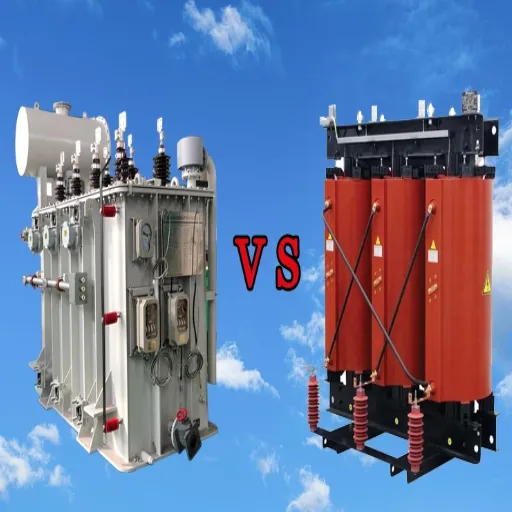
Dry Type vs. Oil Immersed Transformers: Which is Right for Your Project?

Transformers serve as vital elements in electrical systems because they provide safe and effective power distribution to various needs. The selection process for the appropriate transformer to use in your project requires you to make a crucial choice between two options: dry type vs oil immersed transformers. Each type of equipment presents distinct advantages, together with various operational functions and specific situations in which they operate most effectively. This blog will guide you through the main differences between these two types of transformers, helping you make an informed choice that aligns with your project’s specific needs. We will provide you with all the details necessary to determine which option best serves your needs, whether your main focus centers on safety, efficiency, or environmental concerns.
Introduction to Transformers
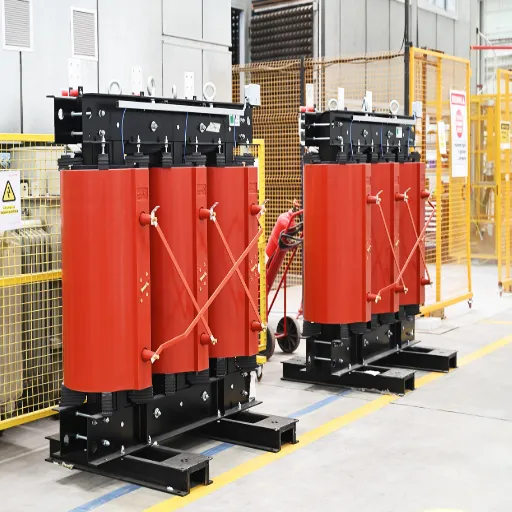
What is a Transformer?
A transformer exists as a fundamental electrical equipment component that serves power transmission and distribution functions. The device operates by transferring electrical energy between two circuits through electromagnetic induction. Transformers use their designs to either increase or decrease voltage levels while maintaining energy efficiency. The system contains two or more windings, which include both primary and secondary windings that extend around a central magnetic core.
The current industrial research shows that transformers function as essential elements for modern infrastructure development because they provide solutions to rising energy demands. The development of amorphous core transformers brings high-efficiency transformer technology that enables minimal energy loss, according to research conducted in 2023. The development provides efficiency improvements, which reach 99.5%, because of which operational expenses and environmental effects are diminished.
The energy sector reports that dry-type transformers have become more valuable than oil-filled transformers in urban and indoor spaces because they provide superior safety features, environmental protection, and simple upkeep. The heavy industrial sector continues to use oil-filled transformers because these devices deliver improved cooling capabilities and better handle high voltage operations. Oil-filled transformers serve as essential components in wind farms because they manage voltage transformations required for long-distance power transmission. The various transformer types demonstrate their capacity to fulfill specific demands that exist within different fields of application.
Importance of Transformer Selection
The transformer selection process is very important and gives good results because it involves ensuring that three facets of power performance (system protection, intended minimum burden, and desired system stability) are all achieved from the said transformer within power systems. Engineers of transformers used in electricity transmission and distribution are advised to select transformers complying with both the performance specifications and the environmental needs of the power engineering company that requires the supply of power. Transformer failures represent unfinished work in electrical systems for a certain proportion that varies between 20% and 40%. For this reason, the selection process requires comprehensive assessment procedures.
It is necessary to ensure that the transformer helps in producing the desired power output while transforming energy. Amorphous technology transformers account for a 70% reduction in energy loss over traditional transformer systems, as per the IEA report. Though invisible, electrical systems preserve energy for ambient transfer through transformers as it surges through a circuit.
Sustainability has sprung to become a critical, fundamental value that humans worldwide recognize. One of the main driving forces for the acceptance of dry-type transformers in the market is the supply of environmental advantages–elimination of the use of hazardous oils and the reduction of the creation of greenhouse gases. Commercial buildings and renewable energy systems are some of the systems using updated versions of dry-type transformers in global support of integrated energy-efficient solutions.
Economic factors need to be present in decision-making processes. It’s quite expensive in initial costs: energy-efficient transformers or specialized transformers for application as categories of energy-efficient transformers; however, both will provide organizations with significant benefits in the financial aspect, thereby readily accelerating return on investment over the advanced period of its service life. DOE’s episode of U. S. Department of Energy (DOE) efficiency standards has generated billions of kilowatt hours worth of operating-cost savings over the entire useful service life of the transformers.
Well evaluation of application-specific conditions requires looking at ambient temperature, altitude, as well as the distress profile to judge the capacity output for the transformer oil system.
Overview of Transformer Types
- Dry-Type Transformers
Dry-type transformers are usually placed in commercial bunkers or residential complexes, data centers, hospitals, and school environments. To cut the possibility of being consumed, they do not have any kind of combustible oils. They do not require much maintenance, either, unlike their same-rating oil counterparts. Their operational efficiency significantly reduces losses. - Oil-Filled Transformers
Oil-filled transformers or conservator transformers are put to use most frequently in larger industrial installations as well as in large power distribution networks. It is a measure in itself because it enables high voltage isolation and better cooling. It is necessary for a substation or wind farm power network, where oil gushes out on an alarming scale, to be heard when there is a fault. Present research is adequate to suggest that modern oil-filled transformers are likely to be able to make towards 99% with energy efficiency during peak load times.
Bigger and more complex transformers fit the bill when the end-user organization is faced with a situation where immediately attaining an energy management solution would mean reduced energy consumption and an inflated bill.
Dry Type Transformers
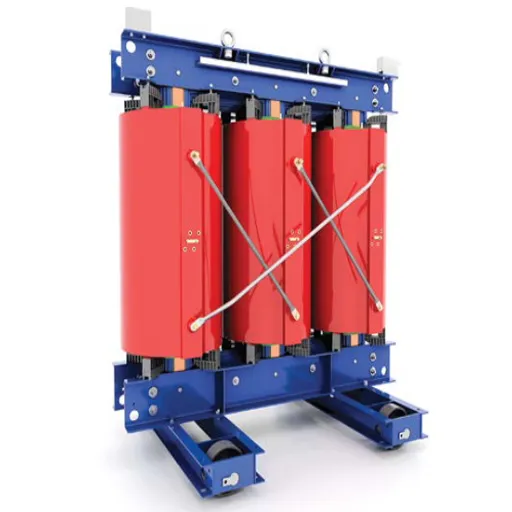
Mechanics of Dry Type Transformers
Dry-type transformers do not use fluid to achieve insulation. They would rather come with air or any other solid non-polluting insulating medium, such as cast resin or glass-fiber reinforced materials, or even inorganic compounds. These transformers are manufactured based on advanced technology, which ensures longevity, safety, and high efficiency, thus making them suitable for indoor installation or areas with limited maintenance costs.
Another main feature of the dry-type transformers is that the windings are insulated using cast resin or vacuum pressure encapsulation (VPE). This form of insulation does not pose many fire risks at all, and there are no concerns about oil spilling. It is anticipated that the size of the dry transformers market will grow beyond $7.1 billion by the end of 2028 at a CAGR of over 6% from the start of 2021. This is because of the growing adoption of these products in commercial, industrial, and renewable energy projects.
In any event, it can be said that dry-type transformers are not susceptible to thermal damage as the level of thermal absorption is high, and they are able to perform under diverse conditions. For instance, ice, dry-type transformers, comprise Class F and Class H of resins, which are impure plastics, and have temperature ratings of more than 155°C and 180°C, respectively, which is the reason why they can withstand high temperatures without being “plasticized” or deformed in any way. Besides, the energy performance of these transformers also adheres to the highest standards, including the distribution transformers, which have to be at least 98% efficient as per the specifications of the U. S. Department of Energy.
Dry transformers are very efficient as they are low operation and maintenance costs, making such a device desirable in places, especially in cities, hospitals, data centres and many others for efficient use of energy consumption. Furthermore, they are even designed to be less noisy, which is helpful where the introduction of noise would not be desired, which is applicable in many existing institutions. Such mechanical and performance features make dry-type transformers well-suited to all contemporary electrical power systems.
Advantages of Dry Type Transformers
Dry-type transformers are a must-have feature when it comes to meeting the current energy requirements. Dry transformers are known to have the highest superiority when it comes to energy efficiency, as it is one of those that can easily outperform by over one in 2 output efficiency readings, depending on model and equipment. Safety is given in a very easy way, as no insulating oil is necessary for electric transformation. That advantage is taken advantage of their being dry-type; mineral oil that allows it to be a spillable material in the installation of giant impregnated transformers can be neglected when installed without personal safety programs and ways to preserve the environment.
Besides high capacity to endure thermal stress, another vital advantage of dry-type transformers is that they will not blow up as easily as potential oil-type transformers; such modern designs are, for starters, used in the insulation system. This F-class or H-class insulation is capable of keeping up within 180 to 220 degrees Celsius. There are some more constructed alternatives of transformers that manage to operate without interruption to provide electricity even under the most adverse conditions, such as the environment in high-density city installations and especially industrial environments, where energy consumption is the highest, from manufacturing to data centers.
Dry-type transformers are not equipped with flammable oils, and they incorporate fire resistance within them. In general terms, they are internationally desirable because they meet all existing safety standards, such as IEC 60076-11 and ANSI/IEEE C57.12. 01. Their utilization is guaranteed in places like medical buildings or airports.
Although transformers have a dry initial installation more expensive than oil-filled machines, their life cycle and the least maintenance make significant savings at the end of the long life of the machines. Observers have remarked that such projects will see a decrease of about 20 to 30% in operational expenses in city infrastructural deployments. Best, their existence highlights practical ecology and increasingly cost-effective practices in the energy systems worldwide.
Common Applications for Dry Type Transformers
Transformers are a very dependable and reliable piece of equipment utilized by industries and other indoor environments more often than not in their dry form. Non-flammability and low or minimal maintenance is also a parade of advantages available in dry type transformers, besides the hassle-free service over a long period and materials so great demand in commercial properties, hospitals, and even schools, so much so that such causes are so necessary. Such transformers find further application in wind turbine farms, solar power plants solar and other renewable energy applications, as they are quite effective in the harsh environments created.
Currently, it is assumed that around a 6.5% CAGR will be recorded in overall global market demand levels for types, which will be estimated as dry type transformers within 2023-2030. This is mainly attributed to the rising availability of renewable energy resources and the increasing level of urbanization worldwide. For example, most metro rail systems and a certain percentage of urban infrastructure include these dry-type transformers for obvious ecological and operational reasons.
Besides the above factors, improved insulation and air conditioning systems engineering along with other sophisticated technical enhancements, notably dry type transformers, have virtually improved the performance of the same. Currently, some of them save as much as 15% of energy, which means the expenses have reduced, and also gas emissions have reduced. However, dry type transformers’ hitherto important function of ensuring efficient power supply systems in the present age is further enhanced.
Oil Immersed Transformers
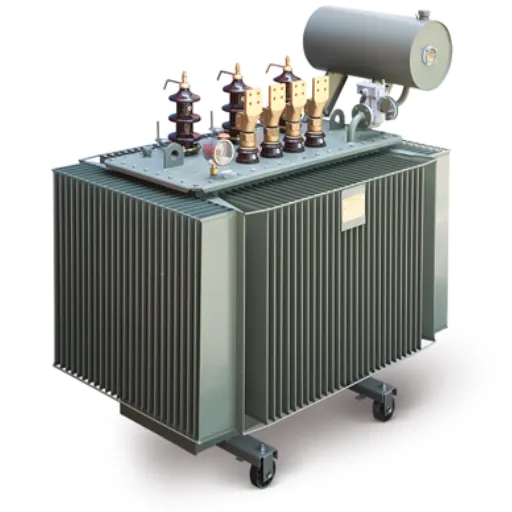
How Oil Immersed Transformers Work
Oil-immersed transformers have a few liters of oil or more filled inside their tanks to help cool down and insulate the transformers’ components. Due to its dielectric nature, this is the variety of oil used not only for cooling purposes by carrying the heat produced away, but also for avoiding instances of electrical destruction such as short-circuits or device failures. All the parts, including the core and the windings, are fully soaked under oil for the purpose of effective heat transfer to all the radiators or any other heating devices.
Additionally, this improvement in the devices in consideration of the current energy economy trend highlights high reliability and demand in the wind industry as well as in domestic use at industrial capacities. Key performance advantage in the recent past in oil-immersed transformers performance has shown efficiency ratings at an optimum percentage of 99.7%, vice versa to some specific cases. In this manner, they are used for distribution and transmission networks owing to their characteristics. Moreover, one critical difference that the modern oil rating transformers have as opposed to the previous versions is the fact that some portions that are deemed environmentally sensitive are taken into account, and some have eco-friendly, biodegradable non-combustion fluids.
With respect to statistics, the estimate suggests an increase in the world market for oil transformers at a CAGR of about 6% per annum between 2023 and 2028. This surge is likely to ensue from the rising energy requirement in the developing countries, increased deployment of smart grids, and the necessity for replacing worn-out equipment in the regions of developed countries. These allow oil-immersed transformers to continue to be required for the efficient and uninterrupted delivery of energy when scaling is possible. effective energy supply since it is deliverable. electric energy supply as it is deliverable.
Benefits of Oil Immersed Transformers
Oil-immersed transformers carry a number of advantages that make it impossible to replace them in utility transformers and in industry. The most important advantage is associated with heat dissipation. The oil used in such transformers performs double duty. Firstly, as an insulating medium. Secondly, it is used to cool the device’s windings so that the device does not overheat even in the most extreme circumstances. Hence, they do not pose a problem of breakdown or replacement like dry transformers.
Oil-immersed transformers comprise a major proportion of the world’s transformer market because of their ability to withstand very high voltage power. The oil-immersed transformer industry was worth approximately US$ 30 billion in 2023, according to some sources, and is expected to grow at a healthy rate within a period of five years to reach a value of above US$ 40 billion or more. The expected trends are set to arise due to rapid urbanization and a high amount of cash investments that are being spent in renewable energy projects as well as the expansion of multinational companies in various markets, including China, India, and Brazil.
Moreover, an extended territorial application of such systems does not affect their final cost in a notable manner, which is another advantage of such systems. When compared to other transformer models, the price of the oil immersion transformers per kVA unit is, and so, in some cold countries or in the event of an extreme increase in temperature, these transformers perform equally well. The purpose of the above-mentioned points is that these devices can operate without outages that would otherwise occur during the transport and distribution of electricity.
To add on, the upcoming technology boosts or does away with the issues altogether, while at the same time increasing the efficiency of the transformation process, while minimizing or eliminating the transformers. For example, there is research being carried out on natural ester oil-based insulating fluid as it would be an assistant against all the concerns caused by the use of insulation-hanging oils. For instance, this shows the place of the transformers of oil immersion technology facing the newly emerging challenges in the sector.
Typical Use Cases for Oil Immersed Transformers
There is high demand for oil-immersed transformers among different fields because of the benefits they provide in terms of reliability, efficiency, and optimal management of different voltages, especially the high voltage systems. Below are some examples:
- Power Generation Plants
Oil-immersed transformers feature in all power-generating stations, which help in the management of the voltage levels to ensure safe transmission of power over a prolonged distance. They step up the voltage produced by the generators for the transmission lines, which can exceed several hundred kilovolts. Also, on a global scale and according to estimates, it is clear that the vast number of large power generation transformers at 70% level are oil-immersed. This is given for their effective cooling and longevity purposes. - Industrial Applications
Processes that require a lot of energy, especially when it comes to the production of steel, chemicals or the processing of pulp and paper, use oil-immersed transformers to regulate and distribute volts within the three-phase electric power system equipment. However, with the changing times, industries have turned around using eco-friendly transformers, they for power reduction by 40% as opposed to the older designs. This is such an element that helps very much in cost-cutting as well as in the reduction of the burden to the world’s ecology. - Renewable Energy Integration
Because of the need to integrate more clean energy globally, however, oil-immersed transformers are essential in connecting solar-backed wind power transmission systems into the AC grid. These transformers are designed in such a way as to withstand multi-loading and adverse weather conditions. For instance, in 2023, sales of transformers used in renewable energy applications rose by 15%, showing how important they have become in fighting against climate change. - Urban and Rural Distribution Networks
Oil-immersed transformers are an integral component of distribution networks, whether in urban or rural areas. They step down the high voltage of power carried in transmission lines to a level that can be used in households and businesses. These transformers are extensively use in case of new smart grid technologies thanks to the transferred efficiency of load and stabilization of the grid.
The versatile uses of oil-immersed transformers at various levels make them order-less in the energy system of today. Thus, along with the improvements being performed on such transformers, all functions of transformers in the chain of energy delivery serve effectively without harming energy resources and the environment.
Key Differences Between Dry Type and Oil Immersed Transformers
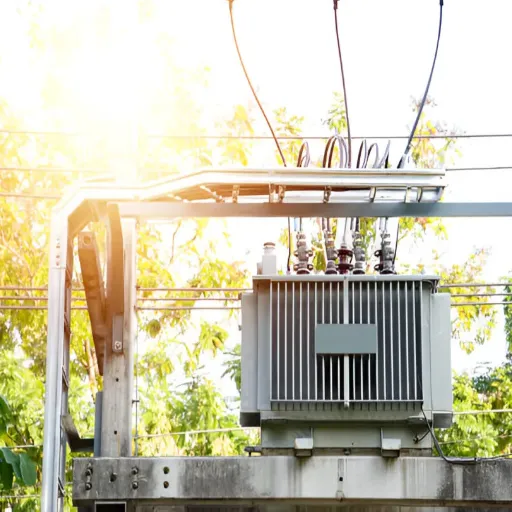
Performance and Efficiency
A dry type vs oil immersed transformer: It is categorized under the classification of performance and better efficiency comparisons. Majorly, however, what sets these two types of transformers apart is the construction and application reduction. If we talk about performance in relation to the cooling, it is quite clear that compared to dry-type transformers, oil-immersed transformers perform more effectively. That is because oil in itself is an insulator as well as a coolant. They can carry high-performance loads with built-in insulations and cooling features, and work up to very high temperatures, and that too with minimal losses. The growing trend observes that today transformer manufacturers, even in oil-filled versions, predict efficiency ratings reaching up to 99%, making them attractive for large applications such as industrial facilities or power grids.
That being said, the operation is somewhat more expensive because dry-type transformers feature lower average efficiencies, ranging from 96% to 98%; they appear to be sizeable for an incredibly low level of maintenance in terms of safety. Air (or any imbued inert substance) is implicated in employing these fans for cooling instead of using oil-which would normally spill out, necessitating maintenance; hence, this has intrinsic safety on its own level. This stuff is top-notch to be put indoors, where environmental considerations of safety are critically evaluated, as in hospitals, schools, and residential complexes.
On the other hand, advancements in materials and technology, among others, continuously permit the design of their core towards inclusion of amorphous core transformers, as sights into possibly closing the great efficiency gap between the two types of transformers. Thus, it, too, allows the possibility of expected flexibility in selecting the right transformer for different intended uses.
Safety and Environmental Considerations
In determining the right one among several transformers, safety and environment come across as major points of concern in that decision. Dry-type transformers are indeed truly very, very attractive to use, since they don’t use any liquid material of insulation, which is used by a transformer using mineral oil, a material that poses leak risks or fire risks; then it is environmentally friendly and for sure safe, particularly in confined spaces or places that are safety-drilled.
Industry figures for the previous years have shown that dry-type transformers are way ahead of oil-filled transformers on performance grounds. It results in non-flammable fluids. All in all, it is all achieved within the ambit of stringent environmental laws. One applicable example is conformity with ISO 14001 of these transformers to help reduce carbon footprints significantly. As a typical process case, the dry-type transformers have recycling rates that render lifespan conditions of above 90 % because of the substance of their manufacture, that is cast resin. Also, scrap aluminum and copper windings will likely be recyclable with minor or no waste at all.
Oil transformers are usually less efficient in energy transfer but have better cooling capabilities that need maintenance and monitoring intensively, warm up, and require close oversight to check or even other environmental resources crowding towards harmful conditions. In a 2023 disclosure, these formerly occupied companies are based on a particular report for this type of industry requiring a 15% consideration against annual maintenance costs compared to those that dry type ones add to the maintenance units. In addition, policies in government are increasingly contemplating flushed transistors, especially in operations within cities where there has to be some minimal incident risk, as well as pollution.
Therefore, you have to think whether it makes sense to choose a transformer type according to efficiency and sustainability (with which safety lies) during the process of operations.
Maintenance and Longevity
Dry-type transformers, compared with the oil-filled transformers, are less maintenance-free and do not require oil, which very often needs regular testing to determine what particular quality is and how it is handled. On average, a figure that is around 20%-30% lower is also appropriate because that will reduce any associated oil costs. Therefore, it proves particularly advantageous for field installation, sites or areas of difficult access, and/or even where inspection is not done frequently.
On average, such equipment will last from 25 to 30 years, with various very good modules that will outperform even under certain conditions. The kiwi belongs in the latter category of heavy users of oil-filled transformers. Advocating for its durability, however, there are chances of frequent servicing that is a result of the possible oil leaks and lost dielectric property over time, which shortens the age of use of these oil-filled transformers.
New advances in epoxy resin technology have made dry-type transformers tough in terms of robustness and operational safety, enabling them to move to the best and top options for the new sectors that require them, especially in terms of reliability and environmental safety, among many features. And this was evident by the fact that they are maintenance-free as well as quite durable, making them an example to be followed in an environmentally green and friendly direction about such modern electrical assets for an advanced electric infrastructure.
Reference Sources
-
Some Comparison of Dry Type Transformers and Oil Filled Transformers – Academia.edu: This paper compares the size, voltage ratings, and fire safety considerations of dry-type and oil-filled transformers.
-
IEEE Xplore: Dry-Type vs. Liquid-Immersed Transformers: Specification Installation and Operational Impact in a Marine Environment – This paper discusses the selection and operational impact of dry-type transformers in specific environments.
-
IEEE Xplore: Further Studies of a Vegetable-Oil-Filled Power Transformer – This article provides insights into the performance of oil-filled transformers using alternative cooling mediums.
Frequently Asked Questions (FAQs)
What are the primary differences between dry type vs oil immersed transformers?
The insulation in dry-type transformers makes use either of air or of epoxy resin, and for oil-cooled transformers, the insulation cooling medium is mineral oil or synthetic liquids. Urban-substations will prefer them as a logical choice, compared to oil types, because they are environmentally friendlier and do not catch fire under normal situations. On the other hand, mineral oil-cooled transformers will be the best for high-capacity, outdoor, or industrial installations.
Which type of transformer is actually well-suited to environmentally sensitive areas?
The best transformers to be used for environmentally sensitive areas are dry-type; there is no oil, so if any oil leaks from the transformer, it will not work as a contaminant. The bigger the benefit as far as safety and utility are concerned. That is especially true in areas that require total commitment to environmental and safety norms.
What are dry-type transformers employed for most typically?
Mainly used in hospitals, schools, commercial structures, and other indoor facilities, it has made them an ideal choice wherever one is looking for safety and reliability. People install them in small spaces, like basements or wherever oil containment cannot be done effectively, due to their easy maintenance and compact design.
Which is the economical one: an oil-filled transformer or a dry-type transformer?
The dry type is aimed at more economical designs, paying off in terms of higher power applications, as seen in terms of original cost and efficiency. In contrast, only maintenance expenses could make more use of later spending in the handling and containment of oil as a hazardous material; on the other hand, the initial cost exceeds that of a dry-type transformer, since it is designed for longer life and lower maintenance expenses.
How do the operating conditions shape the choice between dry type vs oil immersed transformers?
The operating conditions have a great role in picking the best type of transformer. Generally, dry types are considered more suitable for nice, clean indoor places where the main priority is safety from fire, limited room available, and taking into account environmental conditions with special emphasis on outdoor tough conditions or heavy industrial applications requiring better thermal spreading and higher efficiency. Normally, oil-immersion transformers are usually more reliable.
Which transformer type aligns better with sustainability goals?
Dry-type transformer because they are not oil-filled, and thus they avoid any risk of leakage or other negative environmental aspects. Another breakthrough has already been achieved in the use of epoxy resin insulation, making these structures more durable and operational. As illustrated above, with the same number of words, they are the most eco-friendly option for green environments and sustainable energy users.