

How to Size a Transformer: KVA Calculation Guide & Formula

The success of electrical system design and industrial equipment power solutions depends on the correct transformer selection. But how do you determine the correct size of a transformer for your needs? The guide presents essential calculations and required formulas that engineers need to determine transformer size through kilovolt-amperes (kVA) measurement. The article provides engineers, contractors, and enthusiasts with a comprehensive guide to transformer sizing, which enables them to select the best transformer for their specific needs. The project information that you will acquire will enable you to use your work resources efficiently.
Understanding Transformer Sizing

Importance of Proper Transformer Sizing
The safe functioning of electrical systems depends on transformers, which must be properly sized to achieve efficient and dependable performance. The correct transformer capacity selection prevents equipment overloading, which results in reduced energy losses and extended equipment lifespan. An undersized transformer can overheat, which leads to equipment failure and higher maintenance costs, while an oversized transformer results in extra energy usage and higher starting costs.
To size a transformer accurately, multiple factors need to be considered, including the total load, inrush current, voltage requirements, and efficiencies. For example, the formula for transformer sizing in kVA is:
kVA = (Load in kW) / (Power Factor)
According to industry standards, it’s also essential to take future expansion into account, typically adding 25-30% of the load capacity for potential growth. For example, if the calculated load reaches 50 kilowatts, which requires a power factor of 0.8, the transformer should be sized as follows:
kVA = 50 / 0.8 = 62.5 kVA
The equipment that will be powered requires evaluation as an essential factor. Heavy machinery with high starting currents, such as motors, may require oversized transformers to handle the inrush without voltage drops. For residential or commercial applications, data should guide equipment selection through voltage ratings (e.g., 120V, 240V, or 480V) and phase configuration data (single-phase vs. three-phase systems).
Research conducted by the U. S. Department of Energy shows that energy-efficient transformers, which meet DOE 2016 standards, can decrease energy losses by 30% compared to older transformer models. The implementation of modern transformers, which are properly sized, delivers multiple advantages that extend their operational lifespan to provide substantial financial savings for users.
Users can choose the best transformer through these principles and precise calculations, which enable them to achieve economical operations while their systems gain performance improvements.
Common Applications of Transformers
Transformers serve essential functions throughout various industrial applications, which depend on their capabilities. Transformers function as power distribution systems that transform high-voltage power from electrical power stations into safe household and business operational voltage levels. The U. S. Energy Information Administration (EIA) reports that distribution transformers handle almost 60% of electricity used throughout the United States.
Transformers serve essential functions in industrial environments, which include manufacturing and mining operations, because those sectors require specific voltage levels to operate their heavy equipment in a secure and efficient way. Modern energy-efficient transformers, which meet DOE 2016 standards, show energy loss reductions between 18 to 30 percent according to their usage and load conditions.
Transformers play another vital role in renewable energy systems, which primarily generate electricity through solar and wind power. The recent data shows that worldwide demand for transformers, which renewable energy systems need, will increase rapidly until the market reaches $45 billion by 2028 because of the transition to renewable energy sources. The transformers develop special designs that enable them to manage power output changes while achieving optimal grid integration performance.
Transformers perform essential functions in consumer electronics because they enable devices, which include phone chargers and televisions, to transform power outlet electricity into safe, lower voltage levels needed for device operation.
Factors Influencing Transformer Size
The dimensions of a transformer depend on three primary factors, which include its intended use, its operational power limit, its voltage needs, and its core material specifications. Industrial transformers require larger power systems because their electrical systems must handle loads exceeding 100 MVA. The power ratings of smaller transformers found in consumer electronics range from multiple VA to lower values than that.
The operational frequency of a system stands as another important element. High-frequency transformers require reduced core materials because their design needs only minimal core material to handle magnetic flux. Aerospace applications that require weight and space control depend on designs that use high-frequency operations to create smaller transformers that maintain efficiency. Advanced material development allows manufacturers to produce smaller products with amorphous metal cores, which help reduce energy losses, thus enhancing product performance.
The global transformer market will grow at a compound annual growth rate (CAGR) of 6.4% according to current forecasts, which project the market value to reach $45 billion by 2028. The renewable energy sector, which includes solar and wind power, has experienced rapid growth because it serves as the primary force driving this market expansion. Electrical grids need specialized transformers that manage unpredictable energy production to maintain operational stability. Smart grid systems combined with digitalization bring about transformer size changes through new technologies, which include Internet of Things (IoT) transformers that enable real-time system monitoring and operational improvements.
Calculating Transformer KVA Ratings

Introduction to KVA Ratings
The KVA (Kilovolt-Amps) ratings, which function as vital standards, enable users to determine the highest electrical load capacity that a transformer can handle. The rating shows the maximum power that a transformer can handle without experiencing thermal damage or operational breakdown. The KVA rating shows how much power a transformer can deliver through its active power output, which engineers measure in kilowatts, and through its reactive power output, which they measure in kilovolt-amperes reactive.
The KVA rating calculation uses this formula:
KVA = (Voltage × Current) / 1000
The formula calculates transformer load capacity based on its voltage capacity, which engineers express in volts, and its current capacity, which they express in amps. For example, a transformer that operates at a primary voltage of 480V and a secondary current of 50A will have a KVA rating of approximately:
KVA = (480 × 50) / 1000 = 24 KVA
Transformers come in multiple KVA rating options, which start from 0.5 KVA for commercial use and extend to more than 1000 KVA for industrial equipment. The 2023 report published on popular energy websites shows that the transformer market experiences rapid growth because of rising electric vehicle charging networks and increasing renewable energy systems. The market experiences rising demand for large transformers, which have advanced cooling capabilities and KVA ratings that exceed 500 KVA.
The KVA rating determines the maximum load capacity of a transformer, which organizations need to know, but they must operate their equipment at power levels that remain below the transformer’s maximum power capacity. Engineers select transformers for specific applications by evaluating their required KVA ratings and their projected future load requirements, efficiency standards, and specific load types.
Single-Phase Transformer KVA Calculation
The KVA rating for a single-phase transformer can be determined through this standard formula:
KVA = (Voltage × Current) / 1000
The formula defines:
- Voltage indicates the system voltage, which is measured in volts (V).
- Current represents the load current, which is measured in amperes (A).
The KVA rating for the transformer at 240V and 50A load current will be calculated as:
KVA = (240 × 50) / 1000 = 12 KVA
The formula provides an effective method to calculate transformer dimensions that will meet the necessary energy requirements. The actual system capacity should contain extra capacity, which will handle both unplanned equipment needs and unexpected load increases.
Recent Trends and Industry Data
The latest market report shows that the global transformer industry has expanded because customers demand transformers that provide energy savings and greater than 1000 KVA capacity. The market for transformers that exceed 1000 KVA has grown rapidly to supply the energy requirements of expanding industrial sites, data centers, and renewable energy industries. The data that industry sources provided demonstrates that high-efficiency transformer designs deliver cost benefits because they reduce energy waste. Modern transformers now reach efficiency rates between 99.75% and 99.75%, which depends on their load conditions, to help businesses reach their sustainability targets while reducing operational costs.
Transformers with KVA ratings from 75 KVA to 500 KVA are being used in urban areas to provide power for both residential and commercial needs. Engineers and decision-makers need to use both real-time data and load forecasts when making their calculations because this practice will help them deliver dependable power solutions for all their different operational needs.
Three-Phase Transformer KVA Calculation
The KVA rating of a three-phase transformer requires the following formula to be used for its calculation:
KVA = (Voltage × Current × √3) ÷ 1000
Where:
- Voltage refers to the line-to-line voltage, which is measured in volts.
- Current refers to the current that passes through each phase and is measured in amperes.
- The factor of three-phase power factor requires √3, which equals 1.732 to be used.
The KVA rating of a three-phase transformer that operates at 480V while carrying 100A per phase can be calculated as follows:
KVA = (480 × 100 × 1.732) ÷ 1000 = 83.04 KVA
The transformer will operate within its limits when its electrical load needs run through this basic calculation.
Real-World Applications and Data
- Industrial Usage: Current industry trends require transformers to be sized according to increasing energy demands. A 150 KVA transformer delivers power to a facility that needs about 120 kW of electricity with a power factor of 0.8.
- Energy Loss Management: The research demonstrates that contemporary energy-efficient transformers achieve 30% lower energy losses when compared to previous transformer designs, which results in both financial advantages and environmental benefits.
- Urban Infrastructure: Three-phase transformers, which operate in urban areas now require the installation of transformers with 300 KVA capacity to supply electricity to areas that contain both residential and commercial buildings.
Importance of Real-Time Monitoring
Modern transformers use IoT-enabled sensors and smart meters, which help achieve their peak operational efficiency. The technologies enable users to monitor load conditions and temperature changes, and voltage fluctuations in real time. The data shows that advanced systems can help users to achieve a 15-20% improvement in operational efficiency while using predictive maintenance to extend the lifespan of transformers.
The combination of accurate KVA measurements and advanced technology enables engineers and energy planners to achieve reliable power distribution systems that operate in an environmentally sustainable manner.
Using a Transformer Size Calculator
How to Use a Transformer Size Calculator
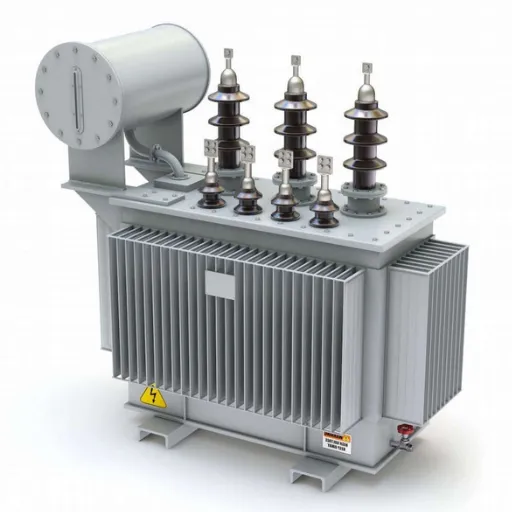
The transformer size calculator requires your system to provide precise power needs, which it requires to function properly. The total load needs to be determined in kilowatts (kW) or kilovolt-amperes (kVA) because this information enables accurate input into the calculator. The system requires voltage measurements together with phase type measurements, which include single-phase and three-phase as essential elements needed for accurate calculations. The formula for determining transformer size in three-phase systems uses the following conversion:
Transformer kVA = (Load (kW) × 1000) / (Voltage × √3 × Power Factor).
The evaluation needs to include extra elements, which also include future load expansion, inrush currents and safety buffer requirements. The selected transformer needs to be able to handle all current and future operational requirements, which will include all present and future system demands.
Current online information shows that transformers that are too small will overheat and function poorly, while transformers that are too large will increase operational expenses because they waste too much electricity. According to industry experts, proper transformer sizing can reduce energy losses by 30 percent, which results in lower maintenance costs and improved overall system efficiency.
Most transformer size calculators provide users with straightforward interfaces that enable them to compute results through advanced processing methods that deliver quick accurate outcomes. Engineers and professionals can use current market tools together with specific procedures to achieve power distribution system optimization through proper decision-making.
Benefits of Using a Calculator for Sizing
The transformer size calculator streamlines decision-making by displaying complete project information through its use of research-powered data. Transformers which operators size to their correct dimensions demonstrate energy efficiency improvements between 25 and 30 percent according to recent studies about their system performance across various load scenarios. The correct sizing of commercial power systems enables companies to save thousands of dollars each year because it maximizes energy efficiency and extends the operational lifespan of their equipment.
Modern calculators often incorporate datasets that show real-time updates to show current industry standards and practices. These tools can consider factors such as load growth projections, system downtime risks, and even environmental regulations. Advanced tools use AI-powered recommendations that adapt to particular user needs to increase their precision and operational performance. Engineers can use these advanced functions to enhance operational reliability while achieving their sustainability objectives through green energy solutions, which reduce operational expenses for power distribution systems.
Limitations of Transformer Size Calculators
Transformer size calculators present numerous benefits yet encounter specific restrictions that limit their effectiveness. The system requires users to input precise measurements because missing or incorrect data results in serious operational problems. The system will generate incorrect transformer sizing results when users enter incomplete data about load demands, voltage levels and environmental conditions. The research established that 15-20% of transformer failures occur because companies use transformers with incorrect specifications, which usually arise from improper planning procedures.
The tools demonstrate their limitations because they simplify complex situations while disregarding new patterns in energy distribution that emerge from increasing renewable energy usage. The rising use of solar and wind energy produces load pattern variations that make traditional calculations less accurate, thus requiring manual calculations and extra analysis.
The presence of high humidity and extreme temperature conditions creates another constraint, which leads to increased stress on transformer components. The calculators fail to consider important derating factors that play a vital role in determining how long transformers will operate successfully. The implementation of complete dynamic modeling systems together with environmental data in the tool would enable users to fill existing gaps in their workflows.
The use of transformer size calculators helps engineers reduce their design work, but they need to conduct thorough manual assessments while using actual system data to assess the power systems’ safety and performance and environmental protection.
Common Mistakes in Transformer Sizing
Overestimating and Underestimating Needs
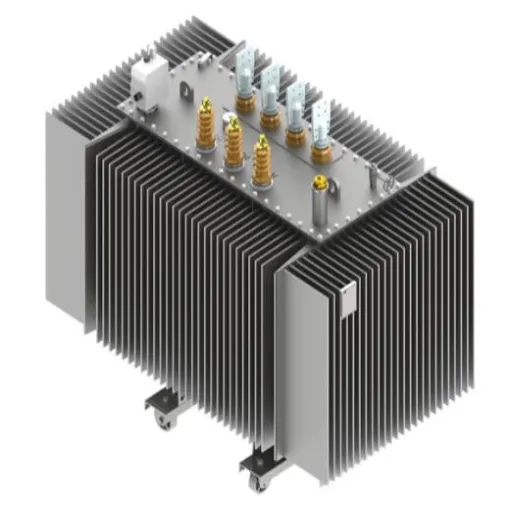
The common mistake that people make during transformer sizing occurs when they estimate future load requirements at levels that exceed actual demand. People tend to overestimate their needs, which results in them buying transformers that work at less than their best performance level. The system incurs expenses because it requires more money to buy equipment, needs additional funds for upkeep, and creates greater energy waste. Research shows that transformers that operate below 30-40% of their maximum power exhibit efficiency drops exceeding 3-5%, which leads to extra costs during their entire operational period.
Transformers experience extended high operational demands when operators miscalculate necessary power capacities. Excessive power demands that transformers experience lead to increased component damage, higher chances of equipment overheating and shorter equipment operating periods. Transformers that operate above 90% of their designed capacity experience a major increase in failure risks during their first ten years, according to recent findings.
The engineers should use accurate load forecasting tools together with historical energy consumption data to address these challenges. The IEEE Load Estimation Software and LoadPRO tools help users to establish their highest load needs by considering seasonal shifts, upcoming demand, and appliance energy usage. The organization can achieve better performance through continuous load monitoring and system upkeep because these methods help the company identify changes in performance, which enable precise transformer operation adjustments.
Ignoring Power Factor and Voltage Drops
The operational efficiency of transformers and their distribution system performance requires assessment through power factor and voltage drop measurements. The operation of businesses with low power factor systems results in increased energy losses and higher utility expenses, which force them to acquire bigger operational equipment. The industry requires most systems to keep their power factor above 0.9 because lower values create problems for both energy efficiency and transformer performance.
The electrical system needs to reduce voltage drops that result from conductor resistance and impedance issues, which prevent stable power transmission. According to IEEE standards, systems must keep their voltage drops below 5% because this level establishes a limit that protects against problems such as flickering lights and equipment failure. The 120V circuit experiences a 5% voltage drop, which produces a 6V decrease that affects devices that require precise voltage control.
Advanced monitoring tools together with smart grid technologies enable operators to analyze power factor and voltage drop through their real-time data monitoring system, which supports them in identifying and resolving system performance issues. The combination of capacitor banks with appropriate cable sizing and voltage regulation equipment enables effective methods that maintain system stability while increasing transformer operational lifespan.
Failure to Account for Future Growth
The system becomes inefficient and experiences breakdowns because people fail to account for upcoming growth and additional power requirements. The International Energy Agency IEA anticipates that worldwide electricity demand will rise at a rate of approximately 3 each year from current levels because existing systems lack appropriate planning. The need for electricity has increased dramatically because urban areas have expanded and more people have started using electric vehicles. According to current estimates, electric vehicle usage will account for 6 of global electricity demand by the year 2030.
The current modeling process requires organizations to adopt expandable approaches, which include both modular switchgear systems and dynamic load management technologies. Machine learning algorithms improve real-time forecasting tools, which can predict load changes with 90 accuracy to help grid operators plan their expansion requirements. The system achieves resilience through infrastructure upgrades and advanced energy storage solutions, which work together with these protective measures to enable sustainable development.
Reference Sources
1. ScienceDirect: A Review on Status Monitoring Techniques of Transformer and a Case Study on Loss of Life Calculation of Distribution Transformers
- Key Findings: Provides insights into transformer status monitoring and loss of life calculations, considering factors like cost and operational area.
- Methodologies: Combines review and case study approaches to evaluate transformer performance.
2. IEEE Xplore: Initial Transformer Sizing for Single-Phase Residential Load
- Key Findings: Defines a methodology for sizing transformers for residential loads, focusing on cost-effective solutions.
- Methodologies: Uses load analysis and comparative sizing techniques to determine optimal transformer sizes.
Frequently Asked Questions (FAQs)
How do you calculate the KVA rating of a transformer?
The KVA rating of a transformer can be calculated through the formula KVA = (Voltage × Current) ÷ 1,000. The formula calculates the apparent power of the transformer in kilovolt-amperes through a quick estimation method. The equipment rating needs an accurate determination through line-to-line voltage measurement and total current requirement assessment. The process of selecting transformer size should consider all potential future load increases.
Why is the proper sizing of a transformer important?
The appropriate transformer sizing leads to efficient operations, which decrease energy waste while safeguarding the system against overheating and overload conditions. The system will experience disruptions when an undersized transformer fails to handle load demands, while the oversized unit creates increased initial expenses and reduced efficiency. The electrical system requires correct sizing because it determines both system reliability and system resilience.
What role does load forecasting play in transformer sizing?
Load forecasting functions as a vital element for transformer sizing because it delivers predictions about current and future electrical needs. The operators use real-time forecasting tools together with machine learning algorithms for load variation trend estimation, which improves their transformer capacity planning. The system enables transformers to handle ongoing power consumption increases and changes in usage patterns.
What factors should be considered for dynamic load requirements?
The dynamic load requirements need three specific elements, which require assessment during peak load testing, startup current evaluation, and current equipment harmonic testing. The system needs advanced load management systems along with infrastructure upgrades, which include modular switchgear to handle the identified load variations. A reliable transformer must accommodate both steady-state and transient conditions effectively.
Are energy storage solutions relevant to transformer systems?
The transformers obtain additional capacity from energy storage systems, which also assist in maintaining their operational load patterns during peak usage periods. The implementation of advanced battery systems together with supercapacitor technology enables sustainable development by reducing electricity requirements from the power grid during peak demand periods. The system establishes robust capacity through this process, which retains full transformer performance across its entire service period.
Can modular switchgear improve transformer system scalability?
The installation of modular switchgear systems allows transformer systems to achieve enhanced scalability because the system enables both expansion operations and maintenance activities to be performed more easily. The system enables simultaneous component installation and system expansion without requiring extended operational interruptions, which makes it suitable for handling future load growth and operational shifts. The combination of modular systems with transformers that match system requirements enables efficient network system enhancements throughout their entire operational period.