

Furnace Transformers: Arc Furnace & Induction Applications

The industrial processes which need precise electrical energy control to create high temperatures depend on furnace transformers which are essential for arc furnace and induction furnace operations. The specialized transformers enable efficient power conversion which leads to optimal system performance and energy efficiency in high-demand conditions. Furnace transformers are designed to solve the specific demands of electric arc furnaces and induction systems which need precise heating for steel production and industrial processes. The article examines essential functions of furnace transformers which differ from each other through their specific engineering requirements to demonstrate their importance in contemporary industrial operations.
Understanding Furnace Transformers
What is a Furnace Transformer?
Furnace transformers serve the specific purpose of providing electrical power to electric arc furnaces and induction furnaces used in industrial operations. The system delivers the required voltage and current to operate melting and heating functions within high-powered equipment. Furnace transformers are engineered to withstand extreme operational demands through their ability to endure nonstop heat and physical and electrical pressure.
The transformers operate differently from typical power transformers because they can manage electrical loads that fluctuate between extreme high and low values. Electric arc furnaces produce current changes that create sharp fluctuations together with non-linear electrical loads which forces the transformer to maintain its performance during these extreme operating situations. Many furnace transformers are also equipped with on-load tap changers (OLTCs) which allow precise voltage adjustments during operation, ensuring optimal performance and energy efficiency.
Furnace transformers must be designed to endure which enables them to function in various operational situations. Industrial furnaces require electrical systems which protect their equipment through reinforced insulation and advanced cooling systems and durable mechanical components. The transformers enable energy plants to maintain operations which power essential industrial processes through their capability to transform high-voltage grid electricity into the exact voltage which furnaces require in energy-intensive industries such as metallurgy and manufacturing.
Role of a Transformer in HVAC Systems
The HVAC system requires transformers as its vital elements which deliver electrical power according to the equipment’s operational needs. The system transforms high-voltage electricity from the grid into the lower voltages which HVAC components need to function. The system depends on proper transformer operations because they deliver both reliable power and efficient performance for commercial and industrial facilities which have high power needs.
- Voltage Regulation: Transformers maintain proper voltage levels to ensure HVAC units receive continuous power supply. The step-down transformer decreases grid voltage to generate an output that HVAC system motors and compressors can use.
- Power Isolation: HVAC control circuits need protection from electrical surges which isolation transformers provide through their safe design that increases equipment operational lifespan.
- Energy Efficiency: Transformers enhance HVAC system efficiency by reducing energy losses which occur during voltage transformation. The system requires this feature because it operates continuously throughout the day at high capacity.
- Support for Multi-Unit Systems: The facility uses transformers to create an even power supply system which operates multiple HVAC units throughout its space. The system maintains uniform operations while distributing different load levels across separate areas of its operations.
- Adaptability to Various Applications: The HVAC industry requires transformers which need customization for specific applications in different systems which operate in hospitals and office buildings and industrial plants.
The technical functions of transformers establish their essential role in maintaining HVAC system operations which proceed without interruptions while meeting safety requirements and achieving operational efficiency throughout different operating conditions.
How Transformers Work in Arc Furnaces
Transformers play a critical role in the operation of arc furnaces by stepping down high-voltage electricity from the power grid to the lower voltages required for melting processes. The system operates by delivering electrical energy which the system needs to create the necessary extreme temperatures for metal melting of steel and aluminum. The transformer provides the necessary voltage control which enables the furnaces to sustain their required temperature range for different metallurgical processes.
The main operational configuration requires direct transformer connections which supply power to the arc furnace through its electrodes. The electrical current system operates by sending current through the electrodes which produces an electric arc. The electric arc generates extremely hot temperatures which cause the metal to melt inside the furnace. The transformer needs to support heavy current loads and dynamic load variations while maintaining consistent energy output. The system handles the electrical disturbances that occur during arc furnace operations which include multiple voltage spikes throughout the process.
The organization aims to achieve both safety standards and operational efficiency goals. Arc furnace transformers use powerful cooling systems which include air cooling and oil cooling systems to control the heat produced during their normal functioning. The system includes monitoring and protection technologies which prevent transformer overloads while maintaining safe operational limits. Transformers enable the industrial steel production process through their ability to provide controlled melting operations which require reliable operation.
Types of Furnace Transformers
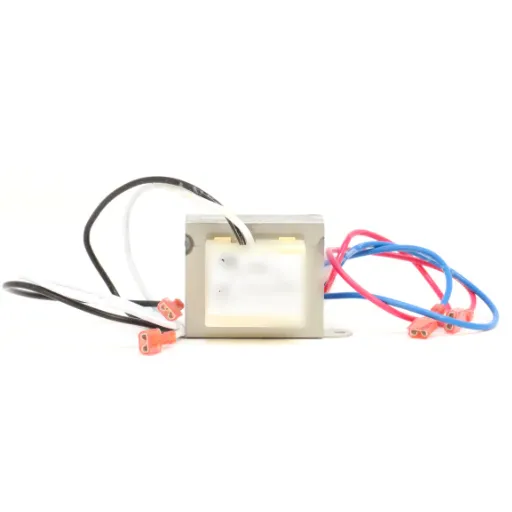
Arc Furnace Transformers
Arc furnace transformers are built to provide electric arc furnaces EAFs with their necessary operational demands which require them to operate at high current levels and low voltage settings while melting steel and other metals. The transformers have to endure extreme electrical and thermal conditions because arc furnaces operate with rapidly changing operational patterns. The construction of arc furnace transformers uses strong insulation systems together with components that can withstand high mechanical forces and cooling methods which include forced air and forced oil circulation to handle the extensive heat produced during their running time.
Modern arc furnace transformers use on-load tap changers OLTCs which let operators change voltage output according to changing requirements of the furnace system. Electric arc furnaces use irregular and nonlinear loads which produce harmonic distortion so harmonic filters install to ensure the system meets power quality standards. Arc furnace transformers have their power capacity evaluated in megavolt-amperes MVA which shows different rating results depending on how EAF systems operate at different scales.
These transformers function as vital equipment in steel manufacturing operations which need exact energy distribution because their functions demand dependable power delivery. The digital monitoring systems combined with the system enable its users to track their operational efficiency while receiving instant performance data about their electrical load and voltage level changes plus their temperature conditions, which helps them plan maintenance activities and minimize operational interruptions. Engineers and manufacturers have developed new materials and engineering solutions which enable current arc furnace transformers to satisfy the demands of present-day industrial operations.
Induction Furnace Transformers
Induction furnace transformers serve as essential parts of electromagnetic induction systems used to melt and heat metal materials in foundries and metallurgical work. The transformers provide power to induction furnaces by delivering predefined current and voltage levels which enable precise energy delivery for optimal furnace performance. The induction furnace transformers operate differently from arc furnace transformers because they send electrical energy to an induction coil which produces an alternating magnetic field. The magnetic field generates eddy currents which flow through the metal charge, resulting in heating that leads to complete melting of the metal.
Induction furnace transformers exhibit modern design features which achieve high operational efficiency while maintaining low energy losses and providing strong insulation protection against thermal and electrical hazards that occur during continuous operation. The transformers utilize advanced cooling systems through water or oil cooling methods to sustain operational stability during periods of high load. The design process includes secondary voltage regulation which enables the system to adapt to changing furnace operations while maintaining compatibility with digital control systems.
The system enhancements enable maintenance planning through early detection of future equipment problems which include insulation deterioration and winding defects while creating more efficient equipment maintenance processes which extend equipment life. The current trend toward sustainable business operations leads manufacturers to develop energy-efficient product designs and environmentally sustainable materials which help them achieve international energy efficiency benchmarks.
Differences Between HVAC Transformers and Furnace Transformers
HVAC transformers regulate voltage for heating and cooling systems, while furnace transformers provide variable voltage and high current for industrial furnaces under harsh conditions.
|
Key Point |
HVAC Transformers |
Furnace Transformers |
|---|---|---|
|
Voltage |
Constant |
Variable |
|
Current |
Moderate |
High |
|
Application |
Heating/Cooling Systems |
Industrial Furnaces |
|
Environment |
Residential/Commercial |
Harsh Industrial |
|
Durability |
Standard |
High |
Transformer Needs and Replacement
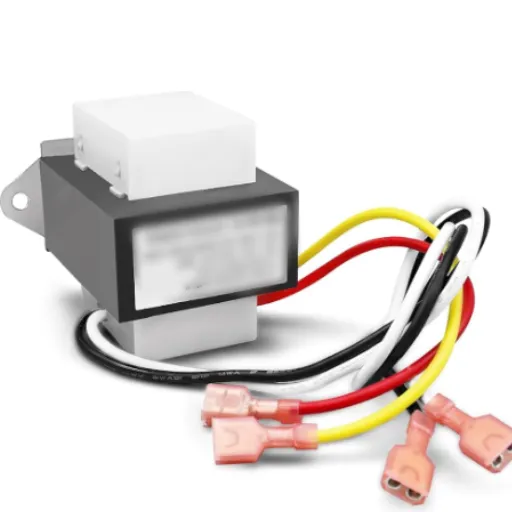
Common Signs of a Bad Transformer
Transformers need to be detected to avoid negative impacts on system performance and to prevent expensive equipment breakdowns. Transformers show signs of failure through their production of unusual buzzing and humming sounds which indicate electrical problems that affect their winding and core components. The system stops functioning when overheating continues for too long and voltage levels exceed safe limits and insulation materials fail. Output voltage loss or system power interruptions that happen unexpectedly serve as major danger signals which usually indicate short circuiting or open circuiting problems within transformer windings.
Physical evidence of damage to transformers serves as a critical transformer failure detection method. The evaluation process requires inspectors to examine the system for burnt wiring discolored wiring and terminal corrosion and oil leaks from oil-filled transformers. The visible defects show signs of overheating and electrical stress and cooling system breakdowns. Regular visual inspections can help detect these issues early and prevent further damage. The monitoring process needs to track circuit breaker trips and fuse blows because these events usually protect the system from transformer faults that happen inside.
Temperature changes need to be analyzed for accurate diagnosis purposes. Transformer overheating happens when transformers face excessive electrical loads and experience insufficient airflow and their internal parts face degradation. The equipment uses thermal imaging technology to find hotspots and to monitor transformer health throughout its operation. The system’s insulation tests need to be repeated throughout the operation using insulation resistance tests and dielectric breakdown tests to assess its current insulation condition. The fast resolution of these problems leads to major reductions in catastrophic failure risks which results in equipment that works reliably over time.
When to Replace the Transformer
The process of determining when to replace a transformer requires assessment through three main factors which include its performance and condition and its total operational life. I believe the process begins with assessing signs of degradation which include continuous overheating and rising insulation breakdown cases and major efficiency loss. The symptoms of the problem will persist even when maintenance and repairs take place because the transformer has already reached its operational limits. The organization should choose to replace equipment when repair expenses reach or exceed the expense of acquiring a brand new transformer.
The transfomer operational needs represent one of the most important elements in my assessment. The transfomer must be replaced when power needs from the facility or grid exceed its designed capacity. Transformer overload results in harmful transformer damage which decreases transformer reliability and heightens the chance of equipment breakdown. The installation of a new transformer with advanced specifications creates a safe energy system which provides long-term energy efficiency benefits.
Replacement decisions depend on technological advancements. The older transformers which lack modern features cannot support integrated monitoring systems or higher energy efficiency standards. Organizations should replace their outdated equipment with new advanced models because this strategy delivers major benefits for both reliability and cost savings. Technical assessment together with operational needs and economic evaluation should guide transformer replacement decisions because this approach achieves the best system efficiency and environmental sustainability.
Understanding Transformer Replacement Costs
The factors which determine transformer replacement costs begin with equipment purchase expenses and continue through various other elements. The transformer size and rating serve as a major factor because larger transformers with greater capacity require more expensive design work and additional materials. The total cost analysis requires accounting for all installation costs which include labor expenses and transportation charges and site preparation work.
The organization needs to establish its capacity to meet current regulatory requirements and environmental protection standards. The current efficiency requirements force transformers to require higher insulation standards and biodegradable coolant usage and reduced energy losses which increases their total cost. The costs for production and subsequent prices depend on market conditions which include changes in raw material prices for copper and steel.
The replacement process causes operational downtime which creates indirect costs because service interruptions decrease both productivity and utility reliability. The evaluation process requires stakeholders to assess these elements together with lifecycle cost analysis to create informed decisions which will bring short-term costs and long-term operational efficiency and performance results.
Troubleshooting Transformer Issues
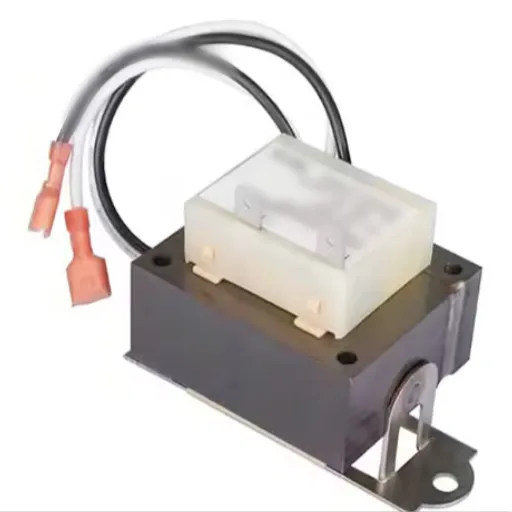
Identifying Transformer Problems in HVAC Systems
Transformers in HVAC systems function as critical components which protect system performance through their voltage control capabilities. The identification of transformer problems serves as a vital step for maintaining system operational reliability. Transformers demonstrate failures through their production of strange buzzing and humming sounds which drivers need to fix because these sounds point to loose laminations and core saturation and electromagnetic interference issues. The presence of physical evidence like transformer casing damage and burning smells and discoloration indicates that overheating and electrical problems and short circuits and winding failures have occurred.
The process of checking electrical performance holds significant importance. The combination of irregular voltage output with frequent circuit breaker tripping and power delivery inconsistencies indicates that insulation has degraded and components have reached their end of life and connections have been improperly established. The detection of high operating temperatures through infrared thermography can reveal problems related to equipment overload and inadequate cooling systems.
The combination of regular maintenance and insulation resistance testers together with thermal imaging tools enables early detection of potential weaknesses. The technical teams need to complete their systematic inspections according to OEM recommendations and industry standards because this practice will decrease risks and extend the operational life of HVAC transformers.
Furnace Transformer Failure: Causes and Solutions
Furnace transformer failures occur because of different operational and environmental and design factors which produce distinct effects on system performance and system reliability. The common problem occurs when electrical overloading takes place because the transformer operates at its maximum capacity beyond its official limits for long times. Equipment overloads lead to equipment overheating which damages insulation materials until the system experiences internal short circuits. Voltage regulation problems serve as major system failures which happen because equipment encounters both voltage surges and voltage sags. Transformer components experience excessive stress because of power system fluctuations which cause transformers to suffer from mechanical damage and dielectric failures as time progresses.
Transformer failures occur because environmental factors function as essential failure determinants. The furnace environment becomes contaminated with excessive moisture and particulate matter which leads to insulation damage through partial discharges and corona discharge. Critical components experience accelerated aging because high ambient temperatures and poor cooling systems create thermal stresses which exceed safe operational limits. Furnace transformers experience operational challenges because of harmonic distortion which results from non-linear operation of furnace loads that generates both excessive heat and vibration which reduces operational performance and product lifespan.
The solution to these problems requires organizations to implement both proactive strategies together with reactive strategies. The identification of vulnerabilities requires insulation resistance testing and thermographic scanning and harmonic analysis through their implementation as essential routine maintenance activities. The combination of high thermal rating transformers with operational equipment which uses forced air or oil circulation cooling methods results in reduced thermal stress for the system. Voltage regulation devices together with harmonic filters maintain system stability while protecting the transformer from unnecessary operational stress. The implementation of these maintenance strategies through a structured program enables organizations to reduce equipment failure probabilities while increasing operational efficiency.
Tips for Effective Furnace Repair
- Perform Thorough Diagnostics: The initial stage of furnace repair work requires technicians to identify the problem through accurate assessment methods. Advanced diagnostic tools including thermal imaging cameras and infrared thermometers and vibration analysis equipment enable technicians to discover potential issues that include heat exchanger cracks and clogged filters and blower motor failures. The comprehensive assessment of the system enables technicians to locate the specific fault with accuracy.
- Follow Manufacturer Specifications: The manufacturer’s documentation and service manuals should be used as reference material to confirm that all repairs meet manufacturer standards. The design of furnaces requires specific components and tolerances which must not be changed because any changes will create safety risks and efficiency problems and void warranty protection.
- Inspect and Optimize Airflow: The furnace system requires appropriate airflow to function effectively. The ductwork needs examination to identify any obstructions or leaks or damage while filters should be replaced according to the schedule to protect the blower motor from excessive workload. All vents and return air paths must remain open to support proper air circulation throughout the space.
- Test Safety Controls and Sensors: The safety system includes essential components such as flame sensors and limit switches and pressure relays which work together to stop dangerous situations from happening. The components need to be checked for proper operation and all defective parts should undergo calibration or replacement according to needs. The system requires assessment of these elements because they prevent operational failures and safety problems.
- Upgrade to High-Efficiency Components: The repair process should include an assessment of premium energy-efficient components which include variable-speed motors and duct-sealing solutions. The operational costs decrease because these improvements while the system lifespan extends and environmental effects decrease.
- Integrate Predictive Maintenance Tools: The use of predictive maintenance technologies enables tracking of furnace performance through IoT sensors and cloud monitoring systems in real-time. The tools provide technicians with alerts about possible problems which allows them to resolve issues before they cause expensive equipment failures and result in operational delays.
By employing these strategies, furnace repair technicians can ensure a high level of system reliability, efficient operation, and enhanced safety standards. Combining technical expertise with strategic upgrades can result in long-term cost savings and improve overall system performance.
Future Trends in Furnace Transformer Technology

Advancements in Transformer Design
The industry requires high efficiency and low energy use and durable products which has led to recent improvements in furnace transformer design. The development of advanced core materials which include amorphous metal alloys has emerged as a major breakthrough because these materials enable better performance through their decreased magnetic hysteresis core loss. The system uses this innovation to achieve better energy efficiency which results in lower heat production and extended operational life for the transformer system.
Manufacturers use specially designed winding techniques which enable better electricity flow through conductors by decreasing resistance. The transformer system achieves better temperature resistance through these techniques because they work together with advanced insulation materials. Enhanced insulation material now provides improved protection against moisture and contaminants which is essential for equipment to function properly in extreme working environments.
Furnace transformers receive new capabilities from smart technologies which enable technicians to track transformer operations in real time while predicting upcoming maintenance tasks. Technicians can use integrated sensors which monitor temperature and voltage and load capacity to detect system irregularities and prevent failures. Modern building management systems now support wireless communication, which allows users to incorporate HVAC systems into their existing digital infrastructure.
The growing demand for modular transformer designs exists because these systems offer,customers the ability to customize solutions,which enables them to easily expand their systems. The design improvements create systems that function with maximum efficiency while maintaining dependable operation and future-ready capabilities through their design, which supports environmental protection and cost-effective business operations.
Integration of Smart Technologies in Transformers
The introduction of smart technologies to transformer design achieves a significant breakthrough which improves both system efficiency and operational performance. The modern transformers now feature built-in IoT sensors which allow for continuous monitoring of essential parameters including load, voltage, temperature, and oil levels. The sensors use advanced communication protocols to transmit data which reaches central control systems or cloud platforms and delivers insights that support predictive maintenance and system improvement.
Smart transformers use machine learning algorithms to study their operational patterns which enables them to detect operational anomalies before they cause system failures. The automated systems can detect insulation degradation or thermal overload risks which allows them to initiate preventive actions before system failures occur. The new technologies not only extend the operational lifespan of transformers but also deliver substantial savings in maintenance expenses.
Smart transformers use adaptive load management systems to optimize their power distribution which enables them to match electricity supply with customer needs. This process becomes essential for renewable energy integration because solar and wind power sources create variable electricity production which needs careful management to keep the electric grid stable. Smart transformers establish themselves as essential technologies which help power networks develop better resilience and sustainable energy solutions through their combination of intelligent systems and flexible operational capabilities.
Impact of Renewable Energy on Furnace Transformers
The growing use of renewable energy sources in power grids creates multiple challenges and opportunities which impact furnace transformers. Power generation from renewable sources, including wind and solar energy, exhibits inherent fluctuations because these sources produce energy in an unpredictable manner. The steel industry relies on furnace transformers, which must maintain their operational efficiency and equipment lifespan through their ability to adapt to operational changes. The following list presents all the impacts that need evaluation and assessment.
- Voltage Fluctuations: Renewable energy sources, particularly solar and wind, generate electricity intermittently depending on environmental conditions. The variability of these two elements causes voltage spikes and drops which disrupt the electrical performance and thermal stability of furnace transformers. The system needs continuous monitoring combined with voltage control to prevent these power system disturbances.
- Harmonic Distortions: The integration of renewable energy often involves the use of power electronic converters, which may introduce harmonic distortions into the grid. These distortions lead to increased operating losses and overheating in furnace transformers, which need advanced filtering systems to maintain proper power quality.
- Dynamic Load Balancing: Furnace transformer operations in industrial settings must manage the unpredictable electricity supply which comes from renewable energy sources. The use of load balancing solutions becomes essential to stop the transformer from experiencing excessive load or insufficient usage, which would make it necessary to operate beyond its established performance limits.
- Thermal Stress on Components: Renewable energy sources create power instabilities which lead to the transformer components experiencing thermal expansion and contraction cycles. The cycling process results in faster insulation material deterioration, which will create reliability issues for the transformer throughout its operational lifespan. The system needs advanced cooling solutions to counteract these system impacts.
- Grid Instability: The non-dispatchable nature of renewable energy systems creates challenges for grid stability. Furnace transformers need to process
By addressing these factors with modern engineering solutions and predictive maintenance strategies, furnace transformers can be optimized for compatibility with renewable energy-driven power systems.
References
-
Optimal Design of a Furnace Transformer by Intelligent Evolutionary Optimization Techniques
This academic paper explores optimization techniques for designing 3-phase furnace transformers. -
Effective Magnetic Shielding in Electric Arc Furnace Transformers Using Interphase Wall Shunts
A study on reducing stray losses in electric arc furnace transformers through innovative magnetic shielding. - Click here to read more.
Frequently Asked Questions (FAQ)
Q: What does a furnace transformer do? And what is the mechanism behind the working of a transformer in a furnace?
A: There is a device installed on the furnace internally called the transformer. Its purpose work is to create low voltage power by converting high voltage power in the primary windings to low voltage on the secondary. As we know transformers have two windings; primary and secondary otherwise known as input and output windings. The best example of this transformer is when it is used in house furnishing transformer especially where we have the furnace. There is high voltage from the mains (AC power) and in the furnace, there is a 24v that suppplies [sic] the control board, thermostats and relay circuits.
Q: How about the symptoms such as how will a faulty furnace transformer look like.
A: In a working transformer, the power supply is almost always 24 volts. If it is not, then there are control board problems or very often burning of the transformer. Buzzing or humming sounds can also be produced due to the transformer’s failure, and these sounds are common. A blown fuse, and repair of the furnace elements disturbances in functioning —these are also some manifestations of the problem, too.
Q: Under what conditions does the transformer in the furnace become defective- Is it due to surge in power or due to some problem with the wiring?
A: Lots of risk factors can cause a problem with the transformer such as a power surge, general overheating, wear and tear of the transformer as it ages, control elements that remain warmed up, and wiring transpositions or even wrong connections to the ground. A surge or a current flowing the secondary at a specific capacity can cause damage to the upper and lower winding that can in turn demand that the transformer be replaced.
Q: What is the typical cost of replacing a furnace transformer and to what extent is it influenced by its capacity?
A: It depends on a range of factors like the specific type of the transformer and the price of the brand and rather labor than the price of a part. Older transformers may not cost much but, accelerating heating transition, HVAC work and appropriate primary/secondary voltage and VA ratings are provided so it does not cost cheap. The charges are also influenced, to some extent, by the VA ratings and whether the transformers are for a single function or more like air conditioning or furnace.
Q: Is it advisable for me to change a transformer on my own or seek help from a trained HVAC professional?
A: If you have electricity knowledge and know how to turn the AC power off safely, check the voltage and double-check the wiring, replacing the transformer might be plausible. With that being said, since a transformer is an electrical dauis containing primary and secondary windings and control elements, it is best to opt for an HVAC technician for proper sizing, connection, and control board protection or danger of fire in case of change out of the control board even for other shenanigans including those related with how to replace a control board due to a busted control board or damaging the wire where because of which the transformer/switch is in power conserving mode and the furnace transformer headquartered in one.