
Mining Industry Transformers: Heavy Duty Power Solutions

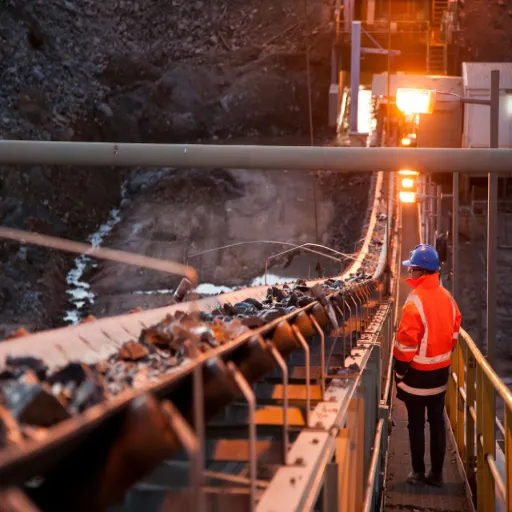
The mining industry operates under its most challenging conditions, which require its systems to deliver dependable service throughout their entire production cycle. The mining process depends on heavy-duty power solutions, which provide the necessary energy to operate modern mining equipment. Transformers function as vital system elements because they enable power distribution to facilities and equipment during severe weather conditions. The article studies advanced transformer technologies that mining companies implement to improve their operational efficiency, as well as equipment reliability and environmental sustainability through their ongoing industrial development.
Understanding Mining Transformers
What is a Mining Transformer?
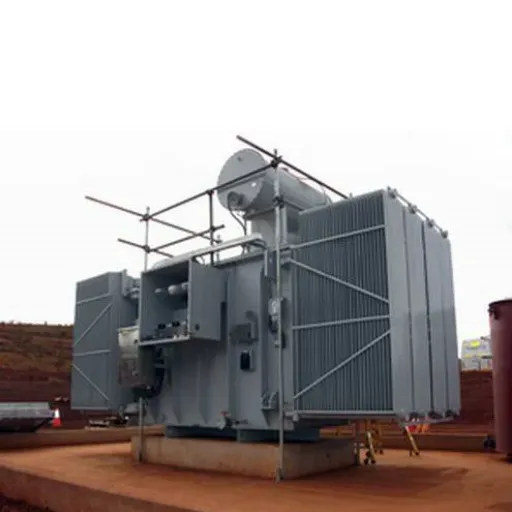
A mining transformer functions as an electrical transformer that has been designed to meet the specific operational needs of mining environments. The transformers operate in dangerous conditions, which create environments with intense dust storms, extreme humidity levels, severe temperature fluctuations, and high equipment usage. The mining sector depends on these systems for their essential function of delivering electrical power to operate machinery and conveyor systems, lighting systems, and other essential operational tools.
Mining transformers use their robust insulation systems, complete cooling systems, and protective enclosures to safeguard against extreme environmental conditions. Advanced Dry-Type Transformers have become a popular choice in recent years because they provide a safe solution that prevents oil leaks while operating with low environmental effects.
The capacity range for mining operations requires transformers that deliver between 25 kVA to 20,000 kVA based on their operational size and work activities. The transformers function at multiple voltage ranges, which include 6.6 kV and 11 kV and even higher voltages to meet the diverse electrical demands of mining operations. The current automation trends now drive mining transformers to use advanced monitoring systems, which enable operators to track performance in real time, perform predictive maintenance, and optimize energy usage. The solutions that help the mining industry achieve sustainability goals while reducing operational downtime and cost expenditures serve as responses to existing environmental problems.
The Importance of Transformers in Mining Operations
Transformers serve as a vital part of mining operations because they provide safe and effective electrical power distribution across all operational areas. Mining operations use large amounts of electricity because some mining sites require more than 1000 megawatt-hours of electrical power every day. The mining industry uses approximately 400 terawatt-hours (TWh) of energy worldwide each year, according to recent reports, making it one of the most energy-intensive industries.
Mining sites present their unique challenges, which require advanced transformers to solve their problems according to their need to handle high temperature, dust, and moisture conditions. Dry-type transformers and hermetically sealed oil-filled transformers have become popular choices because of their strong performance capabilities and low upkeep requirements. Smart system integration, which includes IoT-based monitoring and AI analytics, has produced efficiency gains that reach 15 percent while minimizing equipment problems and power losses.
Energy-efficient transformers create a path for mining companies to achieve their sustainability targets. The current research shows that modern energy-efficient transformers can reduce total energy loss by 30 percent, which results in significant financial advantages and lower greenhouse gas emissions. The mining industry uses these innovations to establish sustainable mining practices that support the present global shift towards green mining methods.
Types of Mining Transformers
- Power Transformers
Mining operations require power transformers because these devices enable power distribution to distant sites through their capability of transmitting energy over extended distances. The engineers designed the transformers to function at their best performance level when operating at high voltage systems, which need to deliver power for running equipment that draws substantial electricity, such as drilling machines and crushers. The worldwide power transformer market will expand at a 6.3% compound annual growth rate from 2023 until 2030, according to research, because industrial and mining infrastructure development increases sector investments. - Distribution Transformers
Mining sites need distribution transformers to convert high-voltage electricity into safe operational voltages that their facilities can utilize. The contemporary distribution transformers now feature smart technology, which enables real-time monitoring because these system updates create safer operations, while detecting faults during power outages produces more reliable performance. The mining operations that function throughout the day benefit from these advancements because they enhance operational efficiency. - Dry-Type Transformers
Underground mining operations use dry-type transformers because these systems provide safety features that protect against explosions while requiring only basic upkeep. Research indicates that dry-type transformers decrease maintenance expenses by 25 percent when compared to standard oil-cooled transformers. The products provide environmental protection because they prevent oil leaks from occurring. - Autotransformers
Autotransformers enable mining operations to use efficient voltage regulation, which results in reduced energy losses throughout their processes. The system maintains control over voltage fluctuations that result from high-demand machine operations. Mining sites that implement energy-efficient autotransformers achieve up to 15% energy savings according to a report, which enables companies to reach their environmental sustainability targets.
The specialized transformers improve both safety standards and operational reliability in mining operations while helping organizations reach their energy efficiency targets and decrease their greenhouse gas emissions. Mining companies will adopt new technological solutions, which will enable them to better fulfill their sustainability commitments as new technological solutions become available.
Technical Workings of Mining Transformers
How Mining Transformers Operate
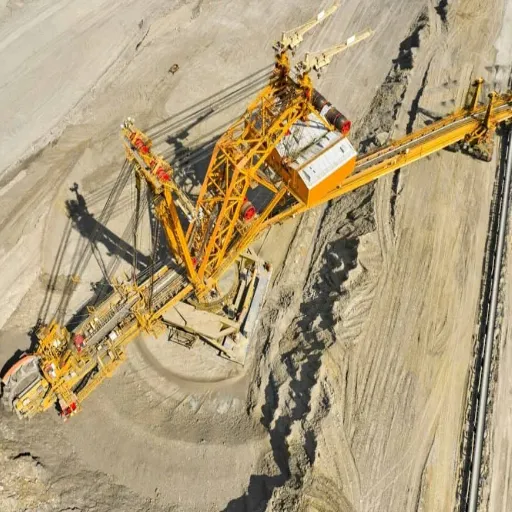
Mining transformers function as essential components that distribute electrical power throughout mining sites. The system steps down high-voltage electricity from the grid to produce lower voltages, which mining equipment requires. The system establishes a secure power supply to heavy machinery, which includes conveyors and drills, and crushers, while it decreases electrical danger potential.
Modern mining transformers feature a main characteristic that includes a robust design, which enables them to operate in extreme temperature and vibration, and dust or moisture environments. The most recent models include sophisticated cooling technologies that use either oil or air systems to maintain safe temperature levels during demanding operational conditions.
Recent technological advancements have enabled their performance capabilities to reach new heights. The current smart monitoring systems enable users to perform real-time data analysis for system performance and diagnostic evaluation, which leads to a substantial reduction in system downtime. The latest mining transformers achieve energy efficiency gains that can reach 40%, according to industry reports which show that large mining operations will save millions of dollars in annual expenses. Advanced technologies enable mining companies to increase their production capacities while they observe strict standards for environmental sustainability.
Components of Mining Transformers
Mining transformers operate efficiently under tough working conditions because they depend on essential components that work together in their vital tasks. The essential components that need to be understood here are their main functions.
1. Core
The core structure combines silicon steel layers to create a design that minimizes energy loss through eddy currents and hysteresis effects. The modern mining transformers utilize advanced core designs that enable better magnetic flux distribution optimization, resulting in enhanced energy efficiency. Amorphous steel cores can achieve 75% core loss reduction when compared to standard materials, according to recent developments in technology.
2. Windings
The windings of transformers use copper or aluminum as their main materials because these metals deliver high electrical conductivity. The windings receive protection through high-quality insulation materials which prevent high voltage stresses and extreme environmental conditions from damaging them. The development of oil-immersed windings as a cooling technology has resulted in better thermal load handling capabilities during nonstop operations.
3. Cooling System
The cooling system helps to maintain the correct temperature range needed for devices to function properly. The mining transformers implement air cooling systems, oil cooling systems or water cooling systems according to their specific operational requirements. Oil-filled transformers maintain their popularity because they dissipate heat effectively, while their advanced designs enable up to 30% longer operational life.
4. Bushings
The transformers connect to their external circuits through bushings, which serve as their connecting point. Modern bushings use high-strength ceramic and composite materials which enable them to endure extreme stresses that occur during mining operations across various environmental conditions.
5. Tap Changer
The tap changer system enables the transformer to maintain constant voltage output by adjusting its settings according to changing input power supply conditions. The Automatic On-Load Tap Changer system allows voltage levels to be modified without interrupting operations, which leads to better efficiency throughout the system.
6. Tank
The transformer tank provides structural integrity and houses the internal components. The tanks of mining transformers need to protect themselves against external impacts and chemical corrosion, and environmental threats. The modern tanks of today include pressure relief devices and oil level indicators, which enhance their safety features.
7. Protective Devices
Mining transformers come equipped with protective devices, which include Buchholz relays and pressure relief valves, and temperature sensors. The systems protect equipment from damage through overloads, short circuits, and thermal stress, which results in higher safety and reliability levels.
8. Insulation System
The internal components receive protection through high-grade insulation materials, which include pressboard and transformer oil that ensure long-term durability. Some transformer designs use transformer oils that have high dielectric strength to function as both insulation materials and cooling mediums.
9. Monitoring Systems
The advanced mining transformers implement smart monitoring systems that provide real-time data about temperature and oil quality, and operational status. The systems use predictive diagnostics to prevent equipment failures, which leads to decreased maintenance expenses.
Mining transformers use these components to deliver strong performance under difficult conditions, which allows them to provide a continuous energy-efficient power supply to mining operations.
Dry Type Transformers vs. Oil-Filled Transformers
Dry-type transformers and oil-filled transformers serve similar purposes in energy distribution but differ in their construction methods, maintenance needs and their use in different industrial settings. The system operates as an environmentally friendly solution because the dry-type transformer uses air together with non-flammable solid insulation materials to replace oil as its insulation medium. The latest trends show that people prefer them more in urban regions, confined spaces and ecological protection areas because these areas require both safety and minimal upkeep to function properly.
Transformers that use oil-filled technology achieve better cooling performance because they use insulating oil as their cooling medium. The equipment operates in industrial environments and outdoor settings while supporting mining operations that need dependable equipment to function during tough weather conditions. The latest research shows that oil-filled transformers can reach up to 98.5% efficiency when they operate in their best working conditions. The need for ongoing observation combined with oil testing and leak detection creates operational difficulties because organizations require both monitoring and maintenance activities.
The global transformer market will increase at a compound annual growth rate of 7.1 percent between 2021 and 2030, according to a report by Allied Market Research, which attributes this growth to rising demand for energy-saving products and renewable energy systems. The two transformer types present a vital function in the current situation because dry transformers operate mostly in urban settings, while industrial operations depend on oil-filled transformers.
Transformers and Services in the Mining Industry
Reliable Transformers for Mining Applications
Transformers in mining operations provide essential electrical power needed to maintain the continuous operation of all equipment and machinery used in the mining process. The global mining transformer market will experience substantial growth because mining operations worldwide now require energy-efficient systems to meet their increasing electricity needs. The mining equipment market attained a value of USD 144.37 billion in 2022, which will grow at a 5.1% compound annual growth rate from 2023 to 2030. Mining operations depend on reliable transformers because they operate under extreme conditions which require specialized equipment to meet their specific needs.
Modern transformers designed for mining applications are built to withstand harsh environmental conditions, which include extreme temperatures, dust and high moisture levels. Mining operations extensively use oil-cooled transformers because these systems deliver outstanding performance and reliability during peak operational requirements. The underground mining sector currently uses dry-type transformers because these systems protect against fire hazards while requiring less maintenance work in environmentally protected areas.
Mining companies implement IoT-enabled transformer solutions, which provide them with real-time operational monitoring capabilities along with predictive maintenance tracking and energy usage optimization functions. The mining industry uses these innovations to achieve better operational results because they decrease equipment breakdowns and create more environmentally friendly business operations. The mining industry depends on technological advancements to ensure its power supply through transformers, which adapt to its evolving electrical demands.
Explosion-Proof Transformers: Safety Considerations
Explosion-proof transformers exist to provide safe operation in hazardous workspaces, which face high risks for gas or dust explosions that occur in mining sites oil refineries, and chemical processing facilities. The design of these transformers features strong enclosures that protect against internal explosions while stopping flames from reaching combustible materials. The global explosion-proof equipment market is expected to experience a compound annual growth rate of 6.7% between 2023 and 2030, according to current market research, which shows a growing need for safety-oriented equipment solutions.
The international safety regulations that explosion-proof transformers must follow include IECEx and ATEX certifications, which represent essential safety features. The transformers need to pass stringent standards that test their insulation strength and temperature control, and containment ability requirements. Modern designs use real-time monitoring systems, which enhance safety by detecting issues like overheating or voltage irregularities that lead to dangerous situations.
In underground mining environments, explosion-proof transformers become essential because these locations face high explosion risks from both methane gas and coal dust. Studies indicate that properly implementing explosion-proof electrical systems decreases the chance of accidents by up to 30%. The transformers now support IoT applications because smart integration technology enables operators to obtain real-time performance information, which helps them make data-driven choices to improve safety and operational efficiency.
Maintenance and Service Requirements
The operating effectiveness of explosion-proof transformers depends on maintenance procedures, which require precise execution to protect safety. The inspection process needs to include testing for any signs of wear or corrosion or damage to the outer casing while also evaluating the security of seals and gaskets, which protect against explosive gas and dust entry. The equipment failure rate for hazardous environments results from inadequate maintenance because recent data indicates that 60% of equipment breakdowns occur because of this reason.
The manufacturers suggest that insulation resistance testing and thermal performance assessment need to occur at regular intervals to discover risks before they become serious. The introduction of IoT technologies permits operators to use predictive maintenance through their ability to track essential performance indicators, which include temperature, oil viscosity and load capacity. Organizations can achieve up to 25% cost savings through this method while their equipment lifespan increases.
International standards such as IEC 60079-1 and ATEX directives create essential compliance needs for critical industries. The standards define necessary protocols that explosion-proof equipment must follow during design work, testing procedures, and upkeep operations to achieve dependable performance in dangerous work environments. Companies can achieve better system performance through their entire maintenance program because this approach decreases equipment downtime while protecting users from accidents.
Real-World Applications of Mining Transformers
Efficiency Improvements through Transformer Technology
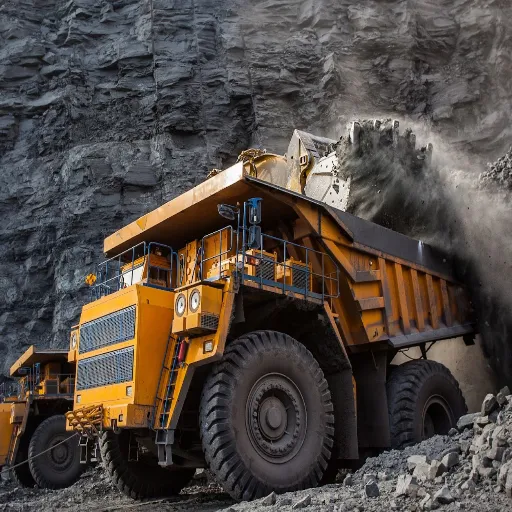
Mining operations require power distribution systems that can provide a continuous energy supply to their operational processes, including drilling, crushing, and ore processing activities. The mining operations depend on transformers to deliver electric power efficiently between different areas of their extensive mining territory. The recent transformer technology advancements now provide mining operations with improved energy efficiency and sustainable operational capabilities throughout the industry.
The market demand for high-efficiency dry-type transformers has grown because these transformers now deliver better thermal performance combined with reduced energy losses while maintaining operational functionality during extreme weather conditions. Recent studies show that these transformers achieve efficiency rates above 99%, which results in decreased electricity waste and reduced energy expenses for mining companies. The development of monitoring system innovations through IoT technology-based sensors enables real-time transformer performance observation, which facilitates the detection of potential failures before they happen. The manufacturing industry reports that businesses that adopt predictive maintenance systems can expect their operational downtime to decrease by 40% while their maintenance costs drop by 30%.
The mining industry now uses renewable energy-powered transformers as its new sustainable energy solution. The mining sector achieves its carbon reduction targets by using advanced transformers that operate with solar and wind energy sources to reduce its need for fossil fuels. Modern transformer technologies demonstrate how new developments can transform traditional industrial operations into systems that protect worker safety and environmental resources while achieving operational efficiency.
Challenges Faced in Transformer Implementation
Mining operations encounter obstacles when they attempt to implement renewable energy-powered transformers, which deliver significant benefits to their operations. The primary challenge involves the expensive initial costs needed to purchase and install both renewable energy technologies and advanced transformer systems. According to recent data, the cost of setting up solar energy systems can range between $1 to $3 per watt, depending on the region and scale, which, combined with the price of high-capacity transformers, creates financial barriers for many operations in resource-limited areas.
The intermittent operation of renewable energy sources creates another obstacle for systems that depend on them. Solar and wind energy systems must have energy storage solutions because their power output varies according to weather conditions. The high costs and environmental issues associated with material extraction and waste disposal prevent lithium-ion batteries from being used as the main battery technology for modern systems.
The mining industry faces operational difficulties that arise from its work in remote areas that have both adverse weather conditions and difficult terrain. The renewable energy infrastructure requires a complete planning process, which needs significant resources to succeed in maintaining all system parts, including transformers. The remote locations create problems because they lack both internet access and available skilled workers who can provide technical assistance.
The current power grid needs upgrades, which include smart technology systems that can manage renewable energy sources effectively. Developing regions report that almost 50% of their mining operations lack modern grid connections, which creates obstacles for adopting green technologies, according to a 2023 global energy report.
Research funding needs to happen, government subsidies should be established, and mining companies must work with technology providers to create solutions that will solve current problems. The industry needs better energy storage systems, lower equipment prices, and versatile transformer systems to solve existing problems.
Reference Sources
-
Mathematical model for the management of the wave processes in three-winding transformers with consideration of the main magnetic flux in mining industry
This paper explores the mathematical modeling of wave processes in three-winding power transformers used in the mining industry. -
Economic criteria for optimizing the number and load factor of mining transformers
This study focuses on optimizing the number and load factor of mining transformers to improve efficiency and cost-effectiveness. -
Enhancing Microseismic Signal Classification in Metal Mines Using Transformer-Based Deep Learning
This paper highlights the use of transformer-based deep learning for improving microseismic signal classification in mining operations.
Frequently Asked Questions (FAQs)
What are heavy-duty transformers, and why are they important in the mining industry?
Heavy-duty transformers function as electrical systems that provide power to mining equipment under extreme voltage conditions and extreme environmental conditions that exist in mining locations. The system serves two main purposes, which include delivering power to heavy machinery and maintaining proper equipment operation while matching power requirements. Mining operations require durable equipment that operates efficiently to achieve optimal productivity throughout their operational periods.
How do energy storage solutions benefit mining operations?
Energy storage solutions deliver major advantages to mining operations because they provide a continuous power supply that operates independently of grid connection and remote site locations. The systems operate by storing excess electricity, which occurs during low-demand times and releasing it when electricity usage reaches its highest point, which results in lower operational expenses and better energy performance. The systems enable mining sites to use renewable energy sources, which include solar and wind power.
What advancements are being made to reduce transformer costs in mining?
Three areas of development, which include materials science and manufacturing methods and modular transformer designs, create pathways for cost reduction. Companies are investing in research and development to create more efficient power systems, reduce the size and weight of transformers, and enhance their adaptability to different mining environments. Mining companies gain from cost-effective solutions that arise through government subsidies and public-private partnerships.
Why is modularity crucial in transformer solutions for mining?
Modularity functions as an essential component for mining operations because it enables transformers to function in both temporary locations and locations that require future expansion. Companies can quickly transport modular transformers because these systems enable easy installation and maintenance procedures which help companies manage power requirements through changing infrastructure. The system provides businesses with flexible installation procedures that help them decrease costs and solve problems related to energy distribution.
Are there challenges associated with implementing green technology in mining transformer solutions?
The process of integrating green technology into mining transformer solutions faces multiple major obstacles that need to be resolved. The main obstacles that need to be addressed include high initial costs, technical difficulties with existing systems, and insufficient advanced energy solutions in isolated mining sites. The renewable energy integration solutions, energy storage innovations, and government incentives are creating pathways to overcome the existing barriers.
How are government policies influencing investments in mining transformer innovations?
Government policies provide essential support to the mining industry through financial incentives, which include subsidies and tax incentives, and grants that promote the use of cleaner and more efficient energy technologies. The policies support research and implementation of flexible transformer designs, energy storage systems and renewable energy solutions, which drive technology progress while enabling environmentally sustainable mining activities.