

Hospital & Healthcare Transformers: Critical Power Solutions

Hospitals and healthcare facilities need dependable power sources because their operations depend on continuous power availability. Healthcare facilities require specialized transformers that supply their power requirements. The article investigates essential power systems that show their unique operational characteristics and their specific problem-solving capabilities, while transformers need to meet particular requirements for serving healthcare demands. The following text explains how essential components protect operations while creating actual benefits for healthcare facilities.
Understanding Transformers in Healthcare
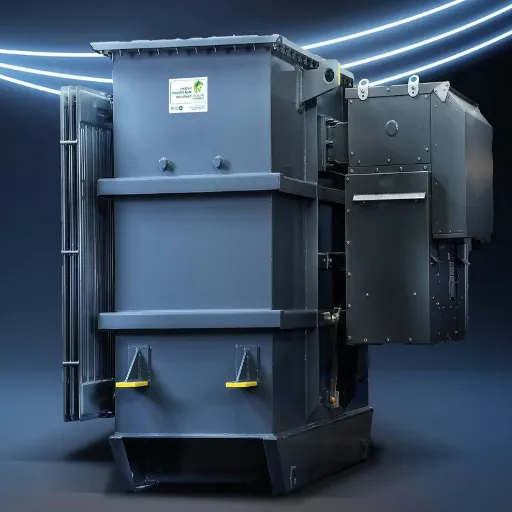
The Role of Transformers in Hospitals
Transformers serve hospitals by supplying electricity through continuous power delivery, which protects against electrical system failures. The modern healthcare system needs advanced medical equipment, which includes MRI scanners and ventilators, and life-support systems that require a constant power supply with no breaks. Transformers maintain voltage stability, which allows delicate equipment to receive exact power requirements for its secure and efficient operation.
The essential task of isolation transformers in hospitals exists because they provide hospitals with crucial protection against dangerous power line currents, which could harm patients and medical equipment. The global market for medical isolation transformers shows increasing demand because it is expected to grow at a compound annual growth rate of 6 percent between 2022 and 2030, according to recent data about the market.
Transformers combined with uninterruptible power supply systems create a protective system that ensures hospital operations continue during power outages. The National Fire Protection Association (NFPA) mandates that hospitals maintain emergency power systems that can activate within 10 seconds of a failure, showcasing the importance of reliable transformers in meeting these safety standards.
Transformers function as vital parts of the healthcare sector because they safeguard essential systems while their energy-saving features enable hospitals to maintain medical operations during emergencies. The growing complexity of healthcare systems will require Transformers to provide essential support according to ongoing technological advancements.
Types of Transformers Used in Healthcare Facilities
- Isolation Transformers
Medical facilities use isolation transformers as protective devices that safeguard both patients and their medical equipment. The transformers create electrical boundaries that separate power sources from equipment to which they deliver power to which helps protect users from electrical hazards while reducing power supply voltage changes. According to recent industry data, isolation transformers are capable of achieving a reduction in stray electrical currents by up to 97%, which is essential in sensitive environments like operating rooms and intensive care units. - Step-Down Transformers
Step-down transformers operate by transforming high-voltage electricity into reduced voltage levels, which equipment in hospitals needs to function safely. The surgical lights and imaging devices, and patient monitors function at specific voltage levels, which step-down transformers maintain. Modern step-down transformers reach conversion efficiency rates above 98% according to research, which demonstrates that these systems experience minimal energy loss during operation. - Autotransformers
Autotransformers function as compact and efficient devices that perform well in MRI machines and diagnostic imaging systems. The system delivers precise voltage control needed for advanced medical equipment operation, which results in improved performance and reduced equipment degradation. - UPS-Integrated Transformers
Uninterruptible Power Supply (UPS) systems with integrated transformers are essential for critical areas such as operating theaters and life support systems. The transformers maintain continuous power delivery during power failures. Data highlights that UPS-integrated systems typically provide power backup for crucial hospital operations lasting anywhere from 30 minutes to several hours, depending on the load capacity.
Healthcare facilities achieve outstanding electrical system reliability and safety and operational efficiency through the use of specialized transformers, which fulfill modern medical technology requirements.
Importance of Medical-Grade Transformers
The healthcare sector requires medical-grade transformers because these systems ensure an uninterrupted power supply to medical facilities while safeguarding both medical apparatus and patients. The protective transformers use their special design, which creates voltage control to safeguard medical equipment against electrical dangers by stopping current flow and power surges. The global medical transformer market, according to a recent market analysis, will achieve a compound annual growth rate (CAGR) of 5.3% between 2023 and 2028 which will result in a market value of about $2.3 billion by the end of the forecasting period. The ongoing growth in technology adoption by hospitals demonstrates that hospitals need dependable power systems to support their technological advancements.
The medical facility needs medical-grade transformers because these systems enable their complete operational capacity while meeting all IEC 60601 safety standards for medical electrical devices. The transformers enable permanent operation of modern MRI scanners, which need 300 kW of power for their complete operation. The data indicates that facilities that use isolation transformers experience 20 to 30 percent less downtime because of electrical disturbances, demonstrating the importance of these transformers for maintaining continuous operations.
The implementation of these transformers enables hospitals and clinics to protect their infrastructure from power surges and electrical interference, which can lead to equipment failures. The system protects high-value medical equipment while maintaining essential operations in environments where life-saving treatments take place. The healthcare system needs medical-grade transformers that protect future developments because medical applications have become increasingly complex.
Isolation Transformers in Medical Settings
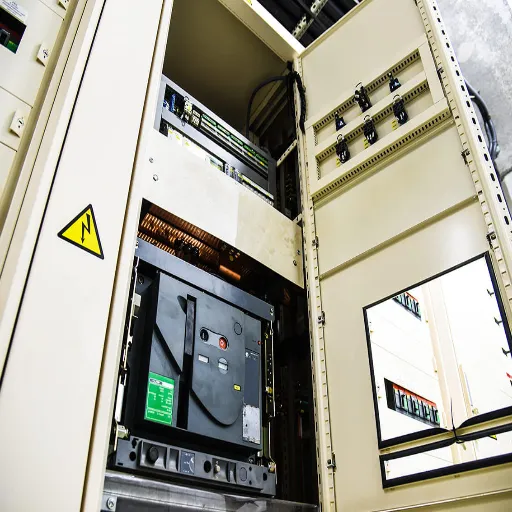
Functionality of Isolation Transformers
Medical facilities depend on isolation transformers because these transformers enhance both electrical safety and operational efficiency of medical equipment. The primary function of these devices is to create electrical system separation, which prevents equipment from directly connecting to the primary electrical supply. The system generates galvanic isolation, which protects staff and patients from electric shock hazards. Medical-grade isolation transformers typically use multiple insulation and shielding layers to achieve high performance in critical environments such as operating rooms and intensive care units.
According to industry data, modern medical-grade isolation transformers can reduce leakage currents to below 300 microamps, which helps hospitals meet strict safety requirements, including IEC 60601-1. The devices protect sensitive equipment such as MRI machines and ventilators by stabilizing voltage levels, which prevents power fluctuations from damaging the equipment. The hospital industry has experienced a decrease in equipment failures because isolation transformers are used, which leads to a 25 percent reduction in equipment failures when hospitals use strong electrical isolation systems.
Healthcare facilities that implement advanced isolation transformer technology create safer operational spaces that maintain efficient patient care standards without any compromises.
Benefits of Isolation Transformers in Hospitals
Isolation transformers deliver critical power system protection that medical facilities need to support their essential operational requirements. The system protects both patients and medical personnel through its design, which prevents electrical shocks by creating an electrical barrier between the power source and medical equipment. The recent industry study found that hospitals that use advanced isolation transformers experience power interruptions and equipment breakdowns at a rate that decreases by 25 percent, which leads to better overall performance.
Isolation transformers provide essential protection against electromagnetic interference (EMI), which protects medical devices that require special protection, including MRI machines and heart monitors. Research shows that EMI interference can cause equipment malfunctions responsible for nearly 15 percent of technical errors in diagnostic and monitoring devices, which shows that isolation transformers need to provide noise suppression.
The system provides an additional advantage through its energy-efficient operation. Hospitals benefit from reduced operational expenses because modern isolation transformers have developed lower energy losses. The facilities that implement energy-efficient transformer designs report annual power savings that range between 5 and 10 percent.
The implementation of advanced isolation transformer solutions enables hospitals to maintain a continuous power supply, protect expensive medical devices and improve patient results by delivering uninterrupted medical services.
Specifics of Hospital Grade Isolation Transformers
The hospital-grade isolation transformers need to follow both strict safety requirements and performance requirements for their design. The transformers function as essential components within healthcare systems because they prevent electrical interference from reaching medical equipment while protecting both patients and staff from electric shock hazards. The transformers enable medical equipment to create electrical faults while they ensure that critical medical devices continue to function.
Research shows that hospital-grade isolation transformers achieve more than 95% efficiency, which results in negligible energy wastage according to current industry data. The devices function according to fundamental safety standards, which UL 60601-1 and IEC 60601-1 establish for assessing medical electrical equipment performance.
The system now includes a real-time monitoring system, which serves as its most important enhancement. The advanced models now allow engineers to monitor system performance through IoT (Internet of Things) connectivity, which enables them to track load capacity, temperature, and power consumption. Modern isolation transformers provide load capabilities that exceed 100 kVA while they maintain constant output voltage, essential for critical medical equipment such as MRI machines and ventilators.
The latest case studies demonstrate that transformer implementation reduces hospital equipment failures linked to power issues by 20%. The system establishes dependable operations that protect patient safety while enabling medical procedures that need an uninterrupted power supply.
Power Reliability and Redundancy
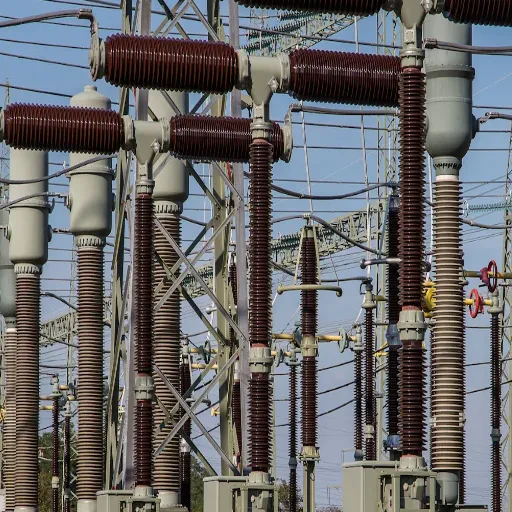
Critical Need for Uninterrupted Power Supply
Hospitals and medical facilities require dependable power systems because they need continuous electricity to safeguard their patients and provide medical treatment. The latest data shows that a single power interruption causes hospitals to lose between 1 million dollars and 5 million dollars in immediate operational expenses, while their reputation and patient care will also suffer from the ensuing consequences. Medical equipment such as ventilators and dialysis machines, and surgical instruments need continuous electrical power to function at their highest efficiency. The energy requirements of healthcare facilities continue to grow because worldwide hospital energy usage will increase between 3 and 5 percent every year because of advancements in medical technology and extended equipment runtime.
The hospitals need this solution because they require specialized power protection through uninterruptible power supply (UPS) systems and backup generators. The advanced UPS technology uses intelligent transformers to provide instant power backup during outages, which maintains system downtime at less than one millisecond. The Energy Information Administration (EIA) reports that hospitals with effective power management systems can extend their operational time for essential medical equipment by 30%. The medical field requires electricity to operate because hospitals need dependable power sources that help them fulfill their operational needs while safeguarding their patients’ and employees’ health.
Surge Protection and Hospital Equipment
Hospitals need to protect their sensitive equipment from power surges because these surges can damage their expensive medical devices and disrupt their hospital operations. Current sector research shows that power surges account for most equipment failures, which cause hospitals to lose millions of dollars in damages every year. Modern surge protection systems use advanced technology to protect equipment from voltage spikes, which can damage MRI machines, ventilators, and patient monitoring systems. Equipment malfunction rates decrease by up to 60% when hospitals adopt hospital-grade surge suppressors, according to study results from recent research.
Power surges originate from the facility according to electrical engineering research because high-energy equipment experiences sudden power changes. Surge protection systems should be installed throughout the facility because they protect against internal threats while working together with external lightning arrestors to provide complete protection. The hospital system requires this investment because it helps the organization maintain continuous operations while reducing expenses and preserving essential patient care.
Redundancy in Power Systems for Life-Saving Equipment
Hospitals need power system redundancy because it guarantees the continuous operation of their life-saving medical equipment. Hospitals operate their complete system through uninterruptible power supplies (UPS), which function as backup power systems together with emergency generators during power interruptions. The National Fire Protection Association (NFPA 110) standards require US hospitals to maintain 96 hours of backup power for essential medical equipment, according to a recent report.
Healthcare facilities use dual power sources, which combine renewable energy systems like solar panels with grid power for their advanced resilience. The research shows that renewable energy integration leads to a 30% reduction in traditional generator use, which provides both cost advantages and environmental improvements. The N+1 and 2N redundancy systems enable facilities to maintain their operational capabilities because they operate their backup systems during emergencies. Current developments in power infrastructure require organizations to develop power systems that provide dependable service, together with environmentally friendly solutions.
Energy Efficiency in Hospital Transformers
Managing Operational Costs through Efficiency
The environmental programs of hospitals become more efficient because they use energy-saving capabilities from their transformer systems to reduce their operational costs. Recent findings show that hospitals use 10% of commercial energy resources with their heating systems, ventilation systems, and air conditioning systems, and medical devices consume major portions of that energy. Facilities that upgrade to high-efficiency transformers achieve 3-5% energy loss reduction, which leads to financial benefits that accumulate throughout the years.
The implementation of amorphous core transformers demonstrates a 80% efficiency advantage over traditional silicon steel core transformers when operating under the light load conditions that hospitals typically experience. The implementation of advanced monitoring systems will enable hospitals to monitor their energy consumption in real time, which will enable them to detect energy waste and improve their operational efficiency.
The combination of renewable energy sources with solar panels and combined heat and power systems, which operate alongside transformers, has demonstrated financial benefits through its implementation. The 2022 case study showed that the 300-bed hospital system achieved annual energy cost reductions of $250,000 after implementing the system, which also helped the hospital decrease its carbon emissions.
The adoption of efficient transformer technology, together with energy optimization processes, enables hospitals to control their operational expenses while fulfilling their commitment to environmental sustainability through energy-efficient initiatives that help them reach global sustainability goals.
Medium Voltage Transformers and Their Impact
Healthcare facilities depend on medium voltage transformers to provide power distribution systems that operate both reliably and efficiently. The transformers function within a voltage range that starts at 1 kV and ends at 36 kV while they convert electricity to the necessary voltages with minimal power loss during transmission. The U. S. Department of Energy report shows that using high-efficiency medium voltage transformers leads to energy performance improvements that reach 30% maximum.
The amorphous core transformer system represents a modern transformer design that achieves substantial energy savings for its users. The 2023 whitepaper showed that these transformers enable a 300-bed hospital to save about 1,000 MWh of energy every year, resulting in more than 500 metric tons of CO2 emissions reduction per year. The implementation of smart monitoring systems into medium voltage transformers enables both real-time system optimization and predictive equipment maintenance which decreases expenses while enhancing system performance.
Healthcare organizations use funding for advanced transformer technologies to create sustainable operations, which help them achieve new energy efficiency standards mandated by regulatory agencies. The improvements show how medium voltage transformers function as essential components for developing future energy systems which hospitals and similar facilities will need.
Choosing the Right Transformer for Energy Savings
The process of choosing the correct medium voltage transformer system serves as the critical factor that enables healthcare institutions to achieve their energy efficiency targets and financial savings. The latest findings show that hospitals use about 5 percent of total industrial energy consumption throughout the world because medium voltage transformers determine how energy flows through their systems and how much energy they will save. The transformers that conform to both DOE 2016 standards and EU Eco Design Tier 2 standards operate with high efficiency because they achieve a 30 percent reduction in energy losses when compared to previous transformer designs.
The selection process for transformers requires evaluation of both load profile requirements and life cycle cost factors and compatibility with renewable energy sources. Amorphous metal core transformers demonstrate reduced core losses, which lead to long-term cost savings and decreased carbon emissions. Intelligent transformer monitoring systems provide real-time diagnostics together with fault detection, which helps maintain a continuous power supply for medical facilities.
Dry-type transformers eliminate the requirement for oil insulation, which leads to enhanced safety and sustainability. The hospital environment benefits from their presence because they require minimal maintenance and produce almost no environmental pollution. The adoption of these technical advancements, combined with industry standards and cutting-edge technologies, enables healthcare institutions to achieve improved energy efficiency while advancing their environmental sustainability goals.
Reference Sources
-
Evaluation of the Optimal Connection of Power Transformers in the Substations of a Hospital
This study evaluates energy demand and transformer connections in hospital substations. -
From blackouts to breakthroughs: Examining electricity’s relevance in healthcare during COVID-19 and the future role of renewable energy – A literature review discussing power supply challenges in hospitals and the role of renewable energy.
Frequently Asked Questions (FAQs)
What makes transformers essential in hospital environments?
Hospitals depend on transformers for their fundamental operation because these systems provide an uninterrupted power supply, which medical equipment and essential hospital services need to function. Hospitals need constant electricity because their life support systems, diagnostic equipment and medical procedures depend on stable power, which is sensitive to voltage changes. Healthcare transformers meet this requirement by delivering dependable performance, which protects equipment through their high safety and operational capacity.
How do dry-type transformers enhance safety in healthcare facilities?
Dry-type transformers use air insulation, which eliminates the need for oil insulation, thus reducing both fire hazards and environmental risks that result from oil spills. The transformers use air insulation, which lets them produce low sound levels that make them suitable for use in quiet spaces such as hospitals. The equipment uses self-extinguishing materials, which protect critical power areas while meeting healthcare standards for operation and safety requirements.
What are the key energy efficiency benefits of modern healthcare transformers?
The current healthcare transformers use next-generation core materials and modern technologies, which create substantial energy savings. The system helps facilities to decrease their operating costs while also decreasing their harmful effects on the environment. Sustainable energy-efficient transformers help hospitals achieve their environmental targets while maintaining dependable performance during peak operational times.
Why is low maintenance critical for hospital transformers?
The operational procedure of hospital transformers depends on low maintenance because it reduces equipment downtime, which can disrupt essential services for patients. The implementation of sealed enclosures in dry-type transformers prevents equipment damage from moisture and environmental pollutants, which leads to longer operational periods with sustained performance. Healthcare institutions depend on this reliability to maintain their operations without needing constant power system checks.
How do healthcare transformers contribute to sustainability?
Healthcare transformers support sustainable development through their use of sustainable materials and their efficient designs, which minimize energy use and greenhouse gas production. The need for oil-based insulation is eliminated by dry-type transformers, which helps create sustainable practices because oil disposal presents significant environmental challenges. The adoption of these transformers helps hospitals achieve environmentally friendly operations while maintaining their efficiency in medical operations.
What standards govern the use of transformers in healthcare?
Healthcare facilities require their transformers to comply with specific safety standards, which ensure both reliability and operational effectiveness. The National Electrical Code (NEC), ISO standards, and local energy efficiency guidelines present specific requirements that need to be followed. The standards assist healthcare facilities in achieving safe, eco-friendly operations while fulfilling their governmental requirements and operational needs.