
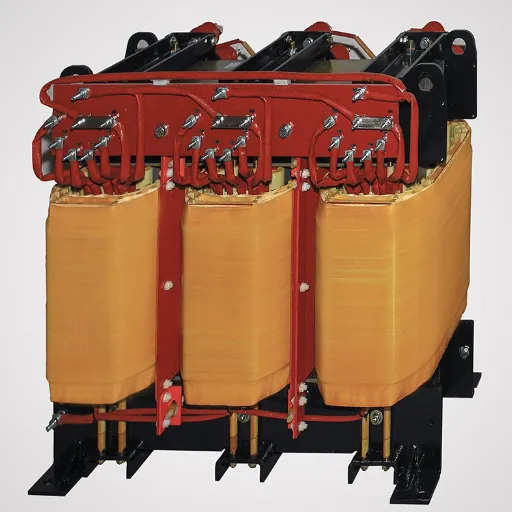
Marine & Offshore Transformers: Special Requirements

Marine and offshore environments are some of the harshest conditions for electrical equipment, calling for specific strategies that enhance safety, reliability, and performance. Transformers for such settings have to endure not only extreme temperatures, or excess moisture but also exposure to saltwater which leads to corrosion. Of course, it is needless to say that energy conservation is crucial as well as compliance with international safety standards is adhered to. In this writing, I will grapple with marine transformer and offshore transformer’s problems that make them different than other transformers such as the key points regarding their design and regulation and how they make operations in the said environments possible and safe. If you are an expert in the field concerned or even if you just want to understand better the marine electrical system, you will do so by examining the reasons behind the importance of the said transformers in advancing the offshore industry.
Understanding Marine Isolation Transformers
What is a Marine Isolation Transformer?
Marine transformers are unique kinds of equipment used on ships so as to safely channel power (current and voltage) from an outside source to the ship’s electrical system while both systems remain isolated. This limits, for instance, the number of electrical bridging connections found between marine facilities and vessels, minimizing the occurrence of electrical problems such as ground loops or stray currents that can in turn cause corrosion and damage to the vessel’s equipment.
This isolation is possible through the principle of electromagnetic induction. This means that the power from wal-lock is passed across the primary winding of the transformer. It is from the magnetic field produced by this that electric current is induced in the secondary winding stocked with power going to the ship. In practice, any conductive link is avoided between the shore and the ship thereby increasing safety eliminating noise and safeguarding the onboard sensitive electrical appliances against any disturbances or irregularities from the shore supply.
The marine transformer partitions the electrical infrastructure of certain ships to improve system performance and satisfy world shipping safety regulations. In most cases, they handle the issues of galvanic isolation and/or voltage transformation of the electricity supply from the shore to the vessels, which enables one to achieve flexible control of the electrical systems on these vessels. They bear the merits of a rigid design and the capability to adapt under rough working conditions out there in the sea for it is a requirement on almost all the vessels of good quality in particular those that operate in conditions where electrical and physical safety issues are emphasized.
Key Features of Marine Isolation Transformers
Marine transformers are built to provide safety, reliability and flexibility in marine power systems. They incorporate the following design features:
- Provides Electrical insulation: Another function of marine transformers is to ensure that the shore power connection is galvanically separate from onboard appliances’ circuits. This helps in the prevention of nuisance faults such as ground loops and stray currents which cause corrosion and sometimes result in safety hazards.
- Provides for Voltage Transformation: These offer a means for reducing or increasing the shore power voltage in line with the vessel’s input voltage. This is crucial for ships landing at different ports with different voltage requirements so that the ship does not need to make any major changes on board to maneuver.
- Inhibits Galvanic Corrosion by insulating the System: The use of marine isolation transformers provides an alternative to the galvanic corrosion problem, which involves the external shore electricity supply. It is a necessary protection to prevent even the hull and other metallic items accessible in an underwater environment from deterioration especially when such battleships are kept in water for long periods or permanently.
- Protection from Overload and Cooling States: Current progresses in isolation transformers that come with protection against overloads and create perfect neighborhoods suitable for energy usage. Such devices are very effective at adjusting any load in any environment without allowing overheating and early damages under any conditions.
- Durability: Marine isolation transformers are built to withstand all the aggressive conditions one might come across in the sea. They are resistant to any sort of corrosion, any sort of moisture; moreover, vibration. Such material secures performance and reliability for a Should there be vessels which, for example, operate in harsh environments and which are built as either all sea duty function vessels or expedition vessels.
One of the most needful pieces of equipment that all vessels must have in their electrical systems is a marine transformer, also known as marine isolation transformer. The reasons behind the production of these equipment elements vary, including the galvanic isolation and reduction, the turns ratio of the transformer, as well as the protective explained in detail operation of the equipment.
Benefits of Using Isolation Transformers in Marine Environments
- Dolby Power Dry Clean System: Power Dry Clean endeavors to effectively eliminate the metallic surfaces of any best tub, whether on land or sea, from experiencing electrochemical corrosion. By eliminating any contact of the power source, the transformer herein addresses the risk of expensive damages to those functional systems.
- Power Conditioning: These transformers can be used in the transmission of voltage to hundreds of systems involving different standards in the supplied power for a piece of equipment on ships. Such capabilities equally enable the conditioning of voltage and hence devices that are prone to power fluctuations are also afforded protection from such conditions thereby maintaining optimal levels of effectiveness in hyper active marine environments.
- Increased Security Levels: Marine isolation transformers allow ships to comply with international security standards with ISO and IEC being some such examples. They help to eliminate the possible occurrence of short circuit, overloading, stray voltage and such kind of issues which are of paramount importance when it comes to safe placating of individuals and adhering to maritime laws.
- Minimization of Electrical Discharge and Disturbance: Isolation transformers play an important role in the functioning and synchronisation of communication and navigation systems by reducing EMI and electrical noise. This property is especially important when the techniques are used for air control, where precision and dependability are required in many operational sectors.
- Extension of Life Expectancy of Equipment: The use of isolation transformers in energy systems on vessels provides an effective protection of equipment on board against electricity and voltage fluctuations, reducing the rates of attrition of equipment. Such a protective mechanism not only extends the lifecycle of the equipment requiring repair but also systems that are critical saves a lot of money in the long run.
Technical Specifications of Marine Transformers
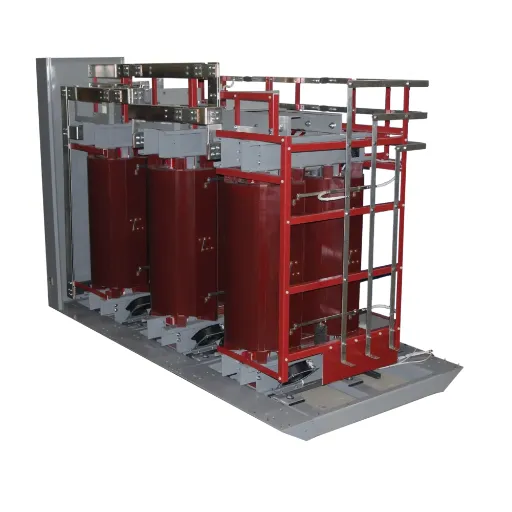
Design Considerations for Maritime Use
A marine transformer should be designed keeping in mind the peculiar operational and environmental aspects that it will be exposed to. The major thing that needs to be considered is that they have to have the ability to withstand harsh conditions which include a lot of moisture and salt, and also heat. For these purposes, such transformers are usually manufactured in very strong, anticorrosive casing, usually made of stainless steel, or marine grade aluminium. Additional coatings or marine grade epoxy coatings may help with this integration.
Thermal management is also as equally important. There is limited space or no space for ventilation as it is on the ship and hence transformers are provided with necessary cooling capabilities such as forced ventilation and liquid cooling for safe handling of operational overload. Also, heat-resistant insulation materials are used to adapt to the given temperatures and support the operation.
When it comes to the production of electrical systems for ships, electrical insulation and protection protocols should dominate. As such, the elements in consideration include elements such as galvanic insulations which prevent undesired consequences of stray current corrosion, practical grounding systems as these are essential in case of electrical defects. The rules established by various bodies including the IEC 60092 standard for most common types and the widely used ABS marine certificate should be followed without exception as a means of ensuring safety reliability and performance.
In the end, more elegantly structured designs have surfaced; ones that are slightly more compact and modular in order to ease installation within enclosed spaces on ships and other marine vessels. They design transformers that best maximize the space available without reducing the capacity or efficiency of the system which is usually in place or any of the prevailing operational conditions. It indicates that even these complex design concepts are engineered in such a way that even pressure levels specific to marine transformers are largely surpassed.
Electrical Safety Standards for Marine Transformers
Fundamentally, stringent electrical safety procedures have to be implemented in the realms of marine transformer operations to guarantee efficient performance even in the exigency conditions of sea travel. Among the most significant standards is the IEC 60092 – International Electrotechnical Commission code – which sets forth the basic requirements for the electric installations in ships and offshore units. Some other regulations such as IEEE 45 also help in providing and explaining all the necessary procedures for controlling and maintaining the vessel’s electrical systems, which also includes insulation resistance, thermal behavior and cycle withstand abilities.
To ensure that the electrical risk is handled properly, the marine transformer is also checked for approval by Det Norske Veritas (DNV) (Lloyd’s Register), which includes the society’s norms regarding safety and quality. These safety measures require features like extra coating in order to prevent sea-erosion as well as strong bonds to the earth to prevent short circuits and casing resistant to flame. Moreover, the marine transformer is fitted with a system for monitoring the temperature of the wound transformers in order to avoid overheating and protect the sensitive onboard equipment from power surges.
Efforts to reduce operating risks of marine vehicles have in the recent past been achieved through the advancement of insulation technology, which utilizes high-temperature insulating materials, like Class F or Class H materials. Therefore, are among many other measures that are supported by consistent adherence to testing technologies and certification programs that regulate the performance of marine transformer units in structural and operational environments considered harsh.
Corrosion and Reliability in Marine Applications
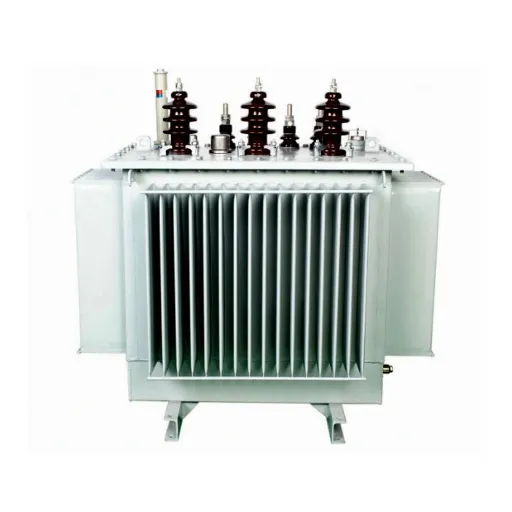
Understanding Galvanic Corrosion
Corrosion caused by a galvanic series is basically when different metals that are conductive gets in contact with each other and commonly acts as conductors in the presence of an electrolyte such as sea water. This reaction will preferably take place if there is an electrode potential difference existing between two metals, hence the less stable one (more anodic) is expected to corrode for it loses electrons smoothly than the other. For instance evacuation of marine transformer towers by steel/aluminum as a result corroded aluminum while steel is prima facie conserved from corrosion forces. This corrosion phenomenon is a major problem especially in marine environments because seawater is both highly conductive and concentrates its corrosive action due to the chlorides causing high accelerated destruction.
Preventing galvanic corrosion depends on an algorithm including both material characteristic analysis and design. The electrochemical compatibilities of materials can help reduce potential and thereby the corrosion rate. Other types of materials that are insulating, for instance non metallic gaskets or coatings, prevent direct material contact and galvanic action of dissimilar metals. Another popular solution is the installation of ‘sacrificial’ non ferrous materials, e.g. zinc or aluminum or magnesium, which corrode instead of protecting the main structure or machine for longevity. Sacrificial anodes need to be replaced on a regular basis, maintaining it at the desired level. An interesting example of this drying agent application is in marine transformer equipment used for both power and impulse transformers.
Predictive modeling as well as surveillance and real time tracking have made it easier to coalesce galvanic corrosion control. Such models allow users to assess the structural composition of the electrolyte, assess its thermal properties and flow rate to aid prediction of corrosion rates across different ranges. Coupled with corrosion resistant materials and sophisticated coating systems from other sectors the life spans of seafaring structures in operation such as vessels, pipes, and electrical components has been enhanced over the years. It is of utmost importance to maintain a galvanized mode of address in occurrence of galvanic corrosion as it ensures a consistent and effective marine structural engineering process.
Materials and Coatings to Enhance Reliability
Choosing superior materials and specific coatings is very important if you are to promote enhanced and reliable characteristics for various forms of critical marine operations. Superior materials in the form of duplex stainless steel and titanium alloys come in handy because of their enhanced properties of resisting corrosion along with mechanical forces and water forces even at high temperature and pressure. These materials do not undergo rusting for long even when subjected to salt water and very high pressure conditions or even collapsing the structure with time.
These materials are generally supported by current generation coatings which are engineered to offer even more protection. Example, epoxy based coatings provide better bonding to metallic surfaces and work very effectively is chemically explosive areas like splash zones and underwater applications. Besides, thermal sprayed aluminium coatings are popularly used worldwide to protect equipment from long term effects of crevice and galvanic corrosion especially within offshore oil and gas structures.
Future research in the field of nanotechnology will unquestionably develop another type of smart surface coating, that is, self-healing coatings that reduce the probability of damage experienced whenever the coating is very valuable. Technologies of such a kind are based on the addition of special microcapsules consisting of repair craters within the coatings, capable of delivering and dispersing self-repair active ingredients whenever the damage is mild and ensuring the form of the surface is maintained and changing structural mechanisms is negated. The market has revealed that when coated marine equipment is placed in harsh environments, or subjected to hot steel, the normal enhancement of equipment life is typically between 20%–30% using the described material, innovations and coating technology.
Engineering solutions including the adoption of new materials and application of modern coatings have made it possible to achieve such high reliability, which is one of the required quality levels, in marine transformer applications.
Maintenance Practices to Prevent Corrosion
It is important to use maintenance practices in order to prevent corrosion from occurring, more so in cases where the systems are subject to elements such as high humidity, presence of salts such as chlorides and extreme temperature changes. A structured technique employs regular check-ups, something that, combined with advanced observation technologies and other preventive measures where need be, is aimed at heading off any weakness,engine weakness commonly before serious damage happens. As an illustration, Ultrasonic or magnetic particle inspection for example are examples of NDT (Non-Destructive Testing) techniques that detect early wear and tear of a structure without destroying its mass.
Also, for the surface treatment and retreatment of coatings, the same is applicable to organization such as NACE International or ISO. Doing away with the contaminant and ensuring standard application on a uniform surface is very crucial in order to achieve an effective protection barrier against oxygen, water, and chemical substances. Additionally, cathodic protection with equipped sacrificial anodes or impressed current systems is still effective against electrochemical corrosion in metallic structures.
To optimize corrosion management strategies, current innovations in predictive maintenance practicesrelated data analytics and IoT – enabled sensors. These innovations enhance the performance of real-time environmental monitoring systems such that operators have the ability to predict and contain corrosive circumstances precisely. By applying these designed practices seamlessly within maintenance,organisations can reduce downtime, increase asset life and adhere to statutory standards.
Power Solutions for Marine Environments
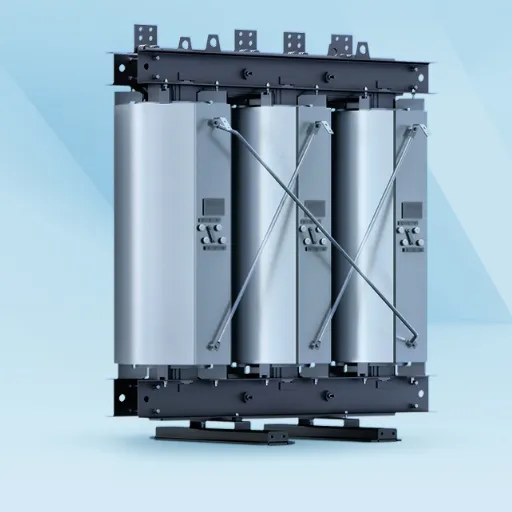
Stable Power Supply Requirements
Difficulties specific for a marine environment are faced by power supply systems and these difficulties are linked to the presence of salt water, high levels of humidity and extreme short-term temperature changes. Continuous power supply is a must to operate later critical systems such as navigation, communication, propulsion and life-saving appliances. For this purpose, power generation and distribution systems should be capable of operating in the harsh environmental conditions and meeting robust standards of the design and construction provided by some organizations such as the International Maritime Organization (IMO) and recognized class shipbuilding societies. In addition, crucial power circuits also should be designed with redundancy of some components in case anything breaks down in the marine transformer system.
Hybrid energy solutions powered by the fusion of traditional internal combustion engines with alternative sources of energy such as the sun and wind are steadily becoming more popular with modern marine transformer ships. In addition to enhancing their energy efficiency, these solutions also support sustainable development by contributing to the reduction of greenhouse gas emissions. For example, the use of lithium-ion battery banks as energy storage solutions helps maintain continuity of power supply during peaks or in case of failure of the generator. State of the art energy management systems (EMS) help optimize energy distribution within different subsystems thus leading to the minimization of operational expenses and enhancement of operational reliability.
Integrating real time diagnosis and predictive maintenance is also crucial in supporting the power supply stability. Smart systems with IoT-based connectivity are capable of run-time monitoring of aspects like voltage stabilization, thermal capability or demand fluctuations for power. The above allows operators to proactively solve problems thus keeping the system online for longer and avoids expensive breakdowns. These new enhancements make marine power systems less vulnerable and more capable of satisfying the increase in requirements of the modern sea going vessels.
Designing for 230V Power Systems
As 230V power design systems pursue hassle and tedium levels into absurdity, every aspect of planning needs to be planned, and most importantly in this case is the compliance with the set out electrical guidelines. The systems has many aspects that need to be considered like for example the load of the system, the size of the conductors and the gears for preventive maintenance. Both calculations on how to distribute load and how to obtain the right equipment without destroying its circuits due to overloading also exist for this reason. The proper choice of insulation and cross section of the conductors is crucial and must be made using appropriate IEC or NEC calculations in order to avoid any possible reduction of current flowing over long distances.
In addition to that, the advantage of using the latest circuit protection devices including mini circuit breakers (MCB) and residual circuit devices (RCD) is that they enhance the safety functionality of this technique because short circuits or ground faults are eliminated. The installation of intelligent instruments improving the service further by monitoring the voltage, current, and power quality in every moment. Such instrumentation facilitates the actions required for preventive maintenance thus preventing disruptions and saving more on operation overheads.
The combination and implementation of the high power economy and engineering details into a 230V systems can result in maximum durability as well as and improvement in efficiency of service provision both in residential and commercial premises.
Innovations in Marine Power Solutions
In recent years, remarkable progress has been made in theories on modern marine power solutions, placing emphasis on energy conservation and environmental protection. The development of hybrid propulsion systems combining diesel engines and battery storage complements this revolution in the industry. Consequently, these systems make it possible for ships to alternate between conventional internal combustion engines and electric motors during operation. This decreases fuel consumption which better decreases emissions rates and costs. The lithium-ion batteries embedded within these hybrid systems can deliver their greater energy density to raise the operating distance with less emissions during i.e., idling or smooth sailing.
There are other breakthrough technologies needed. As of now, there is the introduction of more environmentally transport, namely the use of compressed natural gas for tanker fuel. Vessels fueled with this liquified gas can actually emit minimal SOx, NOx, and PM, therefore allowing for compliance with the expanded rules of the IMO. It is important to note that transport marine transformer also includes energy efficiency improvement techniques such as waste heat technology, which uses heat generated in excess during the working of the engines, for instance, using the thermodi electric or Rcp process.
In addition, innovative digital technology in the forms of real-time performance oversight and sophisticated analysis are changing the conventional way of operation in the maritime sector. With the help of IoT supported sensors and cloud computing data solutions, the operators can monitor energy consumption levels, the need for maintenance and more so maximize the efficiency of the vessels. The equipment gets less wear and tear and consumes less fuel as a result of this data driven strategy and hence in turn lowers maintenance costs. The end results include increased longevity of the equipment and improved safety and reliability in marine transport.
All these developments prepare the ground for such marine power systems which would work with maximum efficiency maximization of ecological standards observing all the strictest environmental requirements and assumptions within this industry and ensuring growth inclinations within its development.
Emerging Trends in Marine Transformer Technology

Advancements in Isolation Transformer Design
Recently, more has been done regarding the design of isolating transformers in terms of increasing energy efficiency, minimizing magnetic losses as well as improving safety of operation which makes them very necessary in the contemporary marine transformer usage. The use of advanced amorphous steel cores significantly decreases the disadvantages of power losses due to the magnetization and demagnetization of the core and eddy currents as opposed to using normal laminated silicon iron core. This modification has enhanced the global efficiency of transformers in relation to the energy efficiency of the apparatus by 30%, which is recommended to satisfy the energy saving strategy.
The use of heavy materials is also becoming a thing of the past in the case of robust and compact designs to withstand aggravating marine conditions such as corrosion due to the presence of moisture and subsequent salt. In the same manner, modern day isolation transformers entail apt thermal management systems and novel cooling mechanisms like forced airflow or liquid media to support continuous service deliveries even judicially or heavily loaded.
One other little detail is that isolation transformers are being embedded with a lot of digital monitoring as well as diagnostic functions. This enable the system to be fitted with IoTs sensors which can monitor simple parameters such as voltage, temperatures and load currents in order to assist in the predictive maintenance measures of the system thereby reducing relyance on system maintenances by operators. All these advancements are brought about by the need to maintain the system in the most accurate manner feasible as well as the international safety and EMC instructions in the design and construction of the marine transformer.
Focusing on the outlying problems that make gross revenue minimal, deteriorating environmental materials, and absence of practice monitoring, isolation transformer makes reduce energy losses due to low operational capacities and improve spreading marine development towards more modern durable systems. Thus, their practical application even helps engineering perfection play a major part in the marine electrical domain development.
Smart Technologies in Marine Power Systems
It has been possible to introduce smart technologies within the field of marine power systems as such technologies enhance the way equipment is operated in regard to operational cost, safety and environmental protection. These modern energy management systems (EMS) that use predictive algorithms make it possible to remotely oversee electrical load currents in real time as well as control electricity supply within individual ships. These software utilize machine learning to prediction the need of the energy in different working modes and so are able to lower the amount of fuel used therefore reducing emissions.
Another area of significant development is the concept referred to as digital twins. Digital twins are computer models of marine facilities such as power systems and provide a platform for conducting performance testing, identifying design faults as well as maintenance programming without cessation of activities. The use of this concept significantly improves the dependability of a given arrangement as it prevents frequent stoppages.
Marine vessels, on the other hand, make use of high-speed communication protocols used in the smart grids to facilitate renewable energy sources like solar panels and wind turbines to be installed on board a ship. Such grids take into account both the source and consumption side of energy to eliminate or at least minimize the use of fossil fuels.
The IoT is another prime factor that enhances the power systems in marine environments as IoT enables the detection and monitoring of data from the sensors installed on electrical networks all over the ship. Such data is used to with regards to abnormal situations, improved energy distribution and adherence to relevant international standards. In combination. innovation and sustainability is what smart technologies are paving the way for new trends in the maritime sector.
Future Directions for Marine Transformers
In the recent past, the design of marine transformer kept evolving due to the increasing need for the market segment. Recent developments in the design of transformers entail amore accurate and sophisticated core of the amorphous metal to deal with huge and complex interactions. These materials are particularly good at minimizing core losses which are among the major sources of energy waste. In addition, the use of digital monitoring tools is soon going to be a necessity if it is not already, with the ease of checks and the ability to perform diagnostics and maintenance in real time. Such systems rely on sophisticated principles, which enable an analysis of the obtained information, hence, promoting stability by decreasing operational shut downs as well as preventing premature failure of the transformers.
The design of transformers that can meet stringent environmental demands, such as high humidity, salt corrosion, and mechanical vibration, forms another axis of focus. Advances in coatings and enclosure techniques ensure that in harsh environments the marine transformer remains operational, and maintains a high quality of service. There is also the increasing adoption of hybrid or full electric ships whereby the transformers have to be modified to be able to fit in and work hand in hand with energy storage and also managing power supply in different current level situations.
Eventually, compliance with adrenaline-fuelled environmental legislation necessitates innovations in green transformer technologies’ practice. An illustration is the application of biodegradable dielectric liquids or the introduction of lean machinery systems. It aligns with global decarbonization targets and this is an improvement that focuses an industry on the supporting of sustainability. The deployment of advanced materials, the use of IT, recyclable methods, and the marine transformer with its full functionality in contemporary and futuristic maritime activities will be realized.
References
-
Studies on Wave and Tidal Power Converters for Power Production
This study discusses marine energy transformers and their applications in wave and tidal power. - Click here to read more.
Frequently Asked Questions (FAQ)
Q: Give a definition of a marine transformer and explain its purpose on ships and yachts.
A: A marine transformer refers to a special-purpose transformer manufactured to marine specifications for power supply distribution especially on-board; these include propulsion and distribution systems. It is essential for marine operation since it provides the capability to control the voltage at the end of the line and the high voltage devices on board. This prevents excessive surges and voltage spikes which may cause permanent damage to sensitive components on the machinery on marine vessels.
Q: For nautical purposes how, do dry type transformers compare to oil immersed units?
A: Marine transformers are used for safe operation of equipment in these environments as all metals in contact with the sea are avoided. Instead, dry-type transformers do not incorporate such fluids. they use solid insulation which makes these suitable for areas without available ventilation and where the risk of fire is high. Dry-type transformers do not involve the movement of liquid dielectric and so are very simple to maintain as vis-à-vis oil filled transformers. They are used in cases where currents from external sources especially earth will interfere with the systems where metal components are attached and/or metallic elements are connected directly to the systems.
Q: Shore power systems can be equipped with marine transformers. Can voltage regulation and current conversion be achieved by these transformers?
A: Of course. This is because marine shore power transformer systems isolaristion transformers, among others exhit however, incoming shore currents and thereby preventing any direct connection by electricity or metallic means in other words, galvanic and stray electrical currents. A properly certified and used marine transformer will deliver the required power for the purpose and lower the inevitable hull damaging hulls and other equipment from excessive currents.
Q: What is the range of transformer designs and specifications that are suited for marine applications?
A: Concerning marine transformers, various arrangements can be supplied both single-phase and three-phase, ranging from low voltage air cooled transformers through propulsion systems’ transformers up to electric propulsion systems’ power transformers. Different configurations may be customized to suit different power needs, types of connections between the primary and secondary, and limitations onboard without compromising efficiency or security.
Q: What are the roles of transformer blocks and converter transformers in electric propulsion and power provision?
A: Both Transformer blocks and converter transformers are effective in transforming ac power for electric propulsion applications by either stepping up or down the voltages. This enables the power electronics to be isolated from the electric supply. These enable power to be equally distributed for both propulsion and hotel loads, as well as reduce harmonics in the installations and avoid straight electric transformation in high power densities so as to enhance the dependability of propulsion and power auxiliaries.
Q: What marine certifications and standards shall I take into account for choosing a marine transformer?
A: Try finding marine transformers that are certified by international marine standards and a certificate from a classification society or societies for standards for vibration, humidity and fire safety for example. The purpose of these certifications is to determine that the transformer is built in regards to the tough considerations of the marine industries, while also providing complete isolation from the electrical scope and ensuring that the transformer operations shall not pose any significant electrical health or equipment hazards in the ship.
Q: How do transformers used in the marine industry particularly in the ports help in emission and noise reduction?
A: Providing long voyage support where there is electric propulsion and efficient shore power system integration, marine transformers are delighted to contribute to reduction in operational costs, emissions and noise. When there is transformer-based shore power support available, emissions and noise are reduced as onboard diesel generators are not relied upon while at dock and the most aggressive environmental prohibitions and pressures of less noisy port operations are met.
Q: Is there a particular level of shielding implemented in marine transformer applications in order not to damage the safety of rather sensitive reduced electronic equipment in a vessel?
A: Transformers used in ships are always characterized by galvanic separation, control of voltage and current, filtering systems for improvement of ac energy quality, protection of appliances onboard against overvoltage transients, including suppress the currents above the stray level in the network. It helps in protecting and ensuring a respectable range of functionalities for communication, navigational and different types of power dependent components which would be impossible without its appropriate placing of this kind of transformer.
Q: In what manner do excess costs consumption and targets preservation in a vessel’s system use a marine transformer?
A: In ship building, voltage and current transformers are built to calculations of functioning in extreme conditions, with very high loads, to minimize energy consumption and servicing. They support stable voltage output and protect corrosion and the damage of the hardware, providing longer service of aboard systems and minimize the costs of repairs and fixations. In doing so, the energy consumption is minimized even though the usage of more energy consuming devices and higher power supplies are provided and managed.