
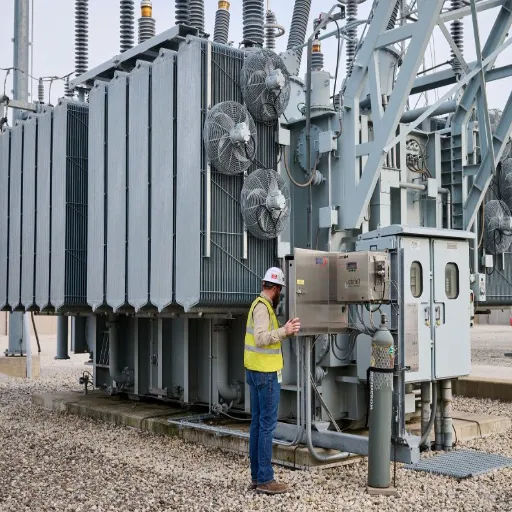
Transformer Retrofitting: When to Upgrade vs Replace

Transformers serve as fundamental elements in contemporary electrical systems because they provide essential support for electricity distribution and system performance. Many organizations need to make a critical choice between two options as their facilities reach the end of their useful life and new technologies emerge. The article examines the intricate process of transformer retrofitting by presenting a structured system that enables you to assess the three components of benefits and costs and risks associated each choice. The process of making strategic decisions requires you to understand when to upgrade your electrical assets versus when to replace them when your goal is improving energy efficiency and meeting new regulatory requirements and extending asset lifespan.
Understanding Transformer Retrofitting
What is Transformer Retrofitting?
Engineers use transformer retrofitting to enhance existing transformers through performance upgrades and reliability improvements and standard compliance modifications without doing a complete transformer replacement. The method applies when the transformer core system operates correctly while its components need better insulation and cooling and operating system updates. Through retrofitting operators can modify their equipment to meet new technological requirements and regulatory standards while reducing their need for new financial investments.
Transformers require retrofitting because energy efficiency needs to improve through this process. Upgrades of equipment usually consist of two main tasks which include replacing old materials together with implementing new technologies that feature modern monitoring equipment and sustainable cooling systems. The modifications lead to greater energy savings which result in decreased operational expenses while the equipment achieves sustainable energy objectives. Retrofitting enables solutions which enhance system performance through better fault handling and increased capacity to handle loads and correction of system failures.
The primary benefit of retrofitting lies in its ability to expand the operational lifespan of transformers. The replacement of old parts together with the solution of equipment deterioration problems enables retrofitting to return the transformer system to its original reliable state. This method proves essential for industrial and utility operations which need to keep equipment running continuously at high costs. Electrical system retrofitting creates a budget-friendly solution which helps essential power infrastructure reach contemporary standards while protecting sustainable environmental practices.
Benefits of a Retrofit Transformer
- Cost-Effectiveness: The process of retrofitting transformers proves to be more budget-friendly than the expense of buying and installing a new transformer. Studies show that retrofitting costs are typically 40-60% lower than the cost of a new replacement unit, making it an attractive option for budget-constrained projects.
- Extended Equipment Lifespan: The process of retrofitting enables transformers to achieve a 15-to-20-year lifespan extension through the replacement of outdated components with new technological solutions. The process decreases replacement needs which creates financial advantages and stable operations.
- Improved Efficiency and Performance: The installation of advanced components, which include low-loss cores and contemporary cooling systems, enables retrofitted transformers to achieve efficiency gains that reach 30%. The system uses less energy while its overall reliability receives enhancement through this improvement.
- Reduced Downtime: The process of retrofitting projects creates less operational disruption because their installation periods are shorter than those of complete system replacements. The process of retrofitting enables industries that require nonstop production to maintain their operational flow while reducing work breaks.
- Environmental Sustainability: The process of retrofitting supports sustainable asset management because it enables material reuse and decreases the need for new production. The process prevents excessive waste and reduces the carbon footprint, aligning with global initiatives for ecological responsibility.
Key Considerations for Retrofitting
The structural condition assessment of existing systems or assets needs to take place before implementing retrofitting projects. The complete evaluation process discovers all potential weaknesses together with material deterioration and design faults which affect the safety and operational success of the retrofit. The examination process depends on complete inspections and trustworthy diagnosis methods which create an accurate base for project planning and implementation while minimizing unexpected problems that might occur during the project.
Cost analysis is another essential factor. Retrofitting needs to establish a middle ground between operational improvements and affordable implementation. The detailed cost estimate requires materials and labor and equipment upgrades and future maintenance expenses to be included in the calculation. Organizations need to evaluate return on investment (ROI) because this process helps them make informed choices which maintain budget limits while they achieve their targeted enhancements.
The assessment process needs to determine how well new technologies and materials work with the current system. The evaluation process requires verification that new components will connect with existing systems without harming performance and safety and durability. The selection of adaptable high-quality technology enables future system growth while decreasing the frequency of required upkeep. Through proper planning and consideration of these factors, organizations will achieve maximum success in their retrofitting projects which fulfill safety requirements and economic needs and operational targets.
When to Consider a Transformer Retrofit
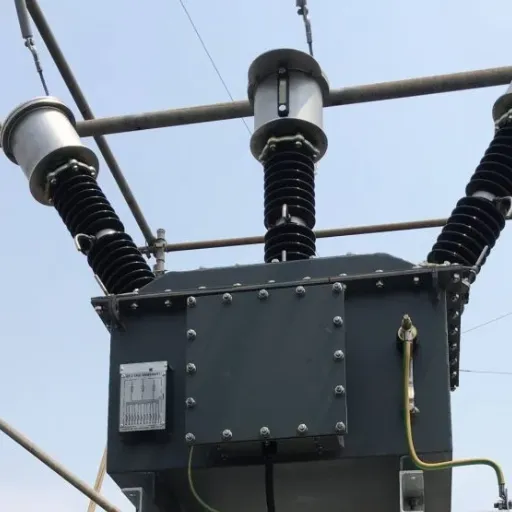
Signs You Need a Transformer Retrofit
The need for transformer retrofitting arises from three main factors which include system reliability and operational efficiency and safety requirements which develop through changing operation needs. The following indicators will help determine when a transformer retrofit needs to take place:
- Aging Infrastructure: Transformers are typically designed with a lifespan of approximately 20 to 30 years under optimal conditions. Your transformer needs retrofitting if it reaches or exceeds this age because retrofitting protects your equipment from problems caused by part deterioration.
- Frequent Maintenance and Repairs: An increase in maintenance frequency or recurring failures can indicate internal issues, such as insulation breakdown, overheating, or core degradation. The process of retrofitting enables organizations to replace outdated systems while solving their existing problems.
- Inefficiency in Energy Consumption: Legacy transformers show noncompliance with current energy efficiency requirements. Excessive losses — including no-load and load losses — may result in higher operating costs, making retrofitting a cost-effective way to upgrade to more efficient, eco-conscious technologies.
- Expansion of Load Requirements: Your current transformer cannot manage the additional load demands which have developed through business expansion and technological advancements. Retrofitting enables you to enhance your system load capabilities through load management and capacity modifications without the need to install new equipment.
- Compliance with New Regulations: The need for retrofitting arises from changes in government regulations and industry standards which require energy efficiency improvements and environmental compliance from organizations that handle SF6 gas.
- Thermal or Electrical Stress Signs: The presence of overheating and strange sounds and oil leaks and DGA test results with high gas readings indicates internal faults that can be solved through retrofitting.
- Technological Obsolescence: The newer monitoring systems and automation technologies for transformers make older transformer systems not compatible with current systems. Retrofitting enables new technology compatibility while enabling organizations to implement predictive maintenance methods.
Facility managers and engineers can improve performance while increasing asset lifespan through proactive management of these indicators which prevent unexpected operational halts. The operation requirements of organizations which change over time in safety requirements and efficiency standards create flexible retrofitting solutions through which organizations can achieve their business goals.
Evaluating Existing Transformer Performance
The assessment of present transformer performance needs researchers to study many different operational metrics together with various operating scenarios. The key performance indicators track three main elements which are load factor and efficiency at different load levels and thermal performance. The load factor analysis determines whether a transformer functions according to its design specifications or operates at either underload or overload conditions which result in hazardous effects that persist over time. Efficiency measurements derived from no-load and full-load loss data show both operational energy losses and the resulting cost implications.
The assessment of thermal performance studies hotspot temperatures together with insulation durability and the efficiency of the transformer’s cooling mechanisms. Elevated hotspots or degraded insulation can signal excessive stress or impending failures. The results from monitoring dissolved gas analysis (DGA) show an accurate assessment of transformer health because it detects problems which include overheating and arcing and partial discharge.
The combination of advanced monitoring tools which include thermographic imaging and intelligent sensors enables organizations to gather real-time data while their predictive analytics functions track emerging patterns and predict upcoming maintenance needs. The combination of these evaluations with retrofitting methods leads to transformers that maintain their efficient operation while producing trustworthy performance which meets the changing requirements of the electrical grid.
Factors Influencing the Decision to Retrofit
The assessment of technical aspects together with operational requirements and economic factors creates the foundation for evaluating transformer retrofitting decisions which enhance asset performance and operational reliability. The assessment process begins with an evaluation of transformer age together with its existing operational state because older transformers experience insulation damage and core losses and decreased operational efficiency. Load demands also play a critical role; transformers operating near or beyond their design capacity are more susceptible to stress and accelerated aging, which leads to equipment breakdowns and grid instability.
Regulatory compliance together with environmental standards protection creates another critical requirement. The update guidelines mandate organizations to upgrade their old transformers so that they achieve modern efficiency standards while decreasing their environmental footprint. The need for retrofitting emerges from technological advancements which provide energy-efficient components together with smart grid compatibility to support the integration of new capabilities according to grid modernization projects.
The decision-making process depends on economic factors which include comparing retrofitting costs with replacement expenses and estimating operational savings. The installation of advanced monitoring systems together with design improvements in retrofitted transformers extends their operational life while creating chances for predictive maintenance which improves investment returns. The power system operator must evaluate all factors involved because they will determine which method best meets present operational needs and future organizational objectives.
Cost-Effective Solutions in Transformer Retrofitting
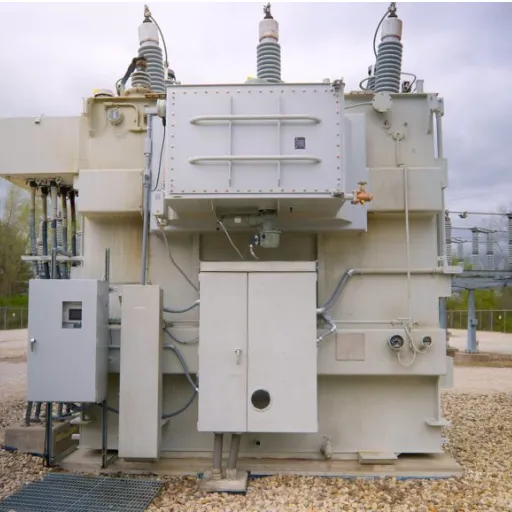
Cost-Benefit Analysis of Retrofitting
The cost-benefit analysis of transformer retrofitting. This process analyzes the financial advantages and operational disadvantages that result from transformer retrofitting. The expenses of retrofitting projects include three main components: equipment upgrades, installation labor, and the costs associated with system downtime during the installation activities. The initial costs of these projects lead to substantial energy savings which results in decreased maintenance costs and lower expenses from unexpected equipment failures throughout the project’s duration. The modern retrofitting solutions use advanced technologies which include high-temperature insulation systems and on-load tap changers and real-time monitoring sensors to enhance transformer operations and extend equipment lifespan.
The return on investment (ROI) shows strong economic dependence on three main factors which include the equipment operational life cycle and the energy savings and the environmentally friendly technology adoption incentives. The results of executed transformer retrofits show that they achieve energy efficiency gains which reach up to 15%. This increase in efficiency creates significant financial benefits for both utility providers and industrial companies. The use of predictive maintenance systems in retrofits decreases the occurrence of unexpected equipment breakdowns by 20%. This reduction results in decreased operational expenses and maintenance costs.
The environmental advantages of retrofitting projects help support contemporary sustainability objectives. The transition from traditional oil-based cooling systems to biodegradable cooling systems decreases environmental hazards and enables operators to receive regulatory benefits and carbon credit program eligibility. Stakeholders achieve data-based decision-making through the detailed assessment of cost and benefit elements which provides pathways to both immediate and long-term operational efficiency.
Comparing Retrofit Costs to Replacement Costs
Retrofitting transformers is generally 40-65% cheaper than full replacements, offering cost-effective modernization.
|
Aspect |
Retrofit |
Replacement |
|---|---|---|
|
Cost |
40-65% less |
High upfront |
|
Lifespan |
Extends 20-25 yrs |
New lifespan |
|
Downtime |
Minimal |
Longer |
|
Flexibility |
Custom upgrades |
Standard design |
|
Eco Impact |
Lower waste |
Higher waste |
Potential ROI from Transformer Retrofit
The ability of transformer retrofits to generate significant returns on investment (ROI) results from their capacity to achieve operational efficiency through essential expenditures and their ability to extend equipment operational time. Businesses can use retrofitting to update their equipment because it provides a cost-effective solution which requires less investment than complete equipment replacement. The typical cost of retrofitting stands at 40 to 65 percent less than the expenses involved in replacing a transformer with a brand new device. The organization benefits from this cost decrease because it enables better budget distribution while maintaining organizational performance gains. The extended lifespan of 20-25 years which retrofits provide enables organizations to postpone their capital expenses which results in improved financial stability and forecasting accuracy.
The operational enhancements of a company establish direct connections to ROI through their capacity to decrease maintenance expenses and boost energy savings. The current retrofit solutions enable modern enhancements which provide insulation system upgrades and cooling system improvements and monitoring technology development, which results in reduced energy waste and enhanced overall system efficiency. The efficiency improvements result in both decreased energy costs and diminished pressure on linked systems, which brings about measurable financial advantages that develop throughout time. The installation of retrofitted transformers leads to a decrease in operational disruptions, which results in improved productivity and operational efficiency for all business functions.
The environmental impact reduction represents another essential element which contributes to ROI. Retrofitting supports sustainability initiatives because it decreases material waste through its process of maintaining existing equipment instead of throwing away complete transformer systems. The business eco-impact decreases, which results in lower expenses for environmental compliance, while enhancing its image with stakeholders who consider sustainability to be important. The authorities in multiple regions provide financial incentives to businesses which adopt energy-efficient upgrades, thus enabling companies to reduce their retrofit implementation costs. Transformer retrofits combine technical benefits with financial advantages, which makes them an effective solution for businesses to enhance their operational systems without sacrificing their budget efficiency and their long-term sustainable development goals.
Improving Efficiency Through Retrofit Solutions
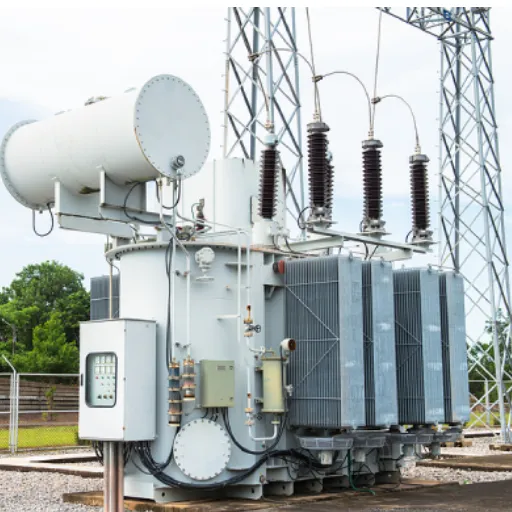
Energy Efficiency Improvements with Retrofit Transformers
The transformers of the retrofit system use modern technological innovations to solve problems that occur in outdated systems. The modern design process uses core material optimization methods that include amorphous metal materials and grain-oriented silicon steel to reduce core losses. The research shows that using retrofit transformers instead of traditional transformers results in a 70% decrease of no-load losses which serves as an essential element for improving energy efficiency. The advanced coil winding techniques decrease load losses which results in better overall operational efficiency of the system.
The retrofits provide system compatibility with automated energy monitoring systems which enable performance tracking and efficient load management functions. The systems help utilities and large organizations achieve energy conservation targets while they create evidence of their efficiency improvements. The study used data from recent case studies which demonstrated that retrofit transformers provide annual energy savings between 0.5% and 3% per transformer across extensive grid networks. The cost reductions and energy savings reached significant levels through this process.
The industry standards for DOE efficiency levels and ISO certifications give systems their necessary compliance which enables retrofits to achieve international sustainability standards. The resulting system functions as a valuable investment for all modern industrial and commercial applications. The system produces profitability through market demands which need energy efficient solutions.
Technologies that Enhance Transformer Efficiency
Modern transformer designs now use both modern materials and innovative design methods to achieve more effective systems which develop better energy management processes. The key advancement in this field involves using amorphous metal cores which operate as advanced materials. The special atomic arrangement of these cores enables superior performance because it achieves lower no-load losses when compared to standard grain-oriented silicon steel cores. The upfront cost of amorphous metal transformers exceeds that of standard solutions. However, they achieve energy loss reductions which go up to 70%. This feature makes them ideal for situations with low power demands or changing power needs.
The use of high-temperature superconducting materials marks another major technological breakthrough. HTS materials provide power transmission companies with the ability to achieve major efficiency improvements through their conversion into electrical resistance. The transformers which use HTS windings can decrease their core losses while handling higher power levels without suffering from overheating problems. The technologies create compact systems which function in limited space locations like city substations.
The process of digitalization together with advanced monitoring systems creates essential mechanisms which help transformers operate at optimal efficiency. The modern transformers come with intelligent sensor systems and IoT devices which provide real-time monitoring of essential factors such as temperature and oil viscosity and load conditions. The organization uses a data-based system to optimize maintenance processes which include setting maintenance times through which the transformer’s operational life will increase while equipment will conserve energy through accurate load management and less operational stress. The technologies create an extensive method which works to achieve peak efficiency while transformers provide the energy supply needed for both present situations and future needs.
Case Studies on Efficiency Gains
Case Study 1: Implementation of IoT Sensors in Power Grids The energy provider installed IoT-enabled sensors at its regional power transformers to collect and analyze operational data from the transformers. The sensors tracked three different parameters which included core temperature and insulation health and load changes. The company achieved a 15% decrease in transformer failures during the six-month period because they used proactive fault detection and predictive maintenance scheduling. The sensor data enabled precise load distribution adjustments which resulted in 12% energy efficiency improvements across the grid system because it reduced energy losses.
Case Study 2: Adoption of Advanced Cooling Mechanisms The industrial facility which experienced transformer overheating problems implemented advanced liquid cooling systems together with AI-based thermostatic controls to solve its equipment issues. The solution enabled the system to automatically modify its cooling output according to existing requirements which resulted in substantial energy savings. The post-implementation analysis showed a 20% reduction in cooling energy costs together with enhanced transformer operational stability which produced annual savings of $50,000 through reduced maintenance and energy expenditures.
Case Study 3: Deployment of Digital Twin Technology A major utility provider used digital twin technology to develop a virtual representation of its transformer operations. The company ran load tests and stress tests to find system inefficiencies which led to better transformer settings during their testing process. The method produced an 18% increase in energy throughput while it decreased mechanical damage which led to equipment operating during 5 additional years.
The case studies demonstrate that organizations can achieve better transformer performance through various technological advancements which lead to increased efficiency and operational reliability while reducing expenses. The data-driven solutions play a vital role in solving contemporary challenges that power grids encounter today.
Extending Lifespan and Reliability of Transformers
How Retrofitting Can Extend Transformer Lifespan
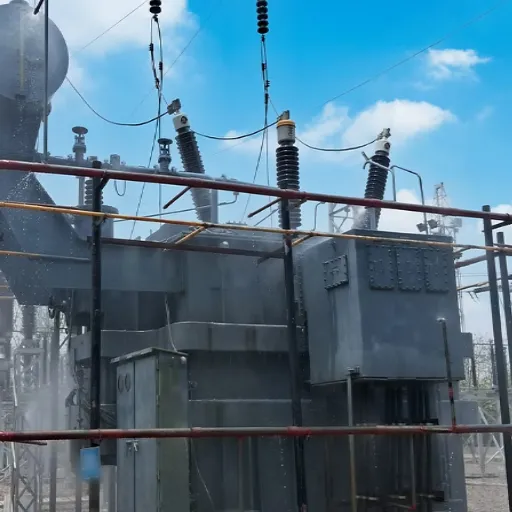
The process of retrofitting transformer systems requires operators to install new technological equipment and components which help boost system performance and operational lifespan and system performance. The operators need to implement specific changes which include replacing insulation materials and upgrading the cooling systems and adding dissolved gas analysis sensors to reduce hazards which result from asset deterioration.
The installation of high-temperature insulation materials provides two advantages because it improves thermal protection and extends the time period until thermal breakdown occurs from heat stress. The use of on-load tap changers (OLTC) with cutting-edge controllers enables the system to maintain precise voltage control while the load fluctuates thus minimizing winding stress and increasing system longevity. The combination of IoT sensors with analytics platforms creates predictive maintenance systems which deliver instant transformer health status and operating condition updates. The system solves problems before they evolve into critical failures which leads to a reduction of unexpected equipment shutdowns.
Transformers achieve extended service life because retrofitting together with detailed condition assessment and diagnostic evaluation methods has proven effective in field testing. The combination of cost savings from deferred capital expenditure and improved reliability makes retrofitting a highly effective strategy in both modernizing aging infrastructure and meeting the evolving demands of the power grid.
Maintenance Considerations for Retrofitted Transformers
The complete maintenance process for retrofitted transformers must operate as an ongoing practice to achieve the optimal performance level and full operational lifespan of the system. The retrofitted units now include new components and monitoring systems which require adjustments to their maintenance protocols in relation to these technological updates. The organization should establish a condition monitoring system which uses advanced sensors and analytics to detect potential problems before they develop into expensive breakdowns. The organization needs to monitor four parameters which include transformer oil quality and thermal performance and dielectric integrity to achieve stable operation throughout the entire working period.
The maintenance needs of retrofitted transformers need to undergo a comprehensive evaluation. The organization needs to adjust its servicing schedule according to the latest stress levels and operational profile which will lead to better performance results. The technicians need to check the areas where new systems connect to existing systems because these spots experience major damage and operational pressure and physical misalignment throughout their lifetime.
Organizations need to implement cybersecurity measures to protect their digital control systems and monitoring systems against cyber threats because digital control systems and monitoring systems have become standard components of modern retrofitting projects. The system requires regular firmware and software updates to achieve both operational efficiency and security maintenance.
The archiving of performance data before and after retrofitting provides organizations with the ability to trace performance trends which supports their efforts to create maintenance plans that decrease unplanned downtimes. The organization applies a data-driven methodology to determine the distribution of maintenance resources which enables them to fulfill both reliability and safety requirements.
Ensuring Reliable Operations Post-Retrofit
The organization needs to establish a structured system which uses testing methods together with ongoing assessment and industry standards to maintain operational efficiency after its retrofitting project. The system needs to undergo thorough testing after the retrofit because it will help determine whether the new parts work properly with the existing system. The assessment process requires testing operational conditions to determine equipment performance when facing different weight and operational pressure situations.
Real-time equipment performance assessment can be improved through the implementation of modern sensor systems together with data analysis solutions. The technologies produce useful information which helps operators identify system malfunctions at an early stage so they can resolve issues before they develop into major system breakdowns. The system becomes more dependable through its connection to predictive maintenance systems because it uses machine learning algorithms which examine past maintenance records to forecast upcoming equipment breakdowns with exceptional precision.
The organization needs to develop advanced training programs for its workforce because these programs will enable operators and technicians to master new skills required for operating upgraded systems. Organizations need to employ trained staff who possess complete knowledge about their operations because this practice will decrease mistakes and improve system performance and lifespan. The organization can sustain its operational processes after retrofitting through technology implementation and data accuracy and employee knowledge.
References
-
The Future is Electric
This report discusses electrification and retrofitting strategies, including large power transformers. -
Issues of Seismic Response and Retrofit for Critical Substation Equipment
This thesis explores retrofitting transformer-bushing systems to improve seismic resilience. -
An Adaptive Thermal Module for Transformer Monitoring
This study focuses on retrofitting transformers with advanced monitoring systems to enhance performance. - Click here to read more.
Frequently Asked Questions (FAQ)
Q: What is a transformer retrofit and why choose retrofitting a transformer over replacement?
A: A transformer retrofit enables existing transformer systems to reach modern operating standards through component upgrades without complete system replacement. The process of transformer retrofitting enables transformers to work for additional years through insulation and cooling system and protection system improvements which allow the company to keep their existing assets. The solution provides a cost-effective advantage which results in reduced operational interruptions while preventing unexpected transformer breakdowns and achieving current performance and reliability standards.
Q: How do I know if my existing transformer shows signs of wear and needs a retrofit?
A: The need for a transformer retrofit occurs when the system experiences frequent overheating and requires more maintenance and produces unusual sounds and shows oil degradation and bushing leakage and insulation breakdown and increased losses and the system fails to manage load because of changes in operational requirements. The procedure of retrofitting becomes necessary when transformers exhibit signs of deterioration and fail to meet current operational requirements for load capacity and configuration and primary voltage specifications.
Q: Which retrofit solutions are available to improve transformer reliability and performance?
A: The available retrofit solutions include bushing replacement and advanced insulation system upgrades and cooling system enhancements and tap changer and voltage regulation upgrades and advanced fault detection and condition-based maintenance monitoring system installations. The process of upgrading dry type transformers and oil-filled units enables targeted improvements which enhance efficiency and decrease harmonic-related heating and increase system reliability without needing to implement complete new systems.
Q: Can transformer retrofit help meet increased kva or kv requirements and changing load profiles?
A: The process of retrofitting enables transformers to handle heavier loads which transformers can achieve through cooling system and insulation system improvements and tap changer system adjustments and internal component upgrades for higher kva and kv requirements. Existing transformers can achieve capacity growth through retrofitting procedures which enable the equipment to fulfill current operational requirements while delaying the need for replacement.
Q: How does integrating advanced monitoring systems during a retrofit reduce unplanned outages?
A: Advanced monitoring system integration provides operators with instant access to temperature and partial discharge and load and harmonics data which enables them to predict equipment maintenance needs and detect faults before they progress. The system enables operators to fix problems before they escalate into critical issues which boosts transformer system reliability through improved system performance.
Q: Are retrofit upgrades compatible with dry type transformers and utility distribution equipment?
A: Retrofit strategies are available for both dry type transformers and oil-filled distribution transformers. The retrofitting process for dry type transformers targets both better insulation systems and cooler operational pathways and fire safety systems. Distribution transformers can use retrofit solutions to boost operational efficiency and achieve environmental sustainability targets and prolong equipment lifespan while maintaining dependable power grid performance.
Q: What are the cost, downtime, and sustainability trade-offs between retrofit and replacement?
A: A retrofit typically has lower upfront cost and shorter installation time than purchasing a new transformer which results in reduced operational downtime and decreased financial impact. The practice of retrofitting existing assets enables organizations to enhance their sustainability performance because it prevents waste creation which results from producing new products. The most reliable solution for long-term operations becomes replacement when a transformer experiences serious damage and fails to meet essential kva/kv requirements even after upgrades. The assessment of engineering requirements by engineers aids in selecting the most affordable solution.
Q: How do retrofits address problems caused by harmonics and thermal stress that lead to premature failures?
A: Retrofits use harmonic mitigation techniques together with advanced cooling systems and high-quality insulation materials to minimize thermal stress and overheating dangers. The combination of component upgrades with monitoring systems enables the identification of harmonic-related heating issues which leads to the modification of system settings or load management to eliminate transformer breakdown situations while enhancing overall system dependability.
Q: Will a retrofit extend the lifespan of my transformer and reduce ongoing maintenance?
A: A well-designed and well-executed retrofit system enables transformers to operate longer because it eliminates the primary sources of wear through the process of transformation which targets insulation degradation and bushing failures and cooling system deficiencies. The installation of advanced monitoring systems together with retrofitting processes allows organizations to reduce maintenance intervals while achieving better system performance and operational compliance with current industry standards.
Q: What should be included in an engineering assessment before deciding on a retrofit transformer project?
A: The analysis needs to determine load patterns and kvA and kv requirements and primary voltage levels and insulation and bushing conditions and cooling system capacity and harmonic exposure levels and capacity to comply with current regulations and operational standards. The assessment needs to examine retrofit solutions against completely new systems while determining costs and installation periods and maintenance duration and system reliability and environmental sustainability and unplanned service interruption reduction for each method.