
Transformer Noise Levels: NEMA Standards & Reduction Methods

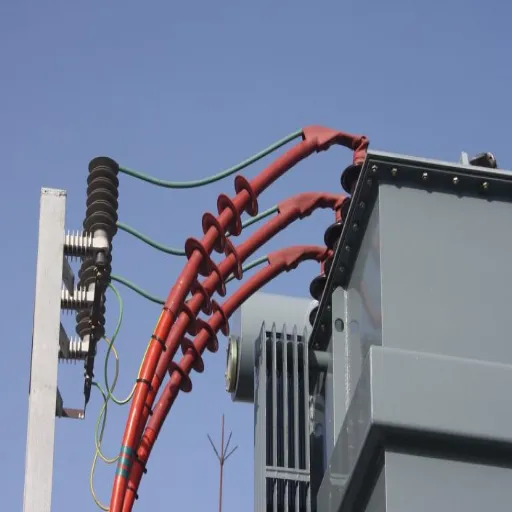
The designers and operators of transformers must pay attention to noise levels, which they find essential yet frequently disregard. The community receives disruptive noise, which also functions as a warning system that detects operational issues and identifies system vulnerabilities. This blog post examines the NEMA (National Electrical Manufacturers Association) standards, which establish transformer noise level regulations, to explain their importance. The research will examine practical solutions together with advanced methods that enable transformers to operate silently while meeting noise reduction requirements. This guide provides practical solutions that electrical professionals and general readers can use to understand transformer noise problems and their solutions.
Understanding Transformer Noise
What is Transformer Noise?
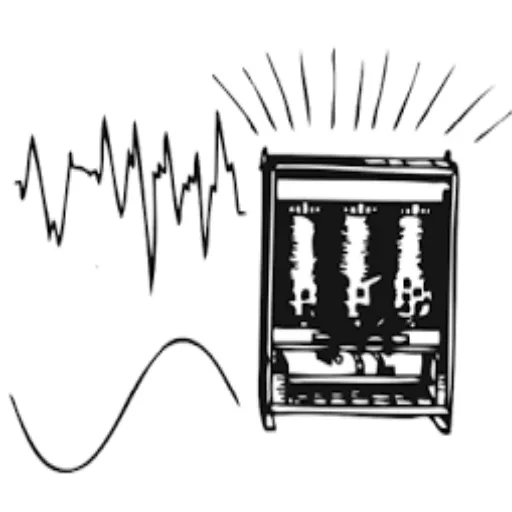
The term transformer noise refers to the sounds that transformers generate when they operate. The noise arises from magnetostriction, which causes the magnetic field to make the transformer’s core material expand and contract with minimum movement. The surrounding area receives vibrations that produce a humming sound. The noise from transformers occurs within a frequency range that starts at 50 Hz and ends at 200 Hz, with 100 Hz serving as the main frequency that matches the double speed of mains power.
The study discovered that transformer noise levels usually produce between 45 dB and 85 dB noise levels, which depend on the transformer size and load conditions. The sound of 45 dB matches the quietness of a library, while 85 dB approaches the volume of urban street traffic. The International Electrotechnical Commission (IEC) and National Electrical Manufacturers Association (NEMA) regulatory standards establish maximum noise limits that protect both natural environments and human communities.
Key Insight: The noise levels increase due to external factors, which include installation conditions and the methods used for cooling (natural air or forced air cooling) and the nearby structural resonance. The implementation of advanced design techniques, which include high-quality core materials, optimized lamination processes, and robust enclosures, serves as the primary method used to reduce transformer noise.
Through their research on various factors that affect noise production, electrical industry professionals develop new methods to minimize transformer noise.
Common Causes of Transformer Noise
The two essential sources produce transformer noise through two main pathways, which result in the sound. The transformer core material experiences expansion and contraction due to magnetic fields, which generate a hum that becomes audible through these movements. The hum occurs at a frequency that equals two times the supply current frequency. For example, the frequency of 100 Hz corresponds to a 50 Hz supply, and 120 Hz corresponds to a 60 Hz supply. The specific core material and production methods of a system determine its noise output through its core material selection. Engineers use soft magnetic materials like silicon steel to reduce this effect.
Vibrations stand as a main factor that causes transformer noise. Component loosening and uneven winding tension, and electromagnetic force interactions between the windings and core, create the conditions that lead to these vibrations. Large power transformers produce approximately 30 to 40 percent of total sound emissions due to vibration-related noise, according to recent research findings. The external factors that cause this effect include installation conditions and structural resonance in the foundation or nearby equipment, which produce vibrations that intensify acoustic emissions.
Research Findings
Studies demonstrate that transformer noise levels typically reach between 50 to 70 dB, which depends on the transformer’s size and design, and its operational load conditions. The average urban distribution transformer produces 55 to 60 dB sound at normal load, while industrial transformers exceed this level during heavy loads and maintenance neglect. Advanced core designs, precise assembly techniques, and vibration-damping materials that manufacturers use enhance acoustic performance.
The selection of superior materials and the design of transformers and their continuous upkeep lead to silent operation and effective performance because these elements address the main sources of transformer noise.
The Role of Magnetostriction in Noise Generation
Magnetostriction stands as the main reason for producing transformer noise. The magnetic core of the transformer undergoes a slight shape transformation when a magnetic field is applied. The alternating current causes minimal dimensional changes, which happen at double the AC frequency, thus generating ongoing vibrations that produce the typical transformer hum.
The recent technological advances, together with current studies, have demonstrated that core material properties affect magnetostriction-related noise production. The magnetostriction coefficient of grain-oriented electrical steel, which serves as a common transformer core material, ranges from 3 to 27 ppm depending on its grade and processing. The implementation of high-quality materials, which achieve optimized grain orientation and reduced magnetostriction, results in a significant reduction of noise levels.
Modern transformers need advanced core lamination techniques because these methods decrease energy losses, and they also help control vibrations that result from magnetostriction. Research indicates that reducing core lamination thickness and improving annealing processes can lower magnetic flux density, which leads to a 20% reduction in acoustic emissions. The industry has developed these innovations as part of its effort to produce transformers that generate minimal noise in urban areas and regions that are highly sensitive to sound.
The engineers address the magnetostriction issue through their expertise in material science and their ability to enhance manufacturing procedures, which results in better transformer performance and reliability.
Types of Transformer Noise

Electrical Transformer Noise Explained
Electrical transformers produce sound because they operate with three main causes, which create core noise, load noise, and cooling system noise. The transformer core generates core noise through magnetostriction, which causes its magnetic core to expand and contract during the process of magnetization and demagnetization. The transformer produces a hum that results from power supply current, which creates sound waves at double the supply current frequency for instance, at 120 Hz during a 60 Hz supply operation. Load noise occurs because electromagnetic forces that act on the winding conductors during high current periods create vibrating sounds that produce extra acoustic noise. The cooling system creates sound through its fans and pumps, which operate to maintain equipment at optimal temperature, while their noise output depends on equipment operational speed and power consumption.
Recent Advancements
Recent advancements in transformer manufacturing and design work toward creating transformers that produce less noise during operation. The combination of noise-reduction coatings, which were applied to magnetic cores with changes to lamination assembly processes, successfully reduced core noise emissions. IEEE research shows that optimized lamination designs can decrease noise levels by up to 10-15 decibels (dB). The development of winding design innovations, which include tighter clamping methods for windings and high tensile material usage, has resulted in a substantial reduction of load noise.
Transformers nowadays employ variable speed fans and pumps for their cooling systems, which operate only during necessary periods, thus creating quieter environments during low power usage times. According to industry studies, these systems can cut overall noise emissions by up to 25%, providing a quieter and more energy-efficient cooling solution. The maintenance of diminished noise output requires proactive maintenance through regular fan and pump inspections.
The need for quieter transformer designs that meet global noise regulations has emerged from research into transformer noise data and its underlying causes, especially in urban and residential areas.
Load Noise and Its Effects
Transformers produce load noise from two sources, which include electric currents and magnetic fields that interact with the transformer core and winding system. The noise volume increases during high electrical demand periods because the higher load causes core magnetostriction and vibrations to become more intense. The load noise that transformers produce in different operating conditions can reach values between 10 percent to 20 percent of total transformer noise output.
Recent studies and industry data highlight that advanced transformer designs, such as those incorporating amorphous steel cores or optimized winding structures, can significantly mitigate load noise levels. Amorphous core transformers produce noise levels that drop up to 5 decibels (dB) when compared to traditional silicon steel core transformers.
Engineers use computational modeling tools for widespread implementation, which enables them to simulate load noise through different operational scenarios. The tools enable engineers to find possible noise problems during the design phase, which leads to more design improvements. Modern transformers use advanced insulation systems together with control measures to achieve urban noise reduction standards while producing minimal disturbance to nearby areas.
Cooling Fan Operation and Associated Humming Noise
Transformers use cooling fans to maintain their operating temperature because these fans remove heat, which transformers generate during their normal functions. The equipment generates noise through its fan operation, which handles this vital temperature control duty. The cooling fan produces a humming sound because the fan blades and motors vibrate while the turbulent airflow occurs during their operational period. Research data shows that cooling fans produce noise levels that range from 50 dB to 75 dB, based on the fan size, operating speed, and design specifications.
The technological advancements in fan systems have effectively resolved this particular problem. Fan manufacturers use variable speed drives (VSDs) to enable fans to adjust their speeds according to actual load requirements. The system achieves dual benefits because it decreases noise levels while providing better energy efficiency. The aerodynamic designs of fan blades reduce turbulence, which results in lower noise output. Recent studies indicate that these improvements can lower noise levels by up to 25%, making transformers more compatible with stringent urban noise standards. The operation of fan systems depends on regular maintenance tasks, which include bearing lubrication and component alignment work.
Impact of Transformer Noise
Effects on Transformer Performance and Efficiency
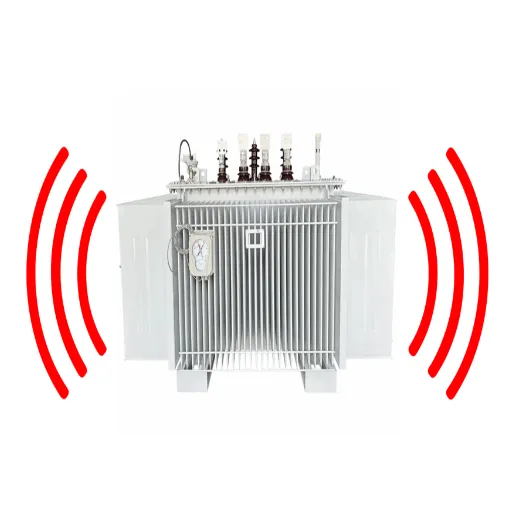
Transformers generate acoustic emissions that produce environmental disturbances and operational difficulties that lead to equipment failures and decreased operational performance. Excessive noise emissions cause transformers to experience operational efficiency loss because the resulting vibrations create material fatigue, which makes mechanical failures more likely to occur. The current study shows that transformer noise management systems fail to meet established standards, resulting in operational efficiency losses that reach 5% because of increased demands on structural components and cooling systems.
The introduction of sound-dampening enclosures together with advanced soundproofing materials provides effective solutions to reduce these negative impacts. Laboratory tests demonstrate that modern acoustic barriers, together with new transformer housing materials, can achieve a 30% reduction in noise transmission testing. Organizations can use real-time monitoring systems to monitor noise levels and operational anomalies, which enables them to perform predictive maintenance that eliminates efficiency drops.
⚠️ Compliance Warning
The implementation of these measures holds particular importance for areas with high population density and industrial activity because noise regulations now present greater challenges to compliance. The International Electrotechnical Commission (IEC) has established noise emission limits that builders must comply with according to transformer ratings, which require advanced mitigation methods to meet international standards.
Environmental and Human Impact of Excessive Noise
Industrial equipment transformers produce loud noise, which creates major environmental problems that harm human health. Long-term exposure to loud noises leads to hearing loss, together with sleep disruptions, increased stress levels and cardiovascular problems. The World Health Organization (WHO) identifies noise pollution as the second most significant environmental factor that creates health problems, which comes after air pollution. WHO guidelines recommend keeping night-time noise levels below 40 decibels (dB) to prevent adverse effects on health.
High levels of noise pollution create environmental problems because they interrupt the ecosystem’s natural processes, which lead to changes in how animals engage in communication, mating, and spatial navigation. Research indicates that birds that experience chronic noise pollution will change their songs, which makes it harder for them to attract mates and defend their territories. Underwater noise pollution affects marine life because it disrupts echolocation abilities in dolphins and whales and other species that depend on this method of navigation.
Recent research shows that urban noise levels exceed the established safe limits by a wide margin. Major cities around the world face an ongoing issue where their urban areas experience daytime noise levels that reach 85 dB or higher throughout their busy streets. The industrial sector needs advanced noise suppression technologies, which include noise barriers and active noise control systems that industrial equipment uses to solve these existing problems. Real-time monitoring tools enable industries to meet global noise standards while maintaining protection for both people and the environment.
Methods to Stop Transformer Noise
Design-stage Solutions for Reducing Noise
Design-stage solutions that reduce transformer noise begin their process by determining the primary source of the noise issue. New transformer designs implement contemporary materials together with innovative construction techniques to achieve reduced sound emissions. Research results demonstrate that using low-noise core materials that contain amorphous steel results in significant noise decreases. Amorphous cores produce 10 dB less noise compared to common silicon steel cores, which most equipment uses, according to research findings.
The core design optimization process uses step-lap construction design because it achieves better magnetic flux distribution, thereby reducing noise problems. The method reduces magnetostriction because it represents one of the main reasons transformer equipment produces noise. The study indicates that transformers with step-lap core designs produce less vibration and sound than other designs.
✓ Best Practice
Advanced winding techniques represent an effective method that achieves better equipment performance outcomes. The designers achieve noise reduction by arranging windings so that electromagnetic forces operate evenly throughout the coils. The world today shows increased usage of these solutions because industrial equipment needs to produce lower sound levels according to new noise regulations, which also require reduced environmental impact. The combination of these methods with noise-dampening enclosures leads to lower sound emissions, which enable compliance with noise regulations while creating better working conditions.
Retrofitting Techniques for Existing Transformers
Utilities can extend transformer lifespan through transformer retrofitting, which also boosts efficiency while meeting modern requirements. The process involves upgrading insulation systems with high-temperature resistant materials, which enhance thermal stability and enable transformers to operate at increased loads. The recent study results show that retrofitting transformers with new insulation materials enables efficiency gains of 15%, which results in lower energy losses and reduced operational expenses.
The process of equipment retrofitting involves substituting traditional mineral oil with biodegradable and less flammable ester-based fluids, which create safer operational conditions. The fluids provide thermal advantages while decreasing fire hazards and environmental pollution. The research found that transformers maintain lower operational temperatures with ester fluids because these fluids improve equipment performance and safety.
The installation of advanced monitoring systems, which use Internet of Things IoT sensors, enables real-time data collection together with remote diagnostic capabilities. The system monitors vital parameters, which consist of temperature, oil levels and power loads, to produce insights that help prevent failures and improve operational performance. The implementation of IoT solutions has led to a 25% reduction in downtime across various industrial environments.
Mechanical enhancements through the introduction of forced-air and forced-oil cooling system improvements mark one way to perform equipment retrofitting. The advanced cooling systems enable efficient handling of increased power demands while preventing overheating and achieving better system reliability. The research found that improved cooling systems boost transformer efficiency by up to 10% during operational situations that create high equipment stress.
The process of equipment retrofitting allows for the installation of sound-reducing methods that manage noise emissions. The system achieves sound control through the installation of noise-dampening panels, which work together with vibration isolators and advanced magnetostrictive materials. The regulatory requirements that apply to residential and urban transformer operations need this equipment to prove its ability to operate within prescribed noise limits. The combination of these retrofitting methods ensures equipment performance meets modern standards while creating operational cost savings and extended equipment life.
Regular Maintenance Practices to Mitigate Noise Issues
Transformers need maintenance work on a regular schedule because it helps to reduce noise problems and extends the transformers’ operational lifespan. The main maintenance activities involve checking the core and windings for any loose parts, which will lead to higher vibration levels and more noise production. The 2023 industry report shows that core misalignment and degraded assembly components cause 30% of transformer noise problems. Periodic tightening process improves core performance because it strengthens structural integrity through its bolting method.
The maintenance process requires oil management as an essential task. Transformer oil functions as both insulation and a cooling agent for the transformer, but its effectiveness decreases with time, which results in higher noise production through reduced damping capability. The analysis shows that yearly oil testing, together with oil filtration processes, will enhance transformer efficiency by 15% while decreasing acoustic emissions.
Sound-level detection systems now form part of advanced monitoring systems, which have become a popular equipment choice. The field data from recent research shows that transformers with real-time monitoring systems can achieve a 25% reduction in noise-related breakdowns, which demonstrates the power of preventive maintenance systems. The maintenance practices that combine different methods will reduce operational noise while they increase equipment lifespan and dependability.
Reference Sources
A method for predicting the audible noise emissions from large outdoor power transformers
Key Findings: This paper presents a predictive model for audible noise emissions from outdoor transformers. It critiques the “recommended” noise levels in NEMA standards and suggests improvements.
Methodologies: The study uses A-weighted noise level measurements and computational modeling to predict noise emissions.
Transformer Audio Noise Problems on an Electric Power System
Key Findings: The research highlights challenges in meeting NEMA-specified noise levels and explores methods to reduce transformer noise in residential areas.
Methodologies: The study combines field measurements with noise mitigation techniques, including material and design modifications.
Comprehensive analysis of the load noise of power transformers
Key Findings: This paper introduces a new calculation method for load noise, aiming to reduce transformer noise through optimized load management.
Methodologies: The research uses computational simulations and real-world data to validate the proposed noise reduction method.
Frequently Asked Questions (FAQs)
Q
What Are the NEMA Standards for Transformer Noise Levels?
The National Electrical Manufacturers Association (NEMA) establishes particular requirements that define maximum noise levels that transformers need to meet during their regular operational activities. The standards require transformers to operate in specific limits, which will decrease their noise emissions without affecting their performance. The main control document, NEMA TR 1, establishes maximum sound limits which vary according to transformer size, transformer type, and transformer usage. The standards need to be followed because they protect industrial and residential spaces from noise disturbances while enabling compliance with regulations.
Q
How Can Transformer Noise Levels Be Reduced Effectively?
Three methods exist to decrease transformer noise, which include using vibration dampers, soundproof enclosures and determining optimal equipment placement. Advanced designs create important noise reduction solutions through their use of low-noise materials, which include mitered cores and precise windings. Organizations should install real-time sound-level monitoring systems to achieve their goal of continuous monitoring, which enables maintenance crews to identify and solve noise issues that affect operational efficiency and silence requirements.
Q
What Causes Transformer Noise and How Is It Generated?
Magnetostriction creates transformer noise because it causes core materials to expand and contract based on magnetic field changes. The combination of vibrating effects with the hum of alternating current generates the typical buzzing sound. The noise becomes louder when external elements, such as loose parts and environmental resonance, produce sound that requires both design and maintenance work to control.
Q
What Are Real-Time Monitoring Systems and How Do They Help?
Real-time monitoring systems serve as advanced instruments that provide continuous monitoring of transformer performance metrics that include their operational status and noise emissions. The systems use built-in sensors to identify unusual sound patterns, which alert staff about possible problems that should be addressed before they become major situations. Organizations can reduce equipment failures related to noise by 25% through the implementation of preventive maintenance programs, which use real-time monitoring data to drive their operations.
Q
How Does Transformer Placement Affect Noise Levels?
Transformers experience major noise level increases because of their placement in incorrect positions, which people consider more intense. The operational sound becomes louder because of three factors: how close the equipment is to living areas, how sound reflects off surfaces, and how the equipment is mounted. Equipment noise emissions to the surrounding environments will decrease when operators use vibration-damping foundations together with proper clearance practices and soundproof barriers.
Q
Why Is Compliance with Noise Standards Important for Transformers?
The NEMA noise standards guarantee that transformers produce sound levels that remain within safe operating limits. Organizations that meet these standards achieve regulatory compliance, which results in decreased noise emissions and better work environments and extended operational life for their equipment. The organization will experience operational problems, which increase equipment damage and lead to potential legal issues when it fails to comply with these standards.