
Transformer Bushings: Types, Functions & Maintenance

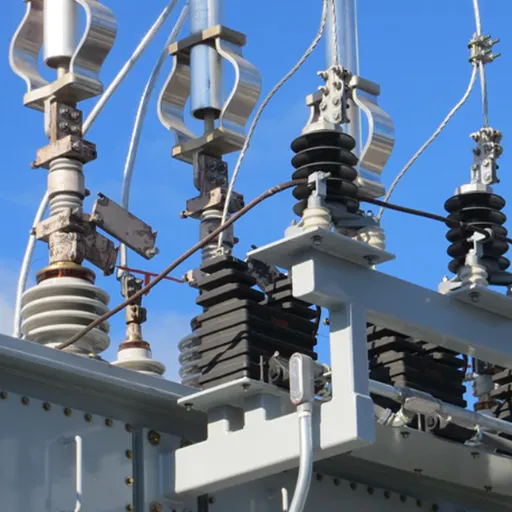
Transformer bushings function as essential components that electrical systems need to achieve their dependable and effective system operation. The design of these components enables safe electrical current flow between a transformer’s internal parts and external electrical circuits while they deliver required insulation protection. Different bushing types exist because various applications and environments, and performance needs require different solutions. This blog post examines the fundamental elements of transformer bushings through its examination of bushing types, their operational functions, and their required maintenance procedures. The guide will enhance your understanding of electrical infrastructure systems, which you need to know for your work as an engineer or technician or your goal of acquiring knowledge in this field. The upcoming section will show how even tiny elements produce major impacts throughout the entire power transmission system.
Introduction to Transformer Bushings
Definition of Transformer Bushings
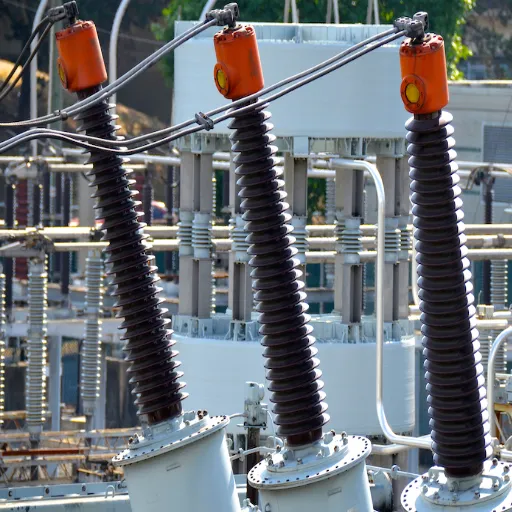
The transformer bushing functions as a critical part that provides insulation to help electrical wires cross through the transformer’s metal shielding. The system delivers electrical insulation together with mechanical strength, which keeps electrical circuits operational while it stops electrical faults from causing equipment failure.
The present transformer bushing system consists of two main types, which use different insulation methods through oil-filled bushings and dry-type bushings. The oil-filled bushing system achieves high dielectric strength through its combination of transformer oil and paper insulation, while the dry-type bushing system uses solid insulation materials that include resin and porcelain to achieve similar dielectric strength requirements.
Recent research demonstrates that oil-filled bushings offer both extended service life and efficient thermal performance, which makes them suitable for high-voltage applications that operate between 72.5 kV and 800 kV. The dry-type bushing system has gained popularity because it minimizes oil leakage risks and requires less maintenance, which makes it suitable for use in areas with environmental protection requirements.
Current bushing design advancements use composite materials, which improve durability while insulation degradation and moisture entry detection occur through online monitoring systems that enhance transformer safety operations. The power system efficiency assessment shows that modern technology implementation decreases system downtime and repair expenses while demonstrating that bushings function as essential elements for power grid stability maintenance across the globe.
The Role of Transformer Bushings in Electrical Systems
Transformer bushings serve as essential parts that establish safe electric links between transformers and power distribution networks while they block high-voltage sections from reaching grounded power distribution networks. New transformer bushing technology brings superior performance improvements, which create safer working environments and better system performance reliability.
According to industry reports, the transformer bushing market reached a valuation of approximately $3.5 billion in 2022, which will grow at a 5.1% CAGR until 2030. The requirement for reliable energy transmission systems has risen because developing countries are trying to establish their electrical infrastructure.
Current bushings utilize modern materials that contain epoxy resins and high-strength polymers to provide better electrical and mechanical characteristics than traditional porcelain bushings. The materials provide better durability for extreme weather conditions while they decrease the chance of equipment failures. Smart dry bushings with online monitoring systems can track partial discharges and temperature, and insulation resistance levels in real time. The system allows organizations to foresee maintenance needs, which helps them achieve maximum unplanned outage reductions that lead to significant maintenance cost savings.
The power system maintenance process shows that actual industry data indicates aged or deteriorating bushing replacements represent about 35 percent of all maintenance work. High-performance bushing technology provides two main benefits, which include extended transformer service life and compliance with all safety and environmental regulations. Through the implementation of new technological systems, transformer bushings maintain their status as essential elements that help power systems function safely and efficiently.
Importance of Reliability in Transformer Operations
Transformers require dependable operation that maintains a constant electricity supply while reducing system downtime. The electrical grid system depends on transformers because they distribute power to all areas of the network, thus maintaining system stability. According to recent industry data, transformer failures make up around 70 percent of all significant power outages. The system needs both standard maintenance work and advanced technical methods to reach improved operational efficiency and system dependability.
The new condition monitoring systems and digital twin technology enable utilities to establish fault prediction capabilities before actual faults occur. Bushing sensors provide operators with real-time temperature, pressure and moisture data, which enables them to solve problems before they become serious. Smart bushings have been proven through several reports to decrease failure rates by 25 percent, which results in better grid protection. The system provides operational reliability improvements through the new system while it decreases maintenance requirements and operational interruptions, which makes it essential for contemporary power systems.
Functions of Transformer Bushings
Electrical Insulation and Safety
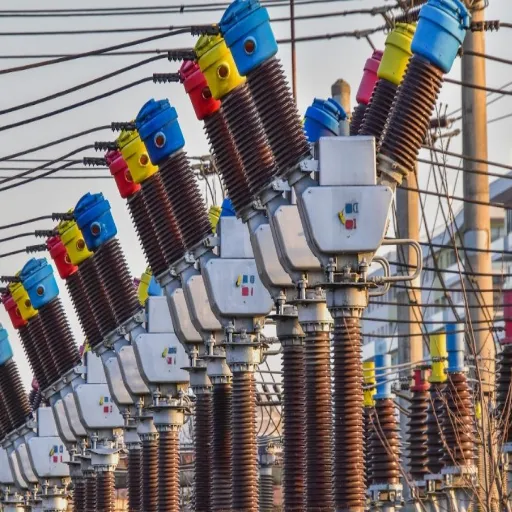
Transformer bushings function as critical elements that protect against electrical faults while creating safe operation areas through their design, which establishes safe zones between high voltage wires and grounded components. The current industry research findings demonstrate that modern bushing designs utilize insulation materials that include epoxy resin and silicone rubber to achieve better dielectric performance while reducing their environmental degradation risks. The materials exhibit voltage resistance capabilities that extend from several kilovolts to more than 1200 kilovolts based on their intended use.
Bushing technology advancements have created safer operational environments through improved security features. The systems in particular models now incorporate partial discharge sensors, which detect electrical faults in their equipment. The research shows that real-time partial discharge monitoring can identify 85 percent of insulation faults that occur before equipment fails. Gas-insulated bushings have gained popularity for ultra-high voltage (UHV) systems because they deliver better environmental protection and reduced leakage rates and extended operational lifespan when compared to conventional oil-insulated bushings.
The development of transformer bushing technologies through continuous innovation delivers safer electrical grids that maintain high operational reliability while meeting the increased energy requirements of contemporary society.
Mechanical Support and Protection
Transformer bushings function as essential elements that deliver both mechanical strength and electrical insulation protection for current-carrying conductors that need to cross through grounded barriers at transformer casings. Bushing technology has made progress because it developed new materials and design improvements that help modern bushing systems to work better and hold up longer.
The research demonstrates that composite bushings, which combine epoxy resin with other materials, deliver better mechanical strength and environmental protection than porcelain bushings do. The 2023 global market data shows that composite bushings control nearly 65 percent of total bushing sales because their lightweight construction diminishes transformer mechanical stress while maintaining operational stability during severe environmental events like high winds or earthquakes or when heavy ice builds up.
Modern bushing systems use advanced sealing technologies that have successfully reduced their maintenance requirements. The new generation of advanced bushings now has maintenance intervals that last 30 percent longer than their previous generation counterparts, which leads to fewer operational interruptions and lower costs throughout their entire lifetime. The combination of advanced computational modeling methods with contemporary design systems enables manufacturers to create structural designs that can endure extreme mechanical loads.
The establishment of mechanical support and protection systems enables transformers to operate safely and dependably during extreme situations, which leads to improved grid performance and energy preservation.
Impact on Transformer Efficiency
Transformers receive efficiency improvements from new materials and design advancements. Studies show that amorphous metal alloys used in transformer cores achieve a 70 percent reduction in energy losses when compared to conventional silicon steel cores. Transformers achieve their maximum operational temperature through advanced cooling systems, which combine forced oil and water cooling methods, while these systems decrease energy losses and extend operational life.
The adoption of contemporary monitoring systems represents another essential field that needs modernization. The Internet of Things (IoT) technology enables smart sensors to provide real-time monitoring capabilities for temperature changes, load fluctuations and probable fault occurrences. The International Energy Agency (IEA) report demonstrates that energy-saving smart grid transformers boost electrical grid efficiency by 5 percent, which results in lower operational costs and diminished environmental effects.
These innovations eliminate the rising need for eco-friendly energy solutions. The global electricity demand will increase by 25 percent during the next ten years, which will result in high-efficiency transformers saving billions of kilowatt-hours per year, thus creating a more sustainable energy future.
Types of Transformer Bushings
Design-Based Classification
Transformer bushings exist in different types because their designs and uses create various requirements. The different transformer components provide essential functions that enable safe and effective transformer operation across multiple operational settings. The various transformer bushing types exist because designers use different design categories to create their products.
- Resin-Impregnated Paper (RIP) Bushings
RIP bushings use resin-impregnated paper, which engineers multiple layers around a central conductor wire. The system maintains excellent thermal resistance while delivering strong mechanical properties and decreasing partial discharge effects. Modern high-voltage transformers depend on RIP bushings because they require minimal upkeep. According to market research, the adoption of RIP bushings has increased by approximately 30% over the last decade because these products deliver long useful lifetimes together with budget-friendly prices. - Oil-Impregnated Paper (OIP) Bushings
OIP bushings use oil-impregnated paper insulation, which they enclose inside a porcelain or composite insulator. These components represent one of the most widely used bushing types because they deliver dependable performance when facing extreme environmental situations. The system needs periodic upkeep because operators must check the oil quantities while searching for any possible oil leaks. Studies indicate that OIP bushings make up approximately 40% of all transformer bushing installations throughout the globe. - Gas-Insulated Bushings
Gas-insulated bushings use inert gases such as SF6 as the primary insulating medium. The design achieves high operational efficiency by decreasing electromagnetic field radiation while generating less environmental damage than standard oil-insulated bushings. The products find common applications in both urban substations and other compact systems that need to protect the environment. The latest research has focused on developing environmentally friendly substances to replace SF6 gas, which contributes to global warming potential reductions of up to 90%. - Composite Bushings
Composite bushings use a material combination that combines silicone rubber with epoxy resin. The materials improve electrical capabilities while delivering exceptional resistance against pollution effects humidity and ultraviolet light exposure. Composite bushings find their primary application in locations that experience intense industrial pollution or exist in coastal areas. Composite bushings have achieved a global market expansion that exceeds 20% annual growth because their properties make them both lightweight and long-lasting. - Capacitive Graded Bushings
Capacitive graded bushings use multiple capacitance layers, which create an even distribution of electrical stress across their insulation layer. The design decreases the possibility of electrical breakdown while increasing the lifespan of the bushing unit. Engineers design capacitive graded bushings for ultra-high voltage (UHV) systems, which operate at voltages exceeding 1,000kV. Research shows they are critical to supporting the increasing demand for UHV transmission networks around the globe.
The different classifications show how transformer bushing technology has developed into multiple distinct paths of advancement. Engineers select operational solutions through their selection process, which considers both operational voltage requirements and environmental conditions and available maintenance systems.
Application-Specific Bushings
The contemporary power grids of today require specialized bushings because the world energy demand, together with the need to integrate renewable energy systems into power networks, has reached critical levels. The custom-built bushings have been designed to maintain their operational performance safely throughout different power system environments and all possible environmental situations.
Transformer bushings serve a crucial purpose in Ultra-High Voltage (UHV) AC and DC systems because their design enables them to handle electrical voltages above 1,000kV. According to recent industry reports, the installation of UHV transmission lines has experienced rapid growth, especially in China and India, which have increasing energy requirements. China operates an active UHV transmission line system that extends more than 30,000 kilometers and implements advanced bushing technology.
Offshore wind farms require application-specific bushings that have been designed to withstand extreme environmental conditions that include salt spray and strong wind forces. The research shows that these bushings need custom insulation materials together with a strong sealing system, which protects against future damage. The system guarantees continuous energy movement from renewable sources to the electrical grid.
Bushing technology development exists for particular requirements in all urban transformer systems because space and noise requirements become critical points of concern in these environments. The design of the bushings enables compact operation because they achieve their highest thermal performance through reduced physical size.
The application-specific bushings use advanced materials together with specialized engineering methods to achieve international standards, which include IEC 60137. The world needs new bushing technology because current energy transition efforts are growing more intense.
Material Variations in Transformer Bushings
Transformer bushings are constructed using various materials to achieve both performance requirements and environmental standards. The three materials commonly used for this application include porcelain, which functions differently from epoxy resin and composite polymers because each material has unique thermal stability, mechanical strength, and weather resistance capabilities.
Porcelain bushings provide insulated protection, which makes them ideal for applications requiring long-lasting performance. The dielectric strength of these materials shows improvement through modern manufacturing methods, as they can now endure electrical stress with values that range from 8 to 12 kilovolts per millimeter. The product requires protective measures because it can suffer damage through normal physical contact, which makes its installation and maintenance process demanding.
Epoxy resin bushings provide users with strong mechanical strength combined with advanced chemical resistance properties. Their lightweight design enables users to create compact designs, which makes them appropriate for applications requiring reduced size. Data shows that epoxy bushings maintain their operational capacity at temperatures reaching 130°C, which proves their ability to function in extreme heat environments.
The lightweight design of composite polymer bushings enables better performance, which has led to their increased popularity among customers who need protection from environmental damage. The material delivers strong hydrophobic properties, which help the product prevent pollution accumulation, thus decreasing maintenance requirements when compared to traditional porcelain bushings. Composite bushings are designed to manage high voltage levels, which often exceed 500 kV, while they maintain their electrical resistance functions and extended operational lifespan.
Manufacturers use multiple material options to design customized bushings, which satisfy various applications that range from traditional distribution transformers to high-voltage transmission network systems. The power system requirements of modern electrical systems create a demand for transformer bushings, which material science and engineering advancements will help to fulfill.
Materials Used in Transformer Bushings
Insulating Materials and Their Importance
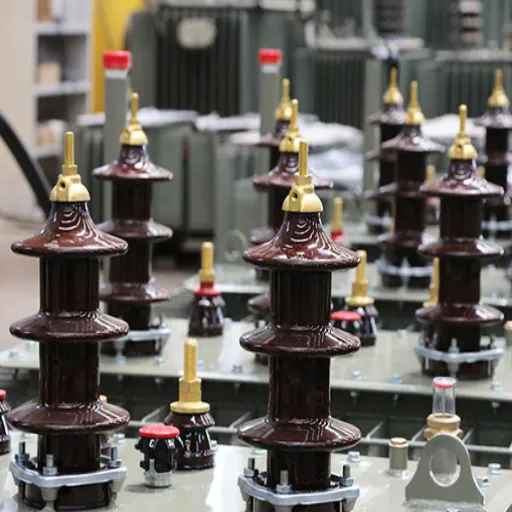
Insulating materials create essential protection, which enables transformer bushings to operate safely while they maintain their operational efficiency. The industry standard materials for this application include porcelain and resin-impregnated paper (RIP), resin-bonded paper (RBP), and advanced polymer composites. Porcelain has been the traditional choice because it provides durability and mechanical strength, and weather resistance. Modern innovations now use polymer composites, which customers prefer because these materials provide superior lightweight properties and lower breakage risks, and customers can change their material characteristics.
Recent research shows that resin-impregnated paper bushings possess exceptional thermal and dielectric properties, which allow them to withstand temperatures up to 130°C without losing their structural integrity. The hydrophobic properties of polymer bushings have improved their functionality in environments that experience both high humidity and heavy contamination. According to industry data, polymer-based bushings reduce maintenance costs by 30% when compared to porcelain systems, while they last more than 30 years under ideal conditions.
The development of these technologies improves bushing reliability for systems that operate in extreme conditions within ultra-high voltage (UHV) systems, which operate at 800 kV or higher. The introduction of advanced materials combined with accurate manufacturing methods enables transformer bushings to fulfill contemporary power grid energy needs and environmental requirements.
Durability Factors in Bushing Materials
Transformer bushing durability depends on their capacity to withstand thermal, mechanical and electrical stress throughout their operational lifespan. Modern bushing designs use resin-impregnated paper (RIP) and resin-bonded paper (RBP) materials, which provide better thermal protection and moisture defense than conventional oil-impregnated paper (OIP) bushings. The service life and performance of RIP bushings demonstrate superior results when tested in humid environments. Recent research shows that RIP bushings operate at temperatures beyond 120°C, which demonstrates their performance exceeds the older materials’ 90°C threshold.
The production of bushing components now integrates fiberglass and epoxy advanced composite materials, which strengthen the product’s structural integrity. These composites increase the durability of materials that need to withstand extreme situations. Modern testing from major manufacturers shows that contemporary bushings can endure mechanical pressures up to 200 kN, which makes them suitable for areas that experience strong winds and seismic activity.
The development of enhanced sealing methods provides effective, long-lasting defense against environmental pollutants. The advanced sealing techniques of modern systems achieve a 30% reduction in leakage rates compared to previous design methods, which safeguard against dielectric breakdown and electrical arcing. Power system bushings that experience high operational demands receive significant operational life extensions through material selection and engineering accuracy.
Comparative Analysis of Common Materials
Testing the essential performance of standard bushing materials requires an investigation of their use under actual operating conditions. The traditional material for construction remains porcelain because it maintains strength and protects against surface damage. Recent research shows that systems with porcelain bushings maintain strong resistance to extreme environmental conditions, although installation and maintenance activities become difficult because of the material’s weight and fragility.
Epoxy resin, on the other hand, has gained traction for its lightweight properties and excellent mechanical strength. Engineers now use advanced epoxy formulations because they have developed better dielectric properties, which allow for high-voltage applications. Data indicates that epoxy bushings deliver 20% higher dielectric strength than porcelain varieties, which allows them to manage dynamic electrical loads more effectively.
Silicone rubber hydrophobic characteristics protect against moisture-related failures, which include flashovers. Tests show that silicone rubber maintains its hydrophobic properties despite extended contact with contaminants, which enables its use in contaminated areas. Field reports show that silicone rubber bushings used in coastal and industrial areas decrease surface leakage currents by 25%.
Each material provides unique advantages that manufacturers select based on environmental requirements and material expenses. Engineers can create systems that fulfill the requirements of contemporary electrical systems by using modern material innovations, which extend operational time and protection.
Maintenance Practices for Transformer Bushings

Inspection Guidelines for Transformer Bushings
The power system requires regular transformer bushing inspections to maintain both its safety and operational reliability. The industry establishes best practices that require visual inspections at scheduled times to identify physical damages, which include cracks and discoloration, and surface contamination from environmental pollution and salt deposits found in coastal areas. The internal bushing condition assessment needs both Dissolved Gas Analysis (DGA) and tan delta/power factor testing as its advanced assessment techniques. Data shows that tan delta testing identifies two types of insulation faults that happen when moisture penetrates or insulation material deteriorates, and tan delta testing shows normal results at 0.007 or lower for most electrical equipment, which remains operational.
Remote monitoring technology is gaining more popularity because it shows its effectiveness in observing high-voltage systems. The installed sensor systems can monitor three distinct operational parameters, which include partial discharge (PD) levels, temperature changes, and oil pressure measurements. CIGRÉ (International Council on Large Electric Systems) published a report that shows that online monitoring systems decrease the chance of sudden equipment failures, enabling maintenance scheduling that can cut unexpected repair costs by 25%.
The combination of traditional methods and modern technological inspection techniques enables operators to achieve better system performance through their proactive practices, which improve transformer bushing operations to extend equipment lifespan.
Cleaning Techniques for Optimal Performance
The effective functioning and extended lifespan of transformer bushings depend on their proper cleaning and maintenance. Bushing surfaces collect contaminants, which include dust, moisture and industrial pollutants, during their operational lifetime. The contaminants create surface leakage currents, which cause partial discharges that result in insulation performance degradation and equipment failure.
A proper cleaning process needs to use either deionized water or authorized cleaning solutions, which will safely extract deposits from surfaces without harming insulation materials. The latest findings show that regular cleaning practices achieve up to 30% surface leakage current reduction, which enables equipment to function at maximum operational effectiveness. The introduction of ultrasonic cleaning technology establishes precisely effective cleaning methods that remove difficult-to-remove materials while remaining efficient. The technique delivers a 20% performance boost over standard cleaning processes found in industrial settings.
Operators need to conduct their routine bushing checks to identify any signs of cracks and oil leaks or discoloration, which could indicate underlying equipment issues. The development of preventive cleaning schedules that match system operation requirements with actual environmental conditions will extend the operational life of bushings.
Replacement Strategies for Aging Bushings
The development of a proactive replacement strategy becomes essential for system reliability and longevity when organizations need to replace their aging bushings. The recent industry research indicates that bushings have a lifespan that ranges from 20 to 30 years based on their operating conditions and maintenance practices. Organizations need to establish regular monitoring assessments for their insulation resistance and partial discharge levels, which serve as indicators of material decline.
The analysis of real-time data enables Condition-Based Maintenance (CBM) to forecast equipment replacement requirements with exceptional precision. The modern CBM systems evaluate thermal performance, and they identify electrical problems, which often occur before bushing failure happens. The implementation of CBM strategies enables companies to achieve a reduction in unplanned downtime by 25%, which results in major financial savings across an extended timeline.
Replacement requires an assessment of technological advancements that have occurred in the field. The majority of manufacturers are developing high-temperature resistant materials, which also provide environmental benefits because these materials deliver 40% efficiency gains when compared to conventional materials. The evaluation process, which matches new technologies with existing systems, guarantees that systems will perform at their best after implementing system replacements. The combination of strategic development and advanced technologies, and new data-based information enables organizations to tackle all problems that occur due to aging bushing systems.
Reference Sources
1. Online Monitoring and Diagnoses of Power Transformer Bushings
- Key Findings: This study introduces two methods for monitoring transformer bushings, focusing on summation voltage and bushing taps. It highlights the importance of early fault detection to prevent long outages.
- Methodology: The research employs statistical studies and develops instruments for real-time monitoring of bushing conditions.
2. Electric Field Improvement for High-Voltage Bushings
- Key Findings: This paper explores electric field optimization techniques for resin-impregnated paper bushings, focusing on improving insulation and mechanical support.
- Methodology: Combines analytical and numerical methods, including finite element analysis (FEA), to optimize bushing design.
3. Dynamic Modeling and Simulation of Power Transformer Maintenance Costs
- Key Findings: The study models maintenance costs for transformer components, including bushings, using dynamic simulation to optimize maintenance strategies.
- Methodology: Utilizes Weibull distribution and simulation tools like VENSIM PLE to predict maintenance costs and reliability.
Frequently Asked Questions (FAQs)
What are transformer bushings, and what are their types?
Transformer bushings serve as essential components that provide insulation to allow safe electrical conductor transit through grounded transformer tank walls. Transformer manufacturers select different types of transformer bushings according to their specific insulation needs and operational requirements. The main types of bushings are porcelain bushings, resin-impregnated paper (RIP) bushings, resin-bonded paper (RBP) bushings, and composite bushings. The selection process requires choosing the appropriate type according to the performance specifications required in particular environmental situations and specific operational demands.
What is the primary function of a transformer bushing?
The main function of a transformer bushing enables safe electrical current transmission between a transformer’s internal circuits and its external connections. The system creates an insulation barrier that protects against electrical discharge while keeping conductive elements apart from the transformer’s grounded components. Transformers require bushings because their absence would create unsafe conditions, which lead to dangerous electrical short circuits and leakage current problems.
How do you maintain transformer bushings?
Technicians who operate in transformer facilities need to perform three maintenance tasks to maintain transformer bushings. They need to conduct visual inspections at regular intervals and clean external insulation surfaces to eliminate any possible sources of contamination. The team needs to conduct electrical testing which includes capacitance and tan delta measurements, to evaluate the aging process and potential system degradation. The implementation of a maintenance schedule enables the bushing to operate for an extended period while guaranteeing safe transformer operations.
What are common signs of transformer bushing failure?
The signs of transformer bushing failure include external cracks, oil leaks and carbon tracking and contamination on the insulating surface. Internal degradation becomes evident through electrical issues, which manifest as increased insulation resistance values, abnormal capacitance readings, and elevated tan delta measurements. The team needs to execute immediate corrective actions for these symptoms because they can result in transformer outages and severe system failures.
How do transformer bushings improve system performance?
Advanced transformer bushings, which use high-temperature resistant materials or eco-friendly materials, provide system performance improvements through their enhanced thermal capabilities and operational reliability, and increased efficiency. The innovations create power grid system compatibility improvements, which simultaneously diminish environmental harm from outdated systems.
What factors should be considered when replacing transformer bushings?
The evaluation of new bushings for replacement requires verification of their compatibility with current transformer systems. The evaluation requires assessment of voltage rating, current rating, system insulation levels and environmental conditions. The selection process benefits from advanced tools and data analytics, which help achieve effective system integration and operational efficiency after equipment replacement.