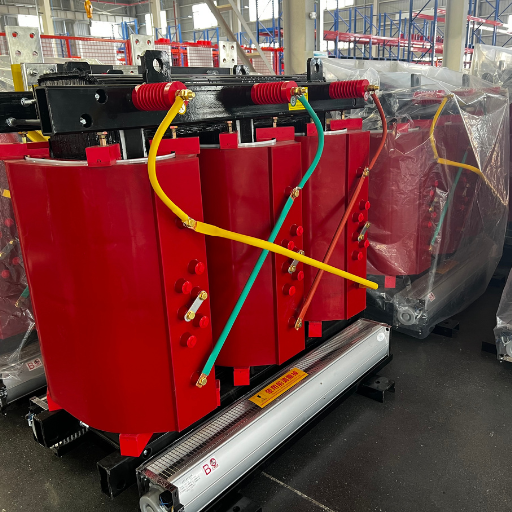
Importance of Transformers in Healthcare Facilities
Hospitals and healthcare systems require resilient transformers to stabilize power for every medical center, clinic, and urgent care location. From an academic institute to a community provider, uninterrupted electricity supports surgery, ct imaging, vaccine storage, and clinical research. Our engineered designs ensure a healthier tomorrow by protecting critical loads, reducing risk to the patient, and enabling the best hospitals to maintain operational excellence, rank, and recognition nationally.
Types of Transformers Used in Healthcare & Hospitals
Isolation Transformers for Sensitive Equipment
Isolation transformers limit leakage current and electrical noise, enhancing safety for patient-connected devices. They protect instruments in the academic medical center, urgent care, and outpatient locations by decoupling circuits from disturbances. This approach enhances safety for physicians, nurses, and patients, supporting clinical research quality. By stabilizing networks in laboratories and imaging centers, isolation units help providers reach excellence benchmarks and earn healthgrades recognition.
Step-Down Transformers for Efficient Power Supply
Step-down transformers deliver appropriate voltage efficiently, reducing losses and thermal stress across hospital facilities. They power primary care suites, vaccine refrigerators, and digital medicine systems across a network of hospitals. Optimized regulation reduces losses, supports sustainability, and advances a healthier tomorrow. Robust enclosures suit local care locations, while standardized taps personalize coverage for varied loads, ensuring consistent performance at every center within the health system.
Custom Transformers Tailored to Hospital Needs
Custom transformers address site-specific requirements, aligning impedance, shielding, and footprint with clinical workflows and redundancy goals. Engineers collaborate with the provider team to personalize impedance, shielding, and footprint for each location. Whether supporting spine surgery, clinical trials, or an academic institute, designs match workflow, redundancy, and recognition goals. Integrated monitoring empowers hospital experts to track performance across the healthcare network, optimize resources, and maintain excellence in patient-centered care close to home.
Technical Specifications & Standards
| Specification | Details |
|---|---|
| Rated Voltage | Low Voltage (LV): Up to 1 kV |
| Power Capacity | 50 kVA – 5000 kVA (customizable for specific facility needs) |
| Rated Frequency | 50 Hz / 60 Hz |
| Vector Group | Dyn11, Dyn5, or as required by the hospital's electrical system design |
| Cooling Method | AN (Air Natural) for dry-type |
| ONAN (Oil Natural Air Natural) for liquid-filled | |
| Insulation Type | Dry-Type: Cast Resin (F-Class or H-Class insulation) |
| Liquid-Filled: Mineral Insulating Oil or Less-Flammable Ester Fluid | |
| Insulation Level | In compliance with IEC 60076-3 and IEEE C57.12 standards |
| Winding Material | High-conductivity Copper (Cu) or Aluminum (Al) |
| Short-Circuit Impedance | Designed to limit fault currents and ensure system stability |
| Noise Level | Low-noise design (≤ 55 dBA) to minimize disturbance in patient areas, compliant with NEMA ST-20 |
| Enclosure Protection | IP21, IP23, or higher for indoor installations (dry-type) |
| Hermetically sealed or conservator tank for outdoor (liquid-filled) | |
| Harmonic Mitigation | K-rated designs (e.g., K-4, K-13, K-20) to handle non-linear loads from medical equipment |
| Safety Features | Pressure relief device, Buchholz relay (for liquid-filled), winding temperature monitoring, overload protection, built-in thermal protection |
| IEEE C57.12.01: Standard for General Requirements for Dry-Type Distribution and Power Transformers | |
| NFPA 99: Health Care Facilities Code | |
| UL/CSA: Listings for safety and performance |
Key Benefits of Using Quality Transformers in Healthcare & Hospitals
Uninterrupted Power Supply
Quality transformers ensure a reliable and continuous power supply, critical for operating life-saving medical equipment and systems.
Enhanced Patient Safety
By maintaining stable voltage levels, transformers protect sensitive medical devices from power surges and fluctuations, ensuring patient safety.
Support for Critical Operations
Transformers provide the necessary power for essential hospital functions, including operating rooms, ICUs, and diagnostic labs.
Energy Efficiency
High-quality transformers are designed for optimal energy efficiency, reducing operational costs for healthcare facilities.
Compliance with Safety Standards
Transformers for healthcare applications meet stringent safety and performance standards, ensuring compliance with industry regulations.
Scalability and Customization
Transformers can be tailored to meet the specific power needs of hospitals, from small clinics to large medical centers.
Healthcare & Hospitals Applications & Industries
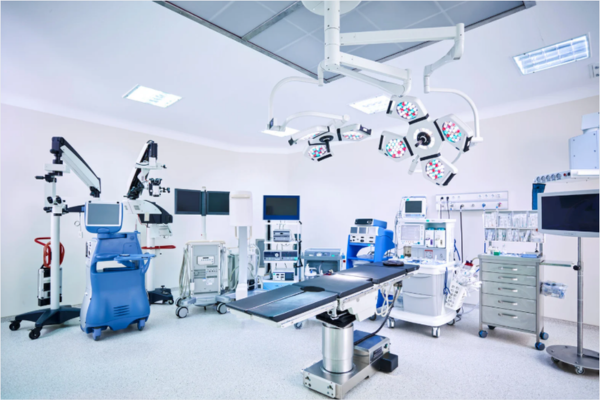
Operating Room Power Supply
Provide reliable and clean power to surgical lights, anesthesia machines, and other critical equipment in operating theaters.
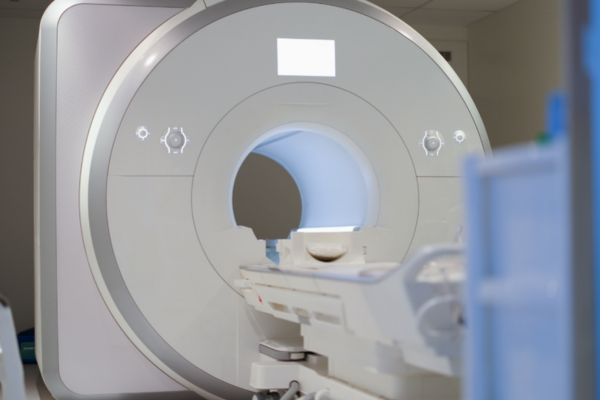
Diagnostic and Imaging Centers
Support high-energy equipment like X-ray machines, PET scanners, and ultrasound devices, ensuring accurate and reliable diagnostics.

HVAC and Building Systems
Power hospital HVAC systems, elevators, and lighting, maintaining a comfortable and safe environment for patients and staff.
What Our Clients Say
“Our hospital relies on a stable power supply for critical operations, and these transformers have been exceptional. They provide consistent performance, even during peak loads, and integrate seamlessly with our backup systems. A reliable solution we can trust.”

Maria Rodriguez
Lead Electrical Engineer
“The transformers we installed have significantly improved the reliability of our power infrastructure. From operating rooms to diagnostic equipment, everything runs smoothly without interruptions. Their energy efficiency has also helped reduce our operational costs.”

Dr. James Carter
Hospital Administrator
Latest Insights
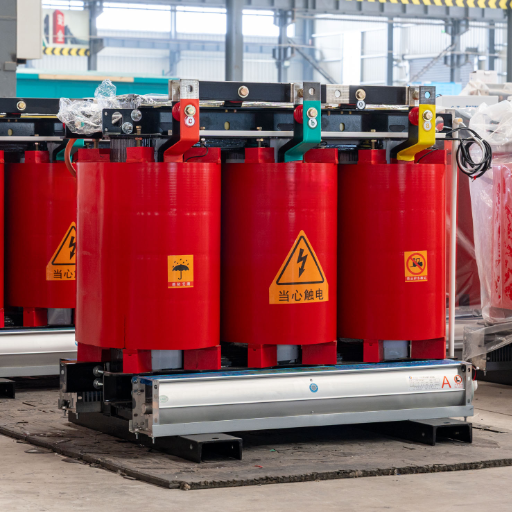
A low-loss dry-type transformer is a dry-type unit designed to reduce no-load (core) loss and load (copper) loss below standard…
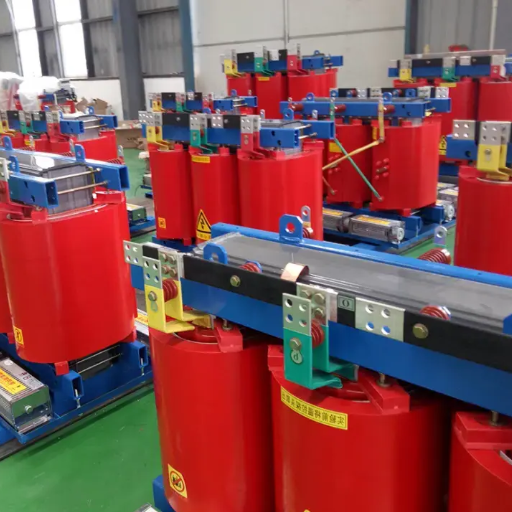
An IEC dry type transformer supplier is a manufacturer that builds dry type units to IEC 60076-11 and can prove…

For a hospital project, a dry-type transformer is the standard indoor choice because it contains no flammable oil, needs almost…

For most indoor installations, a cast resin dry type transformer is the best choice. Its epoxy-sealed windings handle humidity, dust, and strict…
Frequently Asked Questions (FAQs)
Yes, transformers are designed to support high-energy medical devices like MRI machines, CT scanners, and X-ray equipment, ensuring consistent and reliable performance.
High-quality transformers are designed for optimal energy efficiency, reducing operational costs while meeting the power demands of healthcare facilities.
Transformers seamlessly connect with backup generators and UPS systems, ensuring continuous power during outages and emergencies.
Yes, transformers can be tailored to meet the unique requirements of healthcare facilities, including load profiles, space constraints, and compliance with safety standards.
Transformers for healthcare applications comply with standards like IEC 60076, IEEE C57.12, NFPA 99 (Health Care Facilities Code), and UL/CSA listings.
Transformers maintain stable voltage levels, protecting sensitive medical devices from power surges, fluctuations, and harmonic distortions, ensuring safe and reliable operation.
-

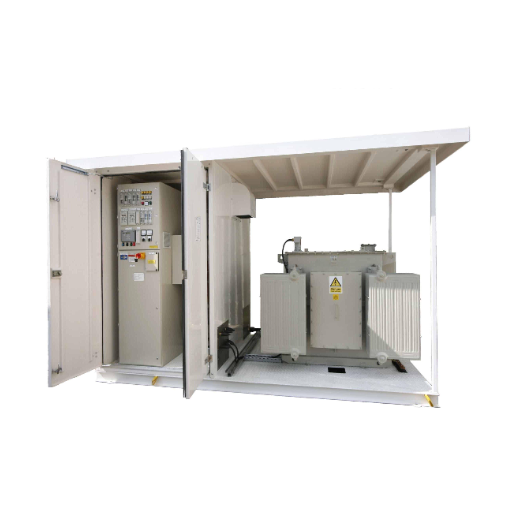
Substation Container
-
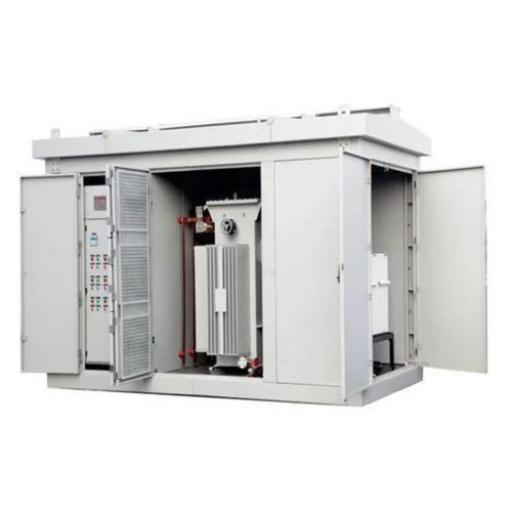
Compact Substation
-
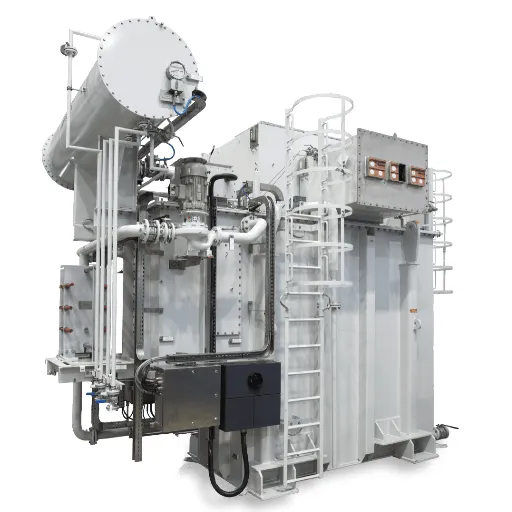
Special Transformers
-
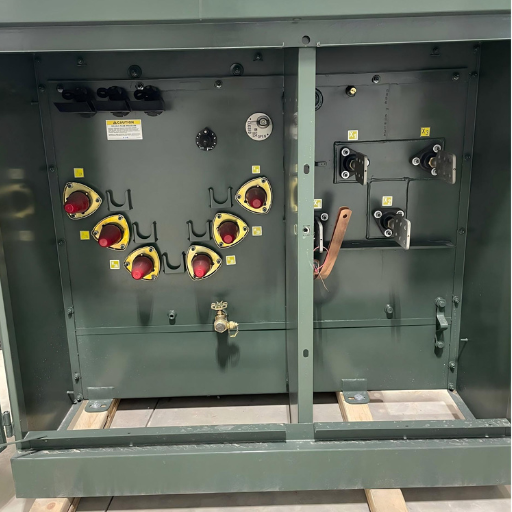
Pad Mount Transformers