

Understanding Transformer Standards: ANSI, IEEE, NEMA & DOE 2016

The function of adjustment is very important because power systems and power supply are highly integrated and sophisticated. Therefore, there are the rules, bearing the ANSI, IEEE, NEMA, DOE 2016, etc., that facilitate their applications towards other components. However, they are generally long, detailed, and cumbersome to read and understand. This article aims to reduce this volume and provide guidelines regarding those that need to be covered and the impact on people that they have. By the end of this article, you will be able to comprehend what transformer standards are and how they apply to the designing, working, and best practices for transformers in the present power networks.
Introduction to Transformer Standards
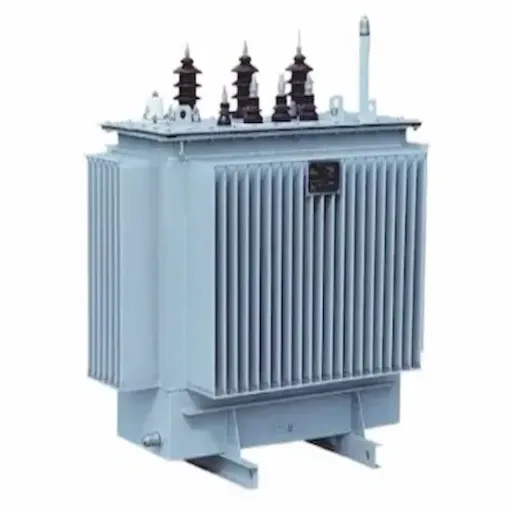
Definition of Transformer Standards
Transformer standards are defined as regulations or guidelines imposed to regulate the use of transformers within any specified function or capacity. Effective guidelines relating to Transformer standards, which are aimed at their healthy construction and usage in different aspects, are prepared at the international level by such organizations many times as the International Electrotechnical Commission (IEC), the Institute of Electrical and Electronics Engineers (IEEE), and the American National Standards Institute (ANSI), respectively. Each of these organizations covers different aspects of designing, evaluating, performing, and installing simple transformer standards applicable to manufacturers, engineers, and utilities, and they vary in scope.
An example is IEC 60076, which is an integral and well-known standard. In general, all transformer standards consist of an index referring to a power transformer specification, dielectric performance, and temperature rise. Similarly, while being considered weak, C57.12 covers parameters of operation of distribution and power transformers in the USA, as well as mechanical construction, insulation requirements, and efficiency of energy.
The global market for transformers also went beyond 58 billion US dollars by the year 2022, as indicated in the statistics cited by international business analysts, and is projected to reach almost 88 billion US dollars in 2030, which would mean a CAGR of 5.5 percent as a minimum. What this market requires is indeed conformity with standards, which promote globalization and the development of electricity systems economically and in a secure and environmentally responsible manner.
Standards continue to evolve with the regulatory needs as a function of technological advancement. Consider the IEC standards, which include energy-saving designs of transformers, and the transformation of the companies’ practices of transformer design so that losses are reduced, and therefore less energy is consumed for the good of all. This suggests the productive attitude within the industry that is already looking forward and taking the necessary steps to improve even the transformer standards, given the current, as well as anticipated, challenges. Members encourage professionalism.
Importance of Transformer Efficiency Standards
The effectiveness of the transformer standards helps to reduce the loss of energy, the operational costs, and further the achievement of conservation of energy in the world. Transformers contribute to about 3% of the electricity losses worldwide (International Energy Agency), indicating their contribution to the relevance of energy efficiency practice. The losses may be reduced and even removed up to a certain point when forwarding efficiency requirements that are fixed, generating economic as well as environmental gains.
In terms of who is affected, several new regulations, such as the European Commission Regulation regarding the compulsory implementation of best available transformer technologies (EU 2019/1783), require that energy losses due to no-load or there being a need for operation of a transformer under any other condition be kept at a particular level. They have been considered to provide, in the year 2030, net electricity savings of about 16 terawatt hours, which is equivalent to the current electricity consumption of around 4 million homes in Europe. Furthermore, outside domestic borders, in the United States, the Department of Energy (DOE) has revised the transformer standards for commercial transformers by an appreciable margin over three decades, which will result in billions of cheating kilowatt hours being conserved.
The positive influence of all such latest trends is not only limited to improving the cost to the utilities and customers but may also help in terms of reducing the impact of global warming and associated climate change, wherein the advancement in technology causes minimal emission of harmful gases, particularly carbon dioxide. These aspirations are further promoted through the use of efficient transformer structures, which advocate the utilization of amorphous transformers, and where the eddy currents are the least of all the typical losses in the core structure caused by the conventional materials. There is a call for the availability of equipment keeping pace with such transformer standards in the market, which makes the industrial operators to design systems economically and eco – friendly without the degradation of the performance of the systems, promising a ‘smart business’ in the energy sector.
Overview of ANSI, IEEE, NEMA, and DOE Standards
ANSI Standards
It is ensured by ANSI’s electrical standards that devices and systems are used in a way that does not prove risky, is inconsequential to quality, and is efficient. One of such examples is the series of publications that is C57 of the American National Standards Institute that lists out transformer standards for transformers used in power and distribution, and also design and testing of such transformers in the transformer industry. Such a standard includes, among others, characteristics of insulation materials, ability to withstand mechanical forces, as well as temperature rise, for it sets the baseline for each manufacturer and system alike. The manufacturers, on the other hand, can comply with ANSI standards to ensure that the consumers will not get fussy or experience any unpleasant working surprise with respect to their products.
IEEE Standards
The Institute of Electrical and Electronics Engineers (IEEE) is a a a A major institution that is established as a design, consulting, and engineering concern of transformers. Some of the transformer standards are IEC 650. 3, which prescribes the physical configuration and validation tests or procedures, and performance characteristics of liquid oil-filled, power and regulator transformers, etc. All the phases are covered with that direction where it is necessary to protect or enhance the functional reliability of the high voltage transformer. IEEE provides guidance on the proper operation of equipment, degradation of conditions, outlines course of actions for prolongation and enhancement of equipment durability using appropriate means, and provides a comprehensive overview of the system that the machinery producers and their clients operate, conserving their system functioning for an extended period of time.
NEMA Standards
The central aim of the National Electrical Manufacturers Association (NEMA) is to develop electrical component and equipment standards to facilitate compatibility of service provision and guarantee performance. NEMA specifications, especially NEMA TP-1 or NEMA TP-2, are used to specify how transformers should ideally perform. Such processes helped to promote products that burn less fuel and improve fuel economy. Additionally, NEMA is quite instrumental in describing the robustness of a particular piece of equipment with respect to the surroundings, and, for example, mounting transformers in such extreme applications.
DOE Standards
In an effort to increase the efficiency of distribution transformers, DOE has provided transformer standards. Particularly, in 10 CFR Part 431.196, the DOE requires the availability of liquid-filled and dry-type transformers at least above the minimum energy efficiency: this curbs electricity wastage and any other losses in line with the Energy Conservation and Production Act EPCA. Those techniques aim at eliminating inappropriate designs from being used on the market amongst architects and designers by adopting measures such as amorphous steel cores. For instance, thanks to these rules, millions of tons of greenhouse gases, including CO2, have been avoided every year, mainly reducing the carbon emissions of a given country.
Combined Impact and Data
ANSI, IEEE, NEMA, and DOE are mainly recognized standards, which instead define the scope for competition for radical transformations that different firms are able to achieve. The DOE says that the US electric power transformer accounts for approximately three percent of the total power loss due to inefficiency, but the fuel savings in this waste might eliminate several trillions of homes as a result of the implementation of energy-efficient designs in transformer manufacturing. According to a 2019 report by the EIA, the transformer standards have helped save roughly 18 TWh since the year 2010 in the US. Such a system not only draws margins for the introduction of a new change, but also aids the development of those companies that manufacture transformers in the quest to overcome the challenges of the internet and climate change locally and globally from a socio-environmental and economic perspective.
Understanding ANSI Transformer Standards
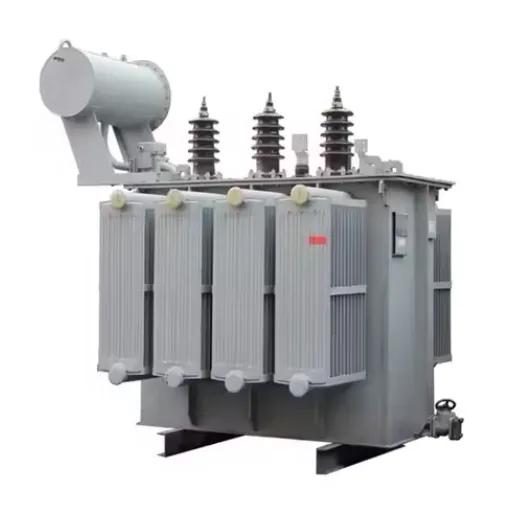
Overview of ANSI Standards for Transformers
The transformer standards of the ANSI (American National Standards Institute) provide general guidelines that focus on harmonizing characteristics of transformers, thus saving customers from products that might lead to harm. These standards include performance expectations, insulation considerations, and testing methods, which are mainly covered by this document by recommending applicable methods to the users.
And since the primary users, and definitely almost all, leveling up the users’ knowledge on the ANSI C57 Transformer Standard is unnecessary, since the transformers are deployed in the power systems. In the ANSI C57.12 series, for instance, all the specifications and requirements with regard to liquid three-phase transformers and their various testing requirements, such as temperature test, insulation test, and short circuit test, are adequately addressed and covered. Additionally, the ANSI C57.91 suggests the best load rating for a transformer and at the same time, ensures that the transformer load is maximized without causing future damage.
In the last couple of decades, action was taken by the respective industry to support sustainability as well as create ways of improving safety needed by ANSI standards. One of these efforts is to raise the design efficiencies of transformers to DOE 2016 efficiency levels, or in other words, levels that uphold the standards of the ANSI. As an example, energy-efficient transformers of the ANSI C802.11-2017 specification save on average more than 30% of energy loss, which in turn reduces the greenhouse gas emissions and mitigates the costs of utility companies toward a defined load.
According to the DOE Statistics, it has been calculated that energy savings as a result of adherence to ANSI transformer standards as well as energy efficiency, will save electricity in the USA by 18 terawatt hours per year, on average, over a certain period of time. When those energy requirements are removed from the equations, there is less dependence on fossil fuels, further cementing the relevance of the said standards in the present economic climate.
In summary, even taking into account ANSI transformer standards supporters’ views on safety, the standards do help in a practical aspect – they secure a safe making of a design, and yet interpret innovation even as it becomes environmentally conscious and more efficient in energy. The said standards ensure the continuity of the system in the power industry because they adapt to innovations and green objectives of the products.
Key Requirements and Testing Standards
The American National Standards Institute (ANSI) issues transformer standards that include minimum acceptable activities and requirements for securing the proper functioning and performance. Even more, these codes include aspects such as loading, power quality, heating, and control of electromagnetic interference. For example, ANSI/IEEE C57.12. 00 just provides generic configurations of design, tests, operation, and safety of three-phase liquid-immersed distribution, power, and regulating transformers.
In addition, a modern transformer is expected to spike energy efficiencies by being energy-conservation compliant as per the energy department of a particular country, in this case, the United States. For example, the DOE’s new transformer standards are intended to limit energy usage in operation. Such an improvement is expected to reduce 238 million metric tons of carbon dioxide over the period of 30 years, according to the existing reports, and such a reduction is significant for the efforts to combat climate change.
Standards for testing transformers according to ANSI standards include dielectric testing, temperature rise testing, and insulation tests to ascertain the compliance of transformer standards under strain and for a given period. Further, the tech approach innovations come with modern facilities and equipment with digital surveillance devices that can show the state of and the functioning of the transformer at any time. In addition to this, standards supporting predictive maintenance will be integrated with these solutions since these solutions will aim to provide the necessary reliability in the electrical system.
Application of ANSI Standards in Modern Transformers
The certification requirements in the context of transformer standards, for the most part, affect product safety, performance, and functionality, which are all vital in the modern world. Such requirements facilitate the design and innovation of the power transformers by setting the operational conditions for the equipment, thus minimizing market access barriers caused by technological inconsistencies. Some examples can include the standard requirements for wires and cables, which are described in the transformer endurance against short circuit strokes, thermal characteristics, and dielectric resilience given in the series of ANSI C57 standards.
The ANSI, the need for deactivation strategies in terms of protecting the trend of innovation in transformer standards arises due to efficiency. For instance, the modern methods for insulation and heat circulation appliances have reduced the heat losses and increased the performance level in the power transformers used for transmission and distribution systems. One of the studies carried out recently was a professional practice report of 2023, in which it was proven that in the case of ‘high performance transformers’ as defined and designed as per the ANSI standards, we accomplish 30% lower power consumption. Furthermore, it should be noted that the ANSI requirements predisposed the management to the incorporation of some real-time measures in the facility in order to allow for an instantaneous assessment of load patterns, oil temperatures, and even faults in the transformer, for example. Such measures allow prior analysis of the need for maintenance, thus preventing accidents as well as costly utility downtimes and replacements.
The introduction and subsequent rollout of the upgraded transformer standards and further adherence to those standards usually enhance the manufacturing efforts of companies. Additionally, these lukewarm you many attempt but only comes with benefits, which are able to reach the other members of the grid worldwide without any restrictions. That is in line with the increasing focus on the need to appreciate and embrace the use of renewable energy.
IEEE Standards for Transformers
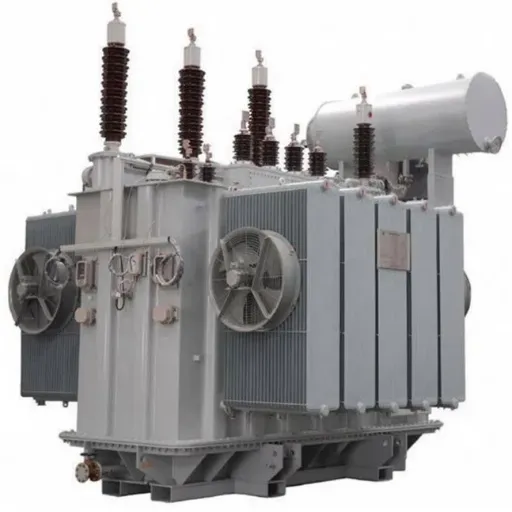
Introduction to IEEE Transformer Standards
The Institute of Technology and Electrical Engineering (ITEE) issued several recommendations for the transformer standards to help in the application of that equipment in the system safely and in terms of proper performance as well. For example, IEEE C57 is an entire series formulated to cover requirements on power and distribution transformers in terms of their creation, testing, and maintenance.
Take, for instance, the document IEEE C57.12. 00, which describes general requirements of liquid-immersed distribution as well as power and regulating transformers with respect to insulation levels, loading, temperature rise considerations and practices, and many more aspects. On the other hand, the standard IEEE C57.12. 90 is devoted to the procedures of tests, allowing to ascertain that the transformers happen to be of the required performance before dissemination. Performance verification standards for transformers include impulse tests, short circuit strength tests, and temperature rise tests.
A few IEEE C57 standards have been revised recently to incorporate the latest technology and developments in the field of electricity grids and renewable energy sources. IEEE C57.91 is an example of such standards. It provides direction on the demand level appropriate for self-cooling liquid-filled transformers depending on the weather (hot, cold) and load duty factor. This method of planning draws on reliable quantified data, which helps to make sure transformers remain free from being overwhelmed by make sure the expanding needs.
Moreover, transformer standards also focus on environmental protection. Thus, in pursuit of international carbon emission reduction in energy, new standards advocate for the adoption of insulating fluids and materials in transformers that are friendlier to the environment.
According to statistics, it is significant to comply with IEEE transformer standards because only 1%-2% of transformers fail worldwide under these transformer standards; the risk of failure is higher in non-IEEE systems. Hence, IEEE ensures optimum performance of transformers not only in the present needs of the grid, but they are also fully able to operate in the advancing energy systems.
IEEE standards, in aggregate, create a necessary platform upon which the power systems around the world can rely. Therefore, these standards are regularly revised and popularized at the international level to allow for advances in the design of transformers regarding present-day power and technology improvement challenges.
IEEE Standards and Transformer Efficiency Metrics
The transformer standards are those specified in the IEEE, where the transformers should only transfer the designated powers for a certain period of time with minimal energy losses. So basically, it is something like the performance levels, such as no-load (or core) losses and load (or winding) losses, which come under the C57 series that we will look at in relation to the distribution and power transformers. It means in simple terms that these parameters are more dominant at the capacity of the transformers to meet the requirements of the loads.
With energy saving becoming a global trend, more innovative applications of power transformers are being promoted. For instance, procedures to measure internal losses and analyses of that measurement were presented in IEEE C57.12. 90. Distribution networks, according to C57.12, do not permit any alterations within such networks, whereas IEEE 1547 has administered use of transformers within an EPH. These new transformer standards include every performance of a transformer which could be examined in accordance with the set principles and globally worn tendency to save energy and the use of the transformers for that purpose.
Recently conducted research shows the effort of nations toward the implementation of transformer standards on energy efficiency. According to the analysis of markets, nearly all new distribution transformers, are included in the standards in developed countries, the eiciency of the average medium power transformers which further proves the hypothesis. The article notes that utility transformers, commonly used in power companies, can mostly operate with efficiency factors that surpass even 99 percent. In addition, little energy will be lost due to the use of amorphous core materials as well as the iee standards that modify the magnetic flux sections of redesigned cores, thanks to alternative Sino steel used in constructing the cores, resulting in the cores losing less energy to up to approximately 70% less than the case use of Sino steel.
The installation of such far-reaching parameters, along with new techniques, allows IEEE to produce non-emission transformers and alleviate climate change simultaneously with energy saving or clean practices. These numbers are evolving every time to state that society is organised towards energy-efficient policies in the production processes.
DOE 2016 Transformer Standards
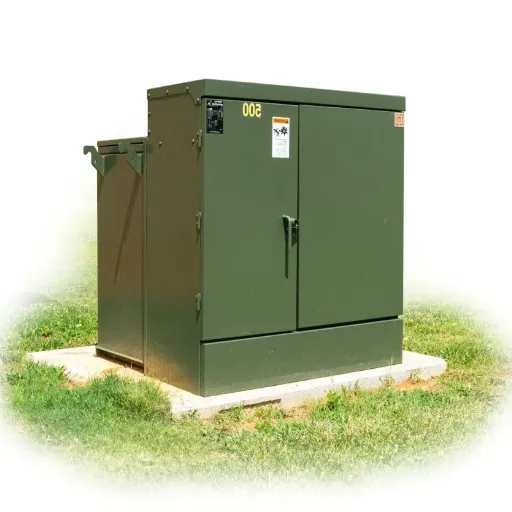
Overview of DOE 2016 Efficiency Standards
In the year 2016, the Department of Energy (DOE) raised efficiency standards for both liquid-immersed and dry-type medium voltage distribution transformers. Transformer standards were developed to address the problems with energy consumption over a transformer’s period of service, considering cost and the environment. Therefore, after 2016, there is a law containing new efficiency standards that further clarify what type, size, and duty cycle of transformers are to be used, and that they are efficient, mandated by law is a comparatively higher standard than the old one.
Changes to transformer standards in 2016 by the Department of Energy include adjustments in both no-load and load loss. In particular, no-load losses are the energy that is consumed when the transformer is operational but is not connected to anything. Load losses on the other hand, are the dissipative losses that are associated with the energy-transmission. It was pointed out by the DOE that these announced standards were expected to result in approximately 3.63 quadrillion Btu of energy savings during a period of 30 years, and help in fighting against the emission of 264 million tonnes of carbon dioxide, which is caused by coal burning.
As applied in the case of fluid-filled transformers, there were arguments that the fabrication standards should entail the incorporation of modern construction materials: cores made of laminated amorphous steel, which are much lower in losses than those made of silicon. Dry-type transformers, on the other hand, call for the employment of advancements in design and materials to render higher energy efficiencies. These efforts were not just a function of attention to detail, but also were done well in the spirit of environmental preservation issues.
Several countries had indicated that the improved energy efficiency transformer standards were expected to be in force starting on January 1, 2016, prompting a quick reaction to search for new methods of production of such transformers. In addition, the DOE provided a comprehensive cost-benefit analysis, which revealed that although these transformers will cost more initially, there would be economic benefits in saving the cost of utilities for consumers and enterprises. This is also the reason why the DOE 2016 standards, which were locked in earlier, allow for the preclusion of energy waste within the electricity systems.
Impact of DOE Regulations on Power Transformers
In 2016, the regulations, which were adopted and pertained to distribution transformers, facilitated advances in power transformer technology. As demonstrated by major periodicals, transformer standards have cut energy-losses incurred through distribution transformers by a factor of thirteen percent, which is among many measures that the government has been advocating for in the pursuit of heightened sustainability. Therefore, these strict new standards have forced companies to dedicate scientific and technical means, i.e., R & D, to, for example, the development of better steel grains, novel copper winding designs or compact amorphous iron cores, which reduce the no-load loss.
According to the National Electrical Manufacturers Association (NEMA), the latest reports reveal that under the new standards, about 30 terawatt-hours (TWh) can be saved every year. That number can serve more than 2.8 million US households. Coupled with low-carbon energy initiatives, the benefits can decrease carbon emissions by more than 15 million tons annually.
Under the new regulations, the dimension of total cost of ownership (TCO) was introduced into the selection of equipment, which meant to add more burden to utilities and people when making safe purchase decisions. A lot of firms fulfilled their break-even periods and started earning net profits within three to five years due to very low operating costs, which gives further evidence of the usefulness of DOE-compliant transformers.
The modification of the regulations is in favor of energy-saving electrical devices to some extent due to the fact that they all have similar energy objectives. Nonetheless, certain areas prove to be difficult, such as how small-scale producers will take part in the process, which would involve production increase and inevitably increase costs, and the logistics of how the current demand and supply will be managed. In light of the aforementioned matters, it is reasonable to conclude that the DOE’s transformer standards cause significant changes to the energy efficiency, waste management, and environmental measures within the country.
Comparative Analysis of DOE and Other Standards
The Department of Energy (DOE) energy efficiency standards are a reference point in this respect, though these are not the only regulatory regimes existing worldwide. For example, there is the EU’s Energy Efficiency Directive that requires energy reduction objectives to be met at the national level. As per the information provided, the EU surpassed its target in 2020 by at least 17% reduction in primary energy consumption, explained by the aggressive energy efficiency implementations in place.
Similarly, China’s Minimum Energy Performance Standards (MEPS) are some of the most rigorous in the world. It has been reported that these measures have helped to conserve energy in the industrial sector by up to 12% in the period of their existence. In contrast, the DOE transformer standards take a different approach, such that the enhancement of appliance efficiency has resulted in estimates of up to $3.5 billion in savings to consumers annually, courtesy of new measures implemented.
Moreover, Japan’s Top Runner Program is quite effective because it is designed in such a way that manufacturing companies take the initiative to push stimulating innovations for energy savings, most remarkably surpassing the bare minimum obligatory standards of regulation. It is worth recording that since the implementation of the policy, almost every sector achieved 20 per cent CO2 emission reductions in the industries covered during 2010-2020. With this level of effort, the performance far exceeds the DOE’s estimation of achieving 1.7 billion metric tons of greenhouse gases within two decades under past reforms.
This comparison of figures highlights the large divergence in regulation practices, but also demonstrates the common convergence of nations towards combating and lowering energy use. It shows that there is no single solution, as different parts of the world have contributed to the same endeavor, but in a rather heterogeneous manner, depending on the priorities of their geopolitical or economic advantages towards sustainability.
Types of Transformers and Their Standards
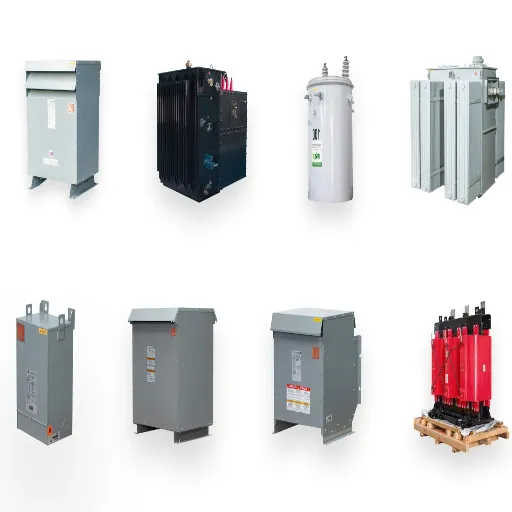
Power Transformers: Standards and Applications
Power transformers constitute an integral part of every electric grid or industrial installation, being mechanisms through which the electric current across different points at each section of the electric grid is improved. Prescribed ways of constructing transformers, manufacturing and testing them according to respective regional and global bodies, result in the appreciation of affordability, reliability, and all such concerns. Some of the transformer standards that are known to help in improving the system efficiency and reliability include IEC 60076, published by the International Electrotechnical Commission (IEC), as well as IEEE C57, published by the Institute of Electrical and Electronics Engineers (IEEE), among others. Mentioned above standards also define principles of critical insulation, cooling, bearing as well as efficient loading.
Transformer efficiency restrictions, advocate making recent changes, the European Union Ecodesign Directive Tier 2 specifications, as revised in 2021, considerably enhanced this energy use outcome metric. This has been supported by figures from 2023, pointing out that only high-efficiency transformers satisfying Tier 2 can result in 17 TWh/yr savings in Europe alone. The United States has an opposite example where the transformer standards requirements dealt with by the DOE equally require compliance with the efficiency standards of the Energy Conservation Program. Consequently, it could be a so far about 30% a reduction in the total grid losses by the new high-efficiency transformer series compared to the old series.
Power transformers are used for a wide range of purposes, starting from a generating station to assimilation of renewable energy in electricity networks to eliminate wind farms and or solar power alone. In the majority of cases, such simple phase shifters within renewable energy projects are located at 400 kV or lower voltages and provide up and down transformation. It has been observed lately that the majority of the power transformers are incorporating digital monitoring equipment as a part of the smart grid for enhancement in load handling, reduction in probabilities of breakdown, and in addition, facilitates the performance improvement on a real-time basis.
In such aspects, technological progress and the presence of international power transformer standards, in some cases, highly adequately address the increasing energy demand over the whole territory of existing and new buildings without increasing costs and causing harm to nature.
Distribution Transformers: Efficiency and Design Standards
Distribution transformers play an important role in the transportation of electric power for its utilization by end users as they step down the transmission voltage level. With advancements in design and material properties, the effectiveness has continued to improve over time to meet the global energy demand for other aspects as well. Such is a standard stipulated by the Minimum Efficiency Performance Standards (MEPS) that regulates development in the same respect, such that there are limits imposed on the loss of transformers during their use.
USD-approved studies conducted would clearly indicate an improvement in the energy efficiency of the new generation transformers when compared to the old generation transformers, accounting for more than 70 percent of the energy savings. In particular, the economic analysis of the amorphous core transformer is based on the fact that it has an excellent electrical performance, especially in that core losses are nearly eliminated, reducing the no-load loss runnings. However, the transformer standards of most regions and even in the world, for instance, IEC 60076-series and Eco-Design in Europe, have taken into consideration the aspects of reducing not only manufacturing cost but also that of operating the equipment, to increase efficiency.
Another thing to bear in mind is that the requirements of efficiency levels are also high, which explains the use of highly silicon-rich steel and the techniques of structural engineering of cores. It is also worth mentioning that the developments in smart systems that enable accurate measurements of loads on a continuous basis also help in the proper functioning of the transformers and enhance their capacity.
It is also worth noting that such measures for mitigation against climate change have brought about green transformers. As an illustration, the system can make use of bio-based oils, which are biodegradable, as insulation damages and still achieves the same effectiveness. The global market for transformers is predicted to grow at an annual rate of 6.5% during the years 2023 and 2030, and therefore, enhanced concern around energy conservation and transformer standards is anticipated.
High-Efficiency Transformers: Compliance and Benefits
The importance of this element is essential to be in our arsenal, especially when we are engaged in modern electrical systems. As a matter of fact, as high-efficiency transformers are introduced, this element has importance in terms of reducing energy losses. Whenever proactive energy-efficiency policies or plans are being implemented however, within a set circular energy efficiency measures such as the advanced transformer efficiency levels ^ as the case of motivation is that of the US Department of Energy, DOE, or other such identifiable policies, or the Directive on the reputable EU Ecodesign then every associated power transformer needs to be willing to operate at certain efficiency requirements or some other particular performance benchmarks. There are also so many forms of efficiency in the US energy markets pertaining to equipment replacement. In illustrative terms, most of the energy that would have been utilized with the technologies that may already be outdated requires replacement as well.
A good case in point is the Tier 2 energy efficiency levels mandated by the Department of Energy, effective March 2023. Such targets aim for the use of value-engineered construction materials such as thin amorphous silicon steel teachnology which by design, enhances statorakanistic manufacture but not at an untoward economic cost. Based on the above argument, analyzing industry information, low hanging fruit of optimal design application can cut back the cost of power consumed in the country. It is estimated to be $2 billion per annum. Also, due to increasing utilization of renewable sources of power generation, transformers that are considerate to the environment are being looked for so that it takes the minimum time to link with wind and solar pylons in a given network. Such being the case involves employing highly efficient transformers is one of the tools that would enhance the sustainability of energy, taking into account the most stringent directive.
Reference Sources
-
Energy Conservation Standards for Distribution Transformers
This document from the U.S. Department of Energy (DOE) outlines the energy conservation standards for distribution transformers, consistent with NEMA publications.
Read more here -
Energy Efficiency Regulations and Requirements for Distribution Transformers
Published by NEMA, this document highlights legislation and regulations affecting distribution transformers.
Read more here -
Electrical Protection Standard Harmonization Challenges: IEC Versus ANSI/IEEE Does Matter
This paper examines the challenges in harmonizing IEC and ANSI/IEEE standards, focusing on transformer specifications, current transformer requirements, and NEMA criteria. It provides insights into the differences and implications of these standards.
Read more here
Frequently Asked Questions (FAQs)
What are ANSI transformer standards, and why are they important?
The American National Safety Institute (ANSI) is responsible for the development of transformer standards, which govern the operation of transformers with respect of certain levels of performance, safety, and reliability for such equipment. These standards ensure all are on the same page regarding standards in the electrical industry on how transformers must be constructed and operated in a safe manner. At times, the ANSI also has a say in the extent to which manufacturers adhere to the norms and constraints of the industry.
What differences are there in IEEE versus ANSI transformer standards?
With respect to transformers, the standards that are in place are within IEEE i.e Institute of Electrical and Electronics Engineers. Other than having an aim of harmonizing and standardizing the regulatory provisions globally, ANSI also influences the steam generator. For instance, most of the standards include the designing, operational, and test aspects of the transformers, which are more appropriately designed under the relevant IEEE standards. In several instances, the ANSI standards also incorporate or adopt the IEEE standards, meaning that they are supplementary and not complementary.
What role does NEMA play in transformer standards?
NEMA is traditionally known for defining and providing technical as well as environmental specifications on the design and performance of individual electrical components of a unit, for example, transformers. Defining transformer standards in accordance with NEMA standards ensures that the design of the transformer takes into consideration the intended purpose so that it can perform through various conditions of use. There is also some degree of certification for the purposes for which the equipment has been designed.
How does the DOE 2016 regulation impact transformer efficiency?
The 2016 U. S. Department of Energy (DOE) directive introduced new energy performance standards for distribution transformers that are more efficient and draw less power during operation. Drive these efforts towards a cleaner and more energy-saving country. Hence, the legislation on transformer standards production imposed that such transformers be produced, which established the need for new iron core designs and transformer models, enhancing the efficiency of transformers.
What factors should manufacturers consider to ensure compliance with all major standards?
In the same vein, manufacturers also have to strive to meet the standards of ANSI, IEEE, NEMA, and DOE, which are designed to improve performance, efficiency, energy saving, and safety controls. In addition to having performance requirements, manufacturers testing energy losses as per the Department of Energy (DOE) often require the use of certain platforms and advanced components. Combinations of these transformer standards ensure that transformers that are very efficient and reliable in all applications are engineered.
Why is adherence to these standards critical for renewable energy systems?
Energy grids designed on clean energy, such as wind or sun should be able to interconnect with high-quality transformers. This makes them key infrastructural elements. The transformer standards developed by ANSI, IEEE, NEMA, and DOE ensure that transformers that can operate with variable loads are both efficient and reliable, even in adverse environments. Such technological advancement further helps the achievement of sustainable development goals all over the world. It lowers the base responsibility by furthering our integration transformation standards to renewable energy waste and environmental impact concerns.