
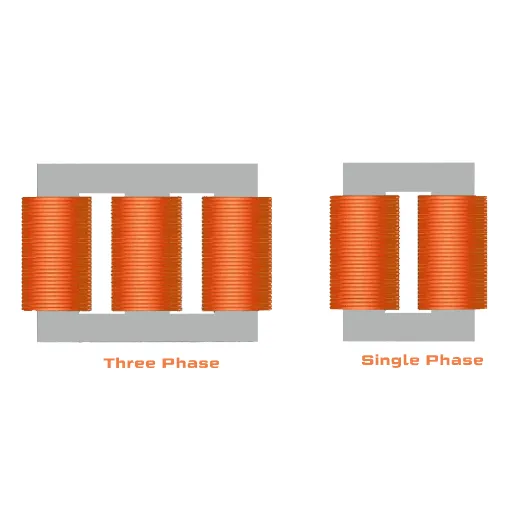
Single Phase vs Three Phase Transformers: Key Differences Explained

Within an electrical system, transformers provide efficient power transmission and distribution of electricity. Nevertheless, the focal point in the selection of a transformer remains the type; single phase vs three phase transformer. In the sphere of electrical design and installation or in the umbrella of operation and management of heavy machinery, it is essential to know the differences between the single phase and the three phase transformers. Knowledge of the above aspects is not easy, and the present piece of writing looks at the above aspects to help in making a choice of a transformer that is suited for the task.
Understanding Transformers
What is a Transformer?
A transformer is an electrical apparatus designed to enhance the transmission of energy from one electrical circuit to the other using the principle of electromagnetic induction. This is achieved through the use of a magnetic core and several coils of wire wound on it also known as windings to step up or step down voltage dependent on the application at hand. These devices are very important for the economical transmission of electrical energy over long distances and also for regulating the amount of power required in different instances.
The importance of transformers in transmission of power from generation stations to domestic, commercial and industrial consumers cannot be over emphasized. They facilitate the transmission of electrical energy over long distances by increasing the voltage levels, hence reducing the energy loss due to heat. When the electricity gets to its last point, other step down transformers lower the electricity to a manageable and safer voltage. This capacity enables the easy and responsible dispensation of the electrical power.
Transformers are used in almost all household appliances and large power grids as they are built to be reliable and efficient. It would have been impossible to operate electricity and technology today without transformers, making them indispensable. Transformers are of use in an industry, a renewable system, and electronics as well because of their function to meet up the energy requirement and sustaining the power supply.
Types of Transformers
Different transformers are made for different conditions to transform energy in a suitable way. Some are easily available like the step-up transformers or step-down transformers. Step-up transformers maintain voltage at a higher level which is very important in transmitting electricity from one place to another without wasting much energy. On the other hand, step down transformers decrease the voltage so that it is applied safely to energies near the population like houses and businesses.
Another important group is distribution transformers, which supply power to the consumers from the power substations. These types of transformers assist in the provision of voltage for domestic appliances which can be very useful. On the other hand, power transformers are utilized in transmission networks for stepping half or full capacity voltage within industrial or several applications with ultra high capacities.
There are other kinds of transformers like the isolated ones apart from the auto transformers which can also be considered as classical examples of transformers. With isolated transformers, each circuit has its own isolation in order to avoid shocks. This comes in handy in cases requiring safety precautions while autotransformers are uni-coil transformers and are best suitable for rather wide-scope as far as variable voltage control is concerned. All transformers do play a role in the effective use of electricity, each in its own way.
Importance of Phase in Transformers
Phase is one of the most crucial factors of transformers since it is the one that specifies the way that electric power is getting transferred between the circuits. Transformers are created to keep the right phase alignment between the input and the output, hence the energy moving together with the connected systems is highly effective and that the systems are running properly. Most systems and machines in plants operating on transformers should be synchronized with the source or each other so that they can work as expected. Just ten degrees can lead to significant power losses, even with the very best transformers.
Single-phase and three-phase transformers are the most common types found in use. Single-phase ones are very much used in the household and small power applications since they are much simpler compared to the three-phase ones. Conversely, the three-phase transformers are the ones which are made for huge power industry and commerce applications, as they offer a more stable and efficient supply of electricity. Three-phase systems guide power in a balanced way, which will mean the energy losses are going to be minimal leading to better power supply and reliability.
⚠️ Important: It is very important to keep the transient phase in transformers otherwise there can be power quality problems and even equipment damage. For example, not having the correct phasing can cause the voltage to become unbalanced and thus it may overheat or lose efficiency.
Single-Phase Transformers
Definition and Functionality
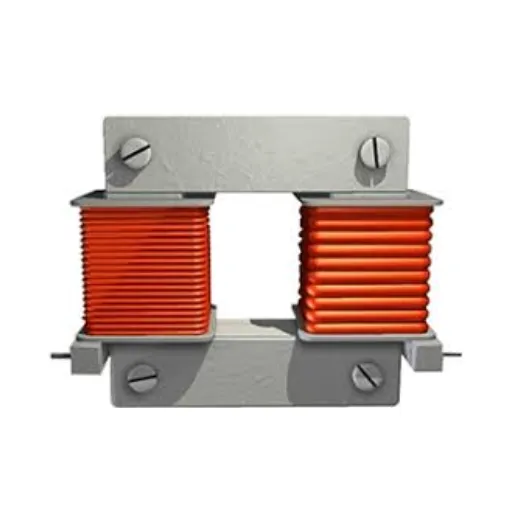
Transformers with single phase supply are the most important equipment in power systems. They are mainly intended to increase or decrease the voltage level from one circuit to another. They work on the principle of electromagnetic induction where the current flowing in the primary winding makes magnetic flux that, in turn, induces the corresponding voltage in the secondary winding. Such single-phase transformers are commonly installed in residential, small commercial and agricultural areas where the need for single-phase power is strong. They are simple in design and hence very efficient and reliable in performing the given tasks.
Single-phase transformers can be used in many practical situations, as they provide the reliable and efficient electricity transmission. It is clear in the case of residential zones where the transformers provide the households with levels of voltages that are safe for the appliances and lighting. The transformer core that is normally made of laminated silicon steel serves the purpose of minimizing energy losses during the transformer’s operation, and at the same time, the windings that are made from copper or aluminum are the support for the optimal conductivity. Because of the improvements in materials and manufacturing methods, today’s single-phase transformers are characterized by higher efficiencies, lower losses, and longer working lives.
Moreover, single-phase transformers are a key part of many distribution networks. They function primarily when three-phase power systems are not available or suitable. Their inherent design simplicity is ideal both for minimizing maintenance needs and ensuring durability that extends the operational life to the years bracket. Furthermore, they are the most useful in the trend of sustainable electricity production due to the increasing renewable energy systems, as they can still be used together with these systems. The single-phase transformers remain in the lead by adding the modern safety features and improved insulation technologies making them the most suitable responsive to the needs while at the same time advertising their capacity and the adaptability.
✓ Advantages of Single-Phase Transformers
1. Economical Design
Single-phase transformers are mostly used for residents because of their economic and embedded design. The size does not prevent such positioning even in places with restrictions on capacity.
2. Value-Driven Strategy
These transformers are relatively cheap, be it three-phase or single phase vs three phase transformer maintenance. It is not rocket science, no hard materials are involved, so the overheads naturally go down and the transformers enter different levels of applications.
3. Energy Saving
Single-phase transformers have been introduced along with miniaturization to address the concern of minimizing energy losses. These traditional transformers compensate this limit quite effectively through the help of well-developed core and insulative materials which allows transformers nowadays to be more than 95% efficient under appropriate conditions.
4. Stability and Resilience
A single-phase transformer is generally more reliable than a three-phase transformer because it contains relatively lesser moving parts and is constructed with more durable features. This ensures higher efficiency due to less risk of downtime which tends to avert breakdowns and augment services over a long period of time.
5. Different Usages
There is a wide range of uses as a single phase vs three phase transformer, including supplying energy to electrical gadgets in the house and even some rural area electrification systems. Their versatility can be attributed to the fact that unlike some other systems, they can work with each level of voltage that is presented.
Common Applications of Single-Phase Transformers
Transformers are by far the most versatile electrical components used in present day machinery, appliances and electronics that consume electricity. Their utility in various sectors is addressed below:
- Domestic Application
In most of the cases, high voltage transmission and distribution network supplies line voltage, but voltage at the domestic level is low. Such single-phase transformers reduce three-phase voltages levels down so as to meet the needs of domestic supply. - Rural Development
These devices are primarily used in form factors for rural electricity networks. They provide great convenience by allowing many kilometers of lines to be deployed to the particular point where electricity needs to be supplied. - Commercial and Industrial Systems
Single-phase transformers are also in popular demand for smaller scale industries and offices with low energy consuming machines and equipment. Additionally, their use is necessary for the stabilization of voltage levels in electronic devices susceptible to power fluctuations. - Green Power Systems
Use of single phase transformers is widely appreciated in green energies like renewable electricity supplying systems of the solar power plants or wind farms. Working as reverse transformers, they convert excessive output voltage of the generators into generally accepted levels of distribution network. - Street Lighting and Other Infrastructural Facilities
This type of transformers guarantee stable functioning of street lighting lamps as well as any other public lighting system even in conditions of highly dynamic loads.
With the modernization taking place, single-phase transformers prove to be ever more efficient with minimum power losses and higher compatibility with the present energy systems. The universal functionality in question marks this piece of equipment as relevant, as it was decades ago, and as it exists still now.
Three-Phase Transformers
Definition and Functionality
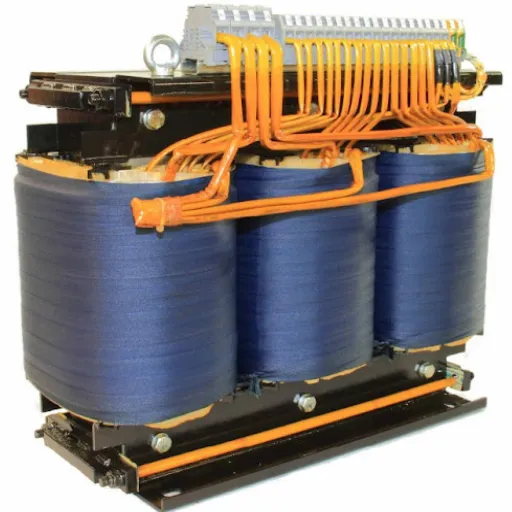
Modern electrical systems will not function efficiently without three-phase transformers, the design of which is to carry and distribute electric energy in a most efficient manner across vast industrial, commercial, and utility sectors. Three-phase transformers, in comparison with single-phase transformers, are the king of high-power tasks with their design all set to take on the doubled or even tripled power demands. The windings in the three-phase transformers, which are primary and secondary, are connected in one of the various configurations such as the star (wye) or the delta. Power transfer among the three AC phases is made possible by this configuration and that, in turn, ensures a consistent flow of power. The low energy losses and the maximum efficiency are further contributed by the three-phase system to a great extent while the system can be called as an ideal one and suitable for high demand like the manufacturing facilities, data centers, and the power distribution networks.
Three-phase transformers not only balance the energy flow but also by their design they provide an optimum solution for this flow. When it comes to the usage of all three phases simultaneously the transformers maintain the voltage levels at fixed levels all the time so that the stress on the electrical equipment considerably gets reduced and at the same time the operating performance is thereby increased. They are an essential part of the system, namely in the case of the voltage transformation in the power distribution network as the three-phase transformers step up the voltage at power generation plants to cut down on the transmission losses and then they step it down at the near-end of the end-users’ area, at substations, for a safe and efficient utilization. Not only that but the rugged construction, often in combination with the advanced cooling systems, makes sure that the transformers function reliably in challenging environments.
The performance of three-phase transformers has increased dramatically with the latest developments. The energy losses that occur at the same time getting rid of the dead spots and increasing the life of the device is the result of such reasons as the use of amorphous core along with the improved insulation. The smart transformer is the integrated technology which encompasses the capabilities of the IoT (Internet of Things) by making possible the monitoring and predictive maintenance of real-time power supply. This transfers the gains of enhanced efficiency as well as the means of improving the grid reliability by spotting the potential problems before they lead to power cuts. Even though the energy systems are becoming more and more complicated, the three-phase transformers are still the most flexible that they can easily manage the supply and demand as well as support the energy system changeover.
✓ Advantages of Three-Phase Transformers
1. Greater Efficiency
In large power loads, using three-phase transformers instead of single-phase ones is efficient. They help minimize energy losses while it is being transmitted and distributed, and this is very important in installations especially industrial and commercial ones.
2. Compact and Lightweight Structure
It is possible to fit more power into a three-phase transformer compared to multiple single-phase transformers of the same capacity. The materials and hence the costs of installation are much less.
3. Economical
Economically, it is better to have a single three-phase transformer as opposed to three different single phase ones. In addition, this helps to bring down the purchase price of the equipment and also the maintenance costs in the long run.
4. Even Load Sharing
In three phase systems, it is easier to distribute load evenly across phases thus reducing the vibration effects and wear out of the electrical machines. It ensures proper functioning of all devices and increases their life span as much as possible.
5. Ability to Generate a Large Amount of Power
As opposed to single phase transformers, the transformers composed of three phases have a higher capacity to accommodate more load capacitive power. In other words, they are designed for purposes which require a lot of energy-intensive industrial applications.
The aforementioned advantages highlight the relevance of these types of transformers to the current energy systems, as they possess all of these benefits that can and are applied in other components of different industries like manufacturing, energy, infrastructure and so on.
Common Applications of Three-Phase Transformers
The potent utility of three-phase transformers have made them popular in various areas where integrated high power handling is required. The most common of such uses involve:
- Power Distribution Systems
These sort of transformers have made it possible to distribute electricity from the generation stations to the end users such as those in residential and commercial business premises. The ability to manage high voltages as well as even distribution of the power being conveyed have made them these devices the turning point of all electrical grids of the past and that of the present. - Motors & Drives
Most heavy machinery and equipment in manufacturing, mining, or oil and gas industries can only operate due to the availability of three-phase power which these transformers provide. Such transformation is also useful in reducing the worries of equipment breakage or delay by providing steadiness of power. - Clean Energy Solutions
Three-phase transformers are also used to connect the energy sources from renewable energy sources such as wind turbines and solar farms to the grid thereby enhancing the generation of power. These include functionality for ease of transmission steps taking the form of up-lifting / down-lifting voltage. - Cooling Systems
Advanced HVAC units and refrigerating units, mostly found in workplaces and production units are all powered by transformers which are mainly designed for three phase power distribution. - Transportation
This sector includes metros, railways and most noticeably electric vehicles (EVs) such as cars require three phase transformers to be used due to the high consumption of energy which also depends primarily on the expansion of the electric transport network.
The incorporation of three-phase transformers for the enhancement of the working efficiency of these indispensable systems aids today’s development which focuses on different spheres of industry.
Key Differences Between Single-Phase and Three-Phase Transformers

Efficiency Comparisons
One characteristic in which single-phase and three-phase transformers can be distinguished from each other is power distribution efficiency. Three-phase transformers are highly suitable for power transmission and distribution because of the continuous power flow from the three AC phases which cause them to be economically lossless. This kind of transformer design undoubtedly reduces energy losses, making the system more stable and reliable. In contrast, single-phase transformers are known to be less efficient in transmitting power but they are more commonly used in small applications where the energy demand is low.
Furthermore, three-phase transformers are generally more potent than single-phase transformers. Consequently, they are being regarded as the ideal option where the availability of sufficient space and efficiency is important. For example, they are used for providing power in factories, transmission of electric power through power grids, and in the construction of high-performance equipment, while single-phase transformers are often used for domestic and minor power uses like supply for electrical appliances. Moreover, the wise use of three-phase systems makes them less likely to overheat and hence reduces the maintenance expenditure considerably.
💡 Key Insight: Cost-effectiveness has a big role to play when working on a larger scale. Three-phase transformers might be the costlier option at the beginning but as their effectiveness is top-notch and the level of lower energy losses, they do often catch up with one another in terms of being more efficient to save the long-term total operational expenditures.
Power Delivery and Phase Power
The provision of electrical power in the systems is fundamentally dependent on the kind of phase power it uses, whether single-phase or three-phase. The single-phase power is most frequently used in the residential and small-commercial sector for supply to standard appliances and lighting. But, these supplies fail to satisfy the needs of high power demands, as single-phase power allows the transmission of energy only during one wave cycle, which makes the power uneven and inconvenient to be used with the high power loads. In contrast, three-phase power is a common power system for industrial and commercial applications in many grid systems. This operates with three sets of synthetic waves that are displaced 120 degrees from each other, resulting in a smoother, more pristine power input that conserves energy and can therefore be sustained by heavy machinery or broader power networks.
The benefits of efficiency go far beyond just having smooth operations. Generally, energy losses are very little with three-phase energy since balanced waveforms reduce the stress on transformers compared to single-phase energy. And yet another advantage is the prolongation of equipment life that may save on downtime and maintenance. Industrial systems are great examples where an equipment collapse really hits hard. However, single-phase systems solve simple problems and are immune to maintenance costs which could satisfy lower power-consuming loads.
Due largely to modern improvements in energy management technology, the capacity of three-phase systems has been further developed. Systems can now be smoothly monitored and optimized by the use of IoT-based tools and smart grids that allow for real-time power usage tracking, predictive maintenance, and adaptive resource allocation. Now, in view of changes in the global narrative surrounding sustainable practices, these innovations not only seek to shrink energy consumption but also ameliorate grid efficiency in totality. With these utilities being made adaptable to both industrial and residential initiatives, three-phase power supply systems are thereby addressing ongoing needs as well as forecasting a distinct future of smarter and more efficient holistic energy utilization.
Cost Considerations
The evaluation of costs for installing or upgrading three-phase electricity delivery systems would take into consideration many factors so that proper budgeting and financial viability are addressed. Among the considerations mentioned, the installation of a new three-phase system will engulf the lion’s share of initial costs, as it will involve a system that can make use of large-capacity transformers, circuit breakers, and cabling, amongst others. These components are not economically viable in the short term, as they are cost-intensive due to their hefty construction and better service as opposed to what would be for a single-phase system. Furthermore, labor charges for the professional installation could increase the net cost, more so in some settings including industrial and commercial scales.
Another critical consideration with regard to costs would be ongoing operational and maintenance expenditures. Three-phase systems are generally more durable and efficient, providing less energy loss and better effectiveness during normal operation. However, maintenance of the system can involve higher costs, as professional technicians are needed with expertise in handling three-phase equipment. Routine inspections and potential replacement of components such as transformers or distribution panels bring recurring expenses. Nonetheless, the reduced power consumption that three-phase systems provide frequently cancels this cost out, since long-term utility cost savings render three-phase systems an economical option.
Return on Investment (ROI) Analysis
For enterprise participants, cost considerations should be further evaluated over investment returns. Improving power quality and efficiency, three-phase systems can carry out higher power demand without requiring additional systems and necessitate fewer expensive upgrades in the future. Also, in industries with heavy operations based on electromechanical machinery, like manufacturing and process plants, the operational benefits of three-phase power translate into reduced downtime, enhanced equipment life, and better programs. Compliance with the long-term savings and other operational benefits shall strengthen the viability of the evaluation of total life costs when designing three-phase power systems.
Choosing the Right Transformer for Your Needs
📋 Factors to Consider
- Capacity Requirements and Load Characteristics: Initially estimate the full power demand of your equipment so that the transformer supply rating does not end up with an overload. Load type is also important; resistive, inductive, or capacitive—all will have their effect on the performance and efficiency of the transformer. Finally, determine whether your application might need a step-up or step-down transformer in order to match accurately the voltage levels.
- Operating Environment: A transformer located in industrial or outdoor settings is bound to face some tough operating conditions such as extreme temperatures, high moisture levels, and dust. In such scenarios, opt for the ones built with weatherproof enclosures or special cooling mechanisms. The noise becomes a site-specific evaluation, with transformers, especially, being compared and measuring their impacts on other land users.
- Energy Efficiency: The high-efficiency transformer lessens energy loss—saving money in the long run—and helps to reduce carbon footprints. It is important to consider efficiency ratings in synergy with capabilities and life-cycle costs to ensure that the selected transformer conforms to the technical requirements and broader objectives.
- Space Constraints: Residential or office spaces should design low-noise transformers to ensure minimum interruption, while considering the physical space available for installation.
- Budget and Long-term Costs: Balance initial investment against operational savings and maintenance requirements over the transformer’s lifetime.
Future Trends in Transformer Technology
The technology required to build transformers is continuously growing in an attempt to keep pace with the demands of modern energy systems. Trying to overcome the greater demands with respect to sustainability, efficiency, and digital integration are essential developments. One trend is smart transformers promoting the integration of the IoT (Internet of Things). IoT technology enables these smart transformers for real-time monitoring, predictive maintenance, and load management, supporting their efficiency and reliability.
🔌 Solid-State Transformers (SSTs)
Beginning to conquer the global market on account of their compact design and inherent ability to foster bi-directional electricity flow—an ideal candidate for renewable energy grids and the associated electric vehicle charging infrastructure.
⚡ High-Efficiency Transformers
Designed to meet the needs of renewable energy sources which thrust different loads upon transformers while holding an almost completely decentralized power generation system.
🔬 Material Innovation
Research focusing on the use of amorphous metal cores to increase efficiency. Alternatives in insulation materials are considered to increase durability of transformers and reduce the effect on the environment.
💻 Digital Twins
A virtual model of transformers, becoming linked with the design, simulation, and optimization of transformer function, enabling manufacturers to fine-tune performance parameters without physical prototypes.
In achieving a resilient, smart, and sustainable energy future, one can’t dismiss the role of transformers when the energy demand is large and global regulations become tighter. As the application remains updated with these technological advances, all industries will have an ease in foreseeing changes regarding energy infrastructure, making adaptation more speedy.
📚 References
-
Three-Phase Transformers – Iowa State University
This document provides detailed insights into three-phase transformers, including their configurations and voltage ratios. -
Single-Phase vs. Three-Phase High Power High Frequency Transformers – Virginia Tech
A study comparing single-phase and three-phase transformers in terms of volume, thermal performance, and application in high-frequency systems. - Click here to read more.
Frequently Asked Questions (FAQ)
❓ What is the basic difference between single phase vs three phase transformer?
A single-phase transformer is differentiated from a three-phase transformer by the presence of only one primary and secondary winding and it supplies a single phase of power. On the other hand, in case of transformer there are usually three separate transformers with three primary and secondary windings for generating a 3 phase power. This is because three-phase transformers are more useful for power distribution, especially in case of higher power needs and more effective supply of alternating current than single-phase systems with single phase transmission.
❓ When a single-phase transformer and a three-phase transformer are in use, how do the phase voltages differ?
When one transforms a single-phase transformer, the phase voltage is equivalent to the supply voltage since the transformer is specific to one phase. Whereas, in a three-phase transformer, each phase voltage represents one out of the three-phase voltages, which are 120 degrees apart, so the line increases in voltage due to the connection, which is the delta or star connection. This is the same underlying principle for which 3 single-phase transformers connected together work as balanced 3-phase systems with 3 conductors.
❓ Please contrast single phase versus three phases in relation to power supply?
Single-phase electrical power is very common in rural and urban areas. It is mainly used for domestic purposes and small scale businesses, while three-phase power distribution is used to supply large loads and for power intensive equipment and machines. As a result, three-phase transformers are typically present in industrial and other large commercial power delivery systems.
❓ In which circumstances is a single-phase transformer better and a 3-phase transformer desirable?
Due to residential developments being more prevalent and lower powered unlike industrial communities, they would make use primarily of single-phase transformers as they only require a few lower voltage power distribution points. Users who are running heavy machineries, bigger motors or power distribution at far and long reach, should use three-phase transformers or bank of single-phase transformers instead that are capable of operating with loads that are heavier and are designed for more efficient operation than single phase systems.
❓ What do you understand by the terms single-phase transformers in a bank of three and 3-phase transformer?
In the bank of three, it is more like a number of three single phase transformers are being combined together to create a three phase system. It is a configuration that can replace a single 3 phase transformer. It also provides an alternative to the use of one single three-phase transformer whose core and windings are properly wound with respect to one another in such a way that fewer transformers in general are used. Three single phase transformers plugged up in one bus is still used sometimes for reasons of maintenance convenience and cost effectiveness.
❓ Is there any difference in terms of price and also installation process between the single phase transformer and the 3 phase one?
As a matter of fact, they are. There are several advantages of using single-phase transformers in providing lower power: they are cheaper, easier to install and occupy less space. On the other hand single-phase transformers are not as cost efficient and compact as the three phase counterparts or use of three single phase transformers under the same power conditions in the industrial environment.
❓ Does the connection form of the transformer (star or delta) impact the characteristics of the system?
The relation of the line to the phase voltages is dependent upon how the transformer is configured. For instance, in a star connection, there are three secondary windings that make a neutral point voltage and line voltages on each of the phase vectors. In a delta connection, there are three secondaries which do not provide a neutral but allow the circulation of current and are more effective for systems having unbalanced loads. These options have an impact on the phase voltage, the fault characteristics, and the application in the electrical systems and loads.
❓ What are the maintenance and flexibility differences in case of faults between single phase vs three phase transformer applications?
A single phase transformer takes only one phase wire from the generation system whereas a three phase transformer accepts all the three phase wires. Even if the cost of maintenance for a one-phase transformer is less than the three-phase transformer, the cost effectiveness of a three-phase transformer is more than the one-phase transformer because it offers more possibilities for fault tolerance. In case of an open-delta failure, two transformers of the three phases can still be used, which is not possible in single-phase transformers.