
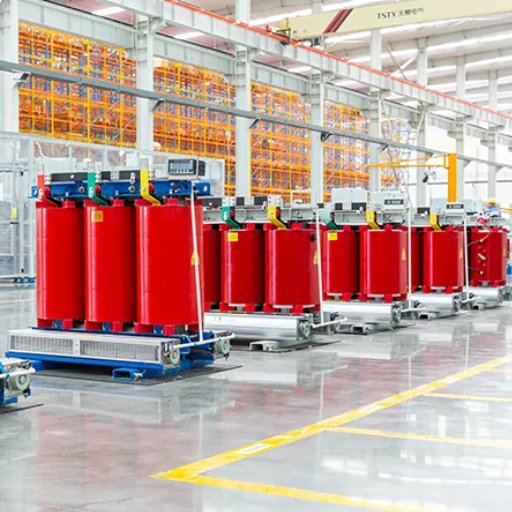
Best Dry Type Transformer for Indoor Use: Cast Resin or VPI?

For most indoor installations, a cast resin dry type transformer is the best choice. Its epoxy-sealed windings handle humidity, dust, and strict fire codes with almost no maintenance. If your electrical room is clean, dry, and climate-controlled, a VPI (vacuum pressure impregnated) transformer delivers the same voltage conversion for 15-50% less money.
That is the short answer. The longer answer matters, because choosing wrong in either direction costs real money.
In 2023, a contractor named Priya specified standard VPI units for a coastal hotel project in Southeast Asia to save about $8,000 on four transformers. Within two years, salt-laden humidity degraded the windings, insulation resistance readings dropped below safe limits, and all four units had to be replaced with cast resin models. The savings became a six-figure remediation.
Anyone searching for the best dry type transformer for indoor use has usually worked out the category already. Dry type is the right choice for buildings, hospitals, data centers, and industrial facilities. What you need is the logic for choosing within it. This guide gives you a direct answer, an environment-based decision framework, the fire code economics most articles skip, and a specification checklist you can send to any supplier.
Key Takeaways
- Cast resin is the best dry type transformer for indoor use in most cases: sealed windings, Class F1 fire behavior, and tolerance for humidity and dust.
- VPI is the better buy only when the room is clean, dry, and climate-controlled, and ratings stay at or below 25 kV and roughly 14.5 MVA.
- Fire codes drive the decision: oil filled units indoors typically require a fire-rated vault under NEC Article 450, while dry type units with Class 155+ insulation usually do not.
- Ventilation is the most overlooked indoor factor. Expect about 1% capacity loss per °C above 40°C ambient.
- The “best” transformer is decided by environment first, fire code second, and budget third, never the reverse.
What Is the Best Dry Type Transformer for Indoor Use?
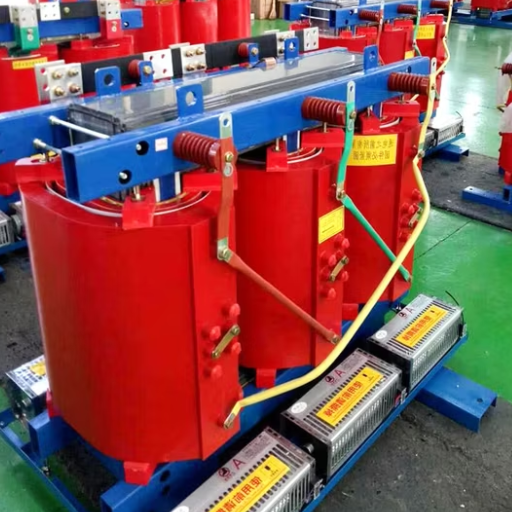
The best dry type transformer for indoor use is a cast resin transformer for humid, dusty, or safety-critical buildings, and a VPI transformer for clean, climate-controlled rooms where budget matters. Both eliminate oil entirely, which is what makes dry type the default indoor category in the first place.
Here is the quick version of the decision:
| Your Indoor Environment | Best Choice | Why |
|---|---|---|
| Hospital, data center, high-rise, school | Cast resin | Class F1 fire behavior, lowest risk in occupied buildings |
| Humid, coastal, or unconditioned room | Cast resin | Sealed windings resist moisture above 85% RH |
| Dusty or chemically active air | Cast resin | Epoxy encapsulation blocks contaminants |
| Clean, conditioned office or commercial room | VPI | Same performance at 15-50% lower cost |
| Rating above 25 kV or 14.5 MVA | Cast resin | Only dry type option at these ratings |
| Frequent overloads, repairability valued | VPI | Better natural cooling; windings can be rewound |
The rest of this guide explains the reasoning so you can defend the choice to your client, your insurer, or your own board.
Why Indoor Installations Demand Dry Type Transformers
Indoor transformer selection starts with a hard constraint: fire code. An oil immersed transformer contains hundreds or thousands of liters of flammable insulating liquid. Installed indoors, it typically requires a dedicated fire-rated vault with blast-resistant construction, oil containment, and ventilation, per NFPA 70 (NEC) Article 450.
That vault is not a line item. It is a construction project. Depending on the building, vault construction, fire suppression, and lost floor space can add tens of thousands of dollars, often more than the entire price difference between transformer types.
Dry type transformers sidestep this entirely. Under NEC 450.21(B), dry type units over 112.5 kVA with Class 155 (F) or higher insulation and proper clearance from combustibles can be installed indoors without a fire-rated room. They carry no flammable liquid, produce no leak risk, and self-extinguish rather than fuel a fire.
This is why the indoor transformer conversation is really a conversation about which dry type design to buy, not whether to buy dry type at all. For construction fundamentals, our three-phase dry type transformer guide covers insulation systems, ratings, and selection basics.
Not sure whether your room qualifies for vault-free installation? Send us your local code requirements and room layout, and our engineers will confirm the practical options.
Cast Resin vs VPI: Choosing the Best Indoor Dry Type Transformer
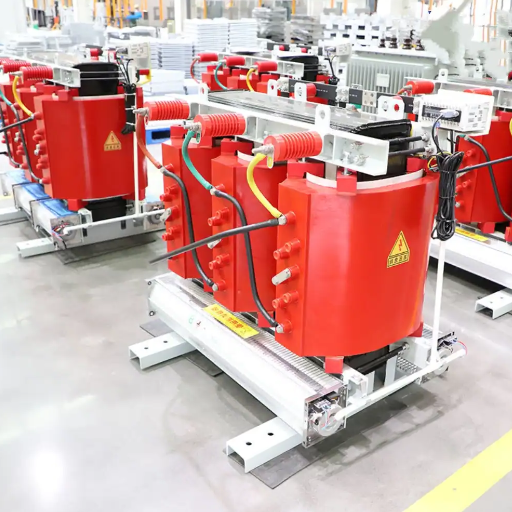
Both designs convert voltage without oil. They differ in how the windings are insulated, and that difference decides where each one belongs.
| Factor | Cast Resin | VPI |
|---|---|---|
| Insulation | Windings vacuum-cast in solid epoxy | Windings impregnated with varnish under vacuum and pressure |
| Fire behavior | Self-extinguishing; IEC 60076-11 Class F1 standard | Typically Class F0 without special treatment |
| Moisture tolerance | Excellent; handles high humidity and condensation | Moderate; needs dry, conditioned air |
| Dust and contaminants | Sealed out completely | Can accumulate on windings; needs cleaning |
| Upfront cost | Higher | 15-50% lower |
| Ratings ceiling | Up to 72.5 kV, 45 MVA | Typically 25 kV, 14.5 MVA |
| Partial discharge | Very low (≤10 pC achievable) | Higher (typically 10-50 pC) |
| Maintenance | Minimal: inspect, clean, scan | Regular cleaning in all but the cleanest rooms |
| Repairability | Failed winding usually means replacement | Windings can often be rewound |
When Cast Resin Is the Best Choice
Choose cast resin whenever the environment or the occupants raise the stakes. That means hospitals, data centers, high-rise buildings, tunnels, marine installations, and any room with humidity, dust, or corrosive air. It is also the only dry type option above 25 kV or 14.5 MVA.
Priya’s hotel project, mentioned in the introduction, is the textbook case. Coastal air, seasonal condensation, and an unconditioned electrical room demanded sealed windings. VPI was never a real option there; it only looked like one on the quotation.
When VPI Is the Best Choice
Choose VPI when three conditions all hold: the room is clean and climate-controlled, ratings stay within VPI limits, and upfront budget carries real weight. Office buildings, conditioned commercial spaces, and light industrial rooms with air filtration qualify.
A property manager named Luis runs three office towers in a dry inland climate. In 2022 he specified VPI units for all low-voltage distribution, saving roughly 20% against cast resin quotes. Four years later, maintenance logs show nothing beyond annual cleaning and thermal scans. In that environment, cast resin would have been money spent on protection the building never needed.
One more honest note: cast resin units are nearly maintenance-free, but no dry transformer is zero-attention. Our guide to the maintenance free dry transformer claim explains what minimal care still applies to both designs.
Matching the Transformer to Your Indoor Application
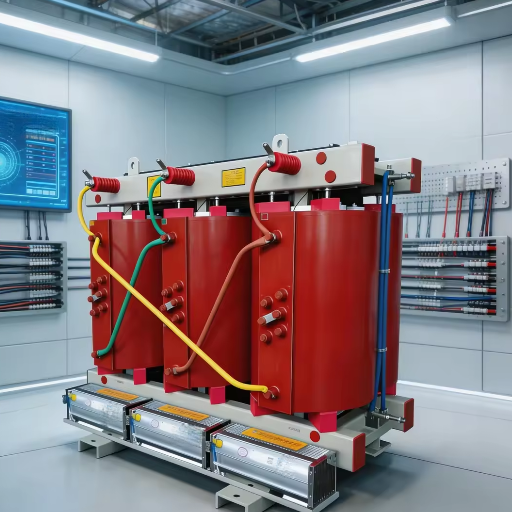
Different buildings stress transformers differently. Here is how the choice plays out by application:
- Hospitals. Cast resin, no debate. Occupied around the clock, strict fire codes, zero tolerance for downtime. Specify low-noise designs for patient areas.
- Data centers. Cast resin with temperature monitoring and low partial discharge. Uptime contracts make winding health a financial variable.
- High-rise and commercial towers. Cast resin for basement and mid-level electrical rooms; VPI acceptable only in conditioned, dedicated spaces.
- Shopping malls and public venues. Cast resin for fire behavior and low smoke in occupied space.
- Light industrial and workshops. VPI works if the air is clean and conditioned; cast resin the moment dust, moisture, or chemicals enter the picture.
- Tunnels, metros, and marine. Cast resin exclusively: confined spaces, difficult access, and corrosive air.
Sizing, Ventilation, and Installation Factors Buyers Miss
The right type installed badly still fails. Three practical factors decide whether your indoor dry type transformer reaches its 25-35 year service life.
Size for tomorrow, not today. Specify kVA with realistic load growth, typically 20-25% headroom for commercial buildings. A transformer running hot at 95% load ages its insulation far faster than one at 70%.
Respect the ambient derating curve. Dry type ratings assume a 40°C maximum ambient. Above that, expect roughly 1% capacity loss per additional degree. An unventilated electrical room in summer can quietly push a correctly sized transformer into effective overload.
Ventilation is the most common failure point. Every kilowatt of transformer loss becomes heat in the room. A 1000 kVA unit at 98.5% efficiency still dumps up to 15 kW of heat into its enclosure at full load. Provide intake and exhaust airflow sized for worst-case summer conditions, and keep clearance around the unit per the manufacturer’s drawings.
Efficiency belongs in the sizing math as well. Higher transformer efficiency means less heat in the room and lower electricity cost every hour for decades, which is why DOE and IEC minimum efficiency levels keep tightening.
Specification Checklist for Indoor Dry Type Transformers
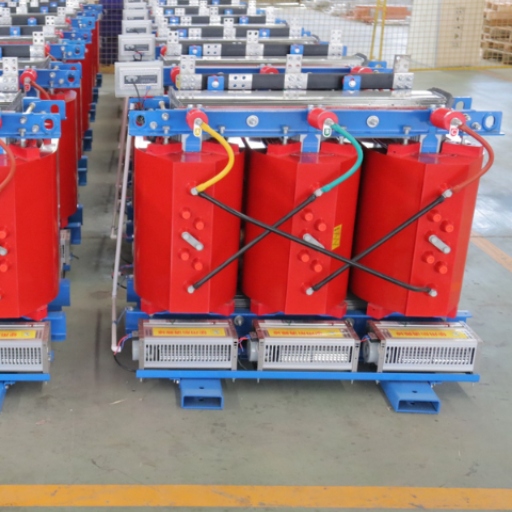
Whether you buy from us or anyone else, hold every supplier to the same list:
- Insulation system. Cast resin or VPI, matched to the room using the framework above.
- Insulation class. Class F (155°C) minimum; Class H (180°C) for hot rooms or high-rise risers.
- Fire and environmental certification. Ask for IEC 60076-11 classification (fire class F1, environmental class E2 for humid sites) on cast resin units.
- Partial discharge test value. Demand the measured number, not a promise. Below 10 pC indicates excellent cast resin quality.
- Enclosure IP rating. IP20-IP23 for clean electrical rooms; IP44 or better for dusty or washdown areas.
- Efficiency compliance. DOE 2016 minimums for North American projects, or the applicable IEC efficiency class elsewhere.
- Temperature monitoring. RTD sensors with alarm and trip contacts are cheap insurance on any unit above 500 kVA.
- Documented routine tests. Ratio, winding resistance, losses, impedance, and partial discharge before shipment.
Want this checklist applied to your project? Send your voltage, kVA, and room conditions, and we will return a specification with the right insulation system, IP rating, and cooling method.
Frequently Asked Questions
Can I install an oil filled transformer indoors?
Technically yes, but it requires a fire-rated vault with oil containment and specialized ventilation under NEC Article 450, plus ongoing oil maintenance. For almost every occupied building, dry type is simpler, safer, and cheaper once vault costs are counted.
Do indoor dry type transformers need a fire-rated room?
Usually no. Under NEC 450.21(B), dry type units over 112.5 kVA with Class 155 or higher insulation and proper clearance from combustible materials install without a vault. Always confirm with your local authority having jurisdiction.
Is cast resin or VPI better for a hospital?
Cast resin. Hospitals combine occupied-space fire codes, zero-downtime requirements, and strict air quality rules. Cast resin’s Class F1 fire behavior, sealed windings, and low smoke emission make it the standard specification for healthcare facilities.
How long does an indoor dry type transformer last?
25-35 years with basic care: annual visual inspection, cleaning, thermal scanning, and connection checks. Neglected units in hot or dusty rooms can fail in 10-15 years, which is why ventilation and environment matter as much as the transformer itself.
Conclusion: Environment First, Code Second, Budget Third
The best dry type transformer for indoor use is cast resin for most real-world buildings and VPI for clean, conditioned rooms where the budget case is genuine. The decision is not complicated once you order the variables correctly: environment first, fire code second, budget third.
Get that order wrong and the numbers punish you. Priya’s hotel saved $8,000 and spent six figures. Luis’s office towers saved 20% and never looked back.
The difference was not luck. It was matching the insulation system to the room it would live in.
Specify with the checklist, demand documented test values, and size for the load you will have in ten years, not the load you have today.
Ready to choose your indoor transformer? Send us your voltage, kVA, and installation environment. Our engineers will recommend the most practical solution for safety, reliability, and long-term value.