
VPI Transformer Guide: Vacuum Pressure Impregnation Explained (2026)

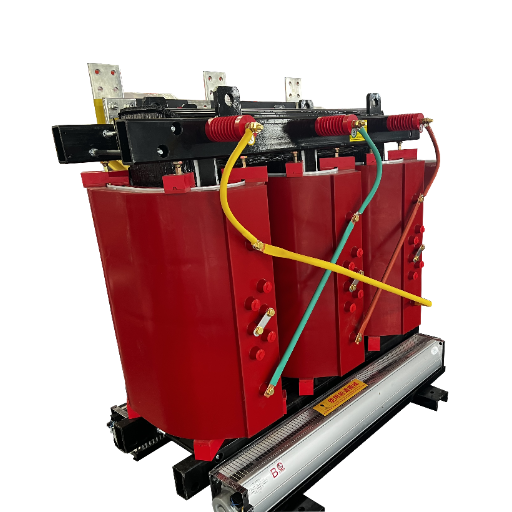
A VPI (Vacuum Pressure Impregnated) transformer is a dry type transformer whose windings are saturated with epoxy or polyester resin inside a vacuum chamber, then cured under pressure. This creates a solid insulation system that protects against moisture and dust at a lower cost than fully cast resin designs. Most buyers assume cast resin is always the better dry type choice. For standard indoor commercial and industrial applications, VPI often delivers 90% of the protection at 60% of the cost.
This guide covers the complete VPI manufacturing process, when VPI outperforms cast resin, a 20-year cost comparison, and a VPI-specific procurement checklist. Whether you are specifying transformers for a new office tower, upgrading a manufacturing plant, or comparing dry type sub-types, you will leave with clear selection criteria.
Key Takeaways
- VPI transformers use vacuum pressure impregnation to saturate windings with resin, creating solid insulation at lower cost than cast resin.
- The manufacturing process involves vacuum chamber evacuation, resin introduction, pressure application, and oven curing.
- VPI units offer easier repairability than cast resin, making them practical for standard commercial and industrial indoor applications.
- For controlled indoor environments, VPI typically costs 25-40% less than cast resin while delivering comparable performance.
- A VPI-specific procurement checklist covers resin type, impregnation quality, climate class, and repairability verification.
Want the complete picture of all dry type transformer types? See our dry type transformer guide covering cast resin, VPI, and open ventilated designs.
What Is a VPI Transformer?
Definition and Core Principle
VPI stands for Vacuum Pressure Impregnation. It is a manufacturing process used to insulate transformer windings by forcing resin into every gap, layer, and pore under vacuum and pressure conditions. The result is a coil assembly with solidified resin throughout its insulation structure, providing environmental protection and mechanical stability.
Unlike open ventilated dry type transformers, which rely on varnish coatings and natural air gaps, VPI transformers achieve much deeper resin penetration. Unlike cast resin transformers, which encapsulate windings in thick epoxy blocks inside molds, VPI uses a dip-and-pressure approach without full encapsulation. This middle-ground positioning is what gives VPI its unique cost and repairability advantages.
How Vacuum Pressure Impregnation Works
The VPI process follows a clear sequence. First, the wound coil assembly is pre-baked to remove residual moisture. Then it is placed in a vacuum chamber where air pressure is reduced to near-zero. Liquid resin is introduced while the vacuum is maintained, allowing resin to flow into spaces that would otherwise trap air. Next, positive pressure is applied to force resin deeper into the insulation pack. Finally, the coil is cured in an oven at controlled temperature until the resin hardens.
Vacuum pressure impregnation reduces winding moisture content from 8-12% to less than 0.5%. This dramatic reduction is what gives VPI transformers their reliable insulation resistance and stable dielectric performance over time.
VPI Resin Types: Epoxy vs Polyester
Two resin chemistries dominate VPI transformer production. Epoxy resin offers higher thermal stability, better moisture resistance, and stronger adhesion to conductors. It is the preferred choice for units operating at insulation class H (180 degrees C) or in environments with moderate humidity risk.
Polyester resin cures faster and costs less, making it attractive for budget-conscious projects with standard indoor conditions. However, polyester has lower thermal endurance and is more sensitive to prolonged moisture exposure. Most quality VPI transformers for industrial and commercial use specify epoxy-based impregnation.
VPI vs Cast Resin vs Open Ventilated: Positioning
VPI sits between open ventilated and cast resin in the dry type spectrum. Open ventilated units have the lowest upfront cost but minimal environmental protection. Cast resin units offer maximum protection and lowest partial discharge but at premium pricing. VPI transformers capture the middle: solid insulation, good moisture resistance, and significantly lower cost than cast resin.
For applications inside clean, climate-controlled electrical rooms, VPI is often the practical optimum. The windings are protected enough for decades of reliable service, yet the design remains economical and repairable.
The VPI Manufacturing Process
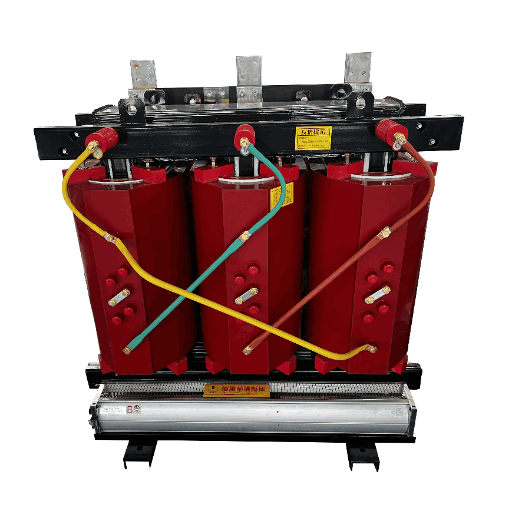
Understanding how a VPI transformer is built helps buyers evaluate quality and distinguish between manufacturers. The process involves six distinct stages, each with measurable parameters that determine final product performance.
Step 1: Winding Preparation and Pre-Bake
The coil is wound with insulated copper or aluminum conductors, using layer insulation of Nomex, polyester film, or similar materials. Before impregnation, the assembly is baked at 100-120 degrees C for several hours. This pre-bake drives out absorbed moisture from the conductor insulation and layer materials. Starting with dry materials is critical because trapped moisture will remain inside the coil if not removed before resin introduction.
Step 2: Vacuum Chamber Evacuation
The pre-baked coil is transferred to a vacuum chamber. The chamber is sealed, and vacuum pumps reduce internal pressure to 0.1-1 mbar. At this near-vacuum level, air trapped between winding layers expands and escapes. The duration of this evacuation phase depends on coil size and insulation thickness, typically ranging from 30 minutes to 2 hours. Inadequate vacuum time leaves residual air, which creates voids in the finished insulation and elevates partial discharge.
Step 3: Resin Introduction and Saturation
Once the vacuum is stable, liquid resin is introduced into the chamber while vacuum is maintained. Because the coil interior is under vacuum, resin flows into gaps and channels by atmospheric pressure differential rather than by gravity alone. This is what distinguishes VPI from simple dip-and-bake processes. The resin fully submerges the coil, and the vacuum is held for an additional period to allow complete wetting of all insulation surfaces.
Step 4: Pressure Application
After saturation, the chamber is pressurized to 3-7 bar. This pressure phase forces resin deeper into the insulation pack than vacuum alone could achieve. VPI resin penetration depth typically reaches 2-5 mm into winding insulation depending on pressure and viscosity. Higher pressure and lower viscosity resins achieve deeper penetration, which improves moisture resistance and mechanical bonding.
Step 5: Oven Curing and Post-Cure
The resin-saturated coil is transferred to a curing oven. Standard VPI cure cycles run 4-8 hours at 120-150 degrees C depending on resin chemistry. During curing, the liquid resin cross-links into a solid polymer matrix that binds the winding layers together. After the initial cure, some manufacturers perform a post-cure cycle at slightly higher temperature to ensure complete polymerization and maximize thermal endurance.
Step 6: Quality Testing and Partial Discharge Measurement
Every VPI transformer should undergo factory testing before shipment. Standard tests include winding resistance measurement, turns ratio verification, insulation resistance testing, and applied voltage tests. Partial discharge measurement is particularly important for VPI units because the impregnation process aims to eliminate voids that generate PD.
Quality VPI transformers achieve partial discharge levels of 20-50 pC at 1.5 times rated voltage. While this is higher than the sub-10 pC typical of premium cast resin units, it is well within acceptable limits for standard commercial and industrial service. VPI transformers achieve insulation resistance values of 1,000 MΩ or higher after proper curing.
For a deep dive into cast resin vacuum casting technology, see our dedicated cast resin transformer guide.
VPI Transformer Advantages and Limitations
Cost Advantage: Why VPI Costs Less Than Cast Resin
VPI transformers typically cost 25-40% less than equivalent cast resin units. The cost difference comes from simpler tooling, shorter production cycles, and lower resin consumption. Cast resin requires precision molds, vacuum casting equipment, and thick epoxy encapsulation. VPI uses standard vacuum-pressure chambers and less resin overall. For projects with multiple units or tight budgets, this difference can represent significant capital savings.
Repairability: When Rewinding Makes Sense
The single greatest advantage of VPI transformers is repairability. Because the windings are impregnated rather than fully encapsulated in solid epoxy blocks, a failed coil can often be rewound. Repair or rewind cost for VPI runs 40-60% of replacement cost versus 80-100% for cast resin. For transformers in standard applications where the core and frame remain sound, rewinding extends asset life at a fraction of replacement cost.
A practical repairability framework looks like this. If the transformer core is undamaged and the unit is a standard voltage and kVA rating, rewinding is usually economical. If the core is damaged, the unit is obsolete, or lead times for rewind exceed replacement availability, replacement becomes the better option.
Moisture and Dust Protection Level
VPI provides good moisture and dust protection for controlled indoor environments. The solidified resin fills interlayer gaps where moisture would otherwise accumulate. However, VPI is not fully encapsulated. In high-humidity environments above 85% relative humidity for extended periods, or in locations with frequent condensation, cast resin remains the safer choice.
Fire Behavior and Self-Extinguishing Properties
Quality VPI transformers use self-extinguishing epoxy or polyester resins that comply with fire behavior class F1 under IEC 60076-11. In the event of an external fire, the resin does not propagate flames. Combined with the absence of insulating oil, this makes VPI units suitable for indoor installations where fire safety codes restrict liquid-filled equipment.
Limitations: Where VPI Is Not the Right Choice
VPI is not suitable for every application. Outdoor installations without protective enclosures should use oil immersed transformers or fully sealed cast resin units. Heavy industrial environments with chemical vapors, dust storms, or washdown procedures require the full encapsulation of cast resin. Marine and offshore applications almost always specify cast resin or special sealed designs. For these demanding environments, oil immersed transformers or cast resin remain the better options.
Expected Service Life and Maintenance Requirements
Expected service life for VPI transformers in controlled indoor environments is 20-30 years. This assumes proper loading, adequate ventilation, and periodic inspection. Annual maintenance is lighter than for oil-filled units because there is no oil to test or filter. The main requirements are visual inspection, cleaning, torque verification on connections, and periodic insulation resistance measurement.
VPI vs Cast Resin Transformer: Complete Comparison
Manufacturing Process Differences
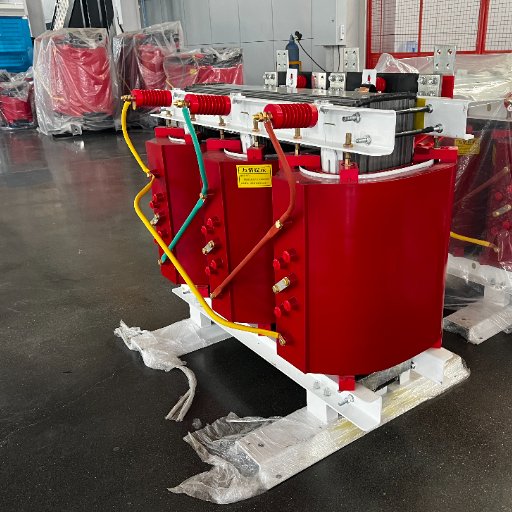
Cast resin transformers are manufactured by placing wound coils into molds and vacuum-casting epoxy resin around them. The result is a thick, solid epoxy block surrounding the windings. VPI transformers are dipped in resin under vacuum and pressure, then cured. The resin penetrates the insulation but does not form a thick external encapsulation. This fundamental difference in manufacturing drives most of the performance and cost distinctions between the two types.
Performance Comparison
| Feature | VPI Transformer | Cast Resin Transformer |
|---|---|---|
| Moisture resistance | Good (controlled indoor) | Excellent (harsh indoor/outdoor) |
| Partial discharge (typical) | 20-50 pC | <10 pC (premium units) |
| Thermal class available | F (155 C), H (180 C) | F (155 C), H (180 C) |
| Fire behavior | F0 or F1 | F0 or F1 |
| Noise level | Standard | Slightly lower (mass damping) |
| Environmental protection | Solid impregnation | Full encapsulation |
| Short-circuit withstand | Good | Excellent (rigid block) |
Cost Comparison: Upfront and 20-Year TCO
Consider a 1,000 kVA, 11/0.4 kV indoor transformer over a 20-year service life. The VPI unit might cost 14,000upfront,whilethecastresinequivalentruns14,000upfront,whilethecastresinequivalentruns20,000. Assuming identical efficiency and loading, the operating cost is the same. However, if a winding fault occurs at year 12, the VPI unit can be rewound for approximately 7,000.Thecastresinunitrequiresfullreplacementat7,000.Thecastresinunitrequiresfullreplacementat20,000 plus installation.
Over 20 years with no failures, the cast resin premium buys extra environmental margin that may never be needed. Over 20 years with one winding fault, the VPI route can save tens of thousands in lifecycle cost. For standard indoor applications without extreme environmental risk, the VPI total cost of ownership is almost always lower.
Repairability Comparison
Cast resin encapsulation makes winding removal and replacement prohibitively expensive. The epoxy block must be broken away, risking core damage, and the mold-cast geometry complicates rewinding. VPI coils can be stripped, rewound, and re-impregnated using standard shop equipment. This repairability difference is decisive for facilities that plan to maintain transformers over decades rather than replace them on failure.
Application Suitability Matrix
| Environment | Recommended Type | Rationale |
|---|---|---|
| Clean indoor electrical room | VPI | Cost-effective, adequate protection |
| Humid indoor, coastal | Cast resin | Superior moisture resistance |
| Data center white space | Cast resin | Lowest PD, maximum reliability |
| Standard commercial building | VPI | Best value for typical conditions |
| Outdoor, no enclosure | Oil immersed or cast resin | Weather protection required |
| Heavy industrial, dusty | Cast resin | Full encapsulation needed |
A commercial office building in São Paulo needed four 1,000 kVA transformers for a new tower. The MEP consultant initially specified cast resin for all units based on a generic premium specification template. After reviewing the actual operating environment, a clean climate-controlled electrical room with no humidity risk, the contractor proposed VPI units instead. The switch saved $42,000 upfront with no performance penalty. Four years later, the VPI transformers continue operating within 2 degrees Celsius of their design temperature rise.
Ready to compare options for your project? Send your voltage, kVA, and environment details, and our engineers will recommend the most practical solution.
VPI Transformer Specifications and Standards
Standard Capacity Ranges
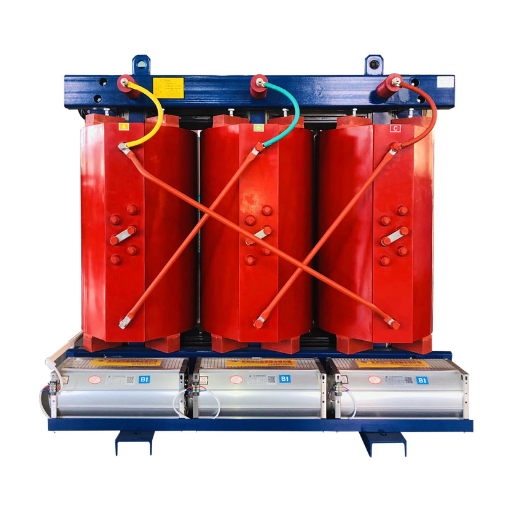
VPI transformers are commonly available from 100 kVA to 5,000 kVA for medium-voltage distribution applications. Below 100 kVA, open ventilated or encapsulated designs are usually more economical. Above 5,000 kVA, cast resin or oil immersed designs typically dominate due to thermal and mechanical requirements. The 500 kVA to 2,500 kVA range is where VPI is most competitive, serving commercial buildings, shopping centers, and light industrial plants.
Voltage Ratings and Vector Groups
Standard primary voltages include 6 kV, 10 kV, 11 kV, and 33 kV depending on regional utility standards. Secondary voltages are typically 400/230 V for three-phase four-wire systems. Common vector groups are Dyn11 for distribution applications and Yyn0 where neutral loading requires it. Custom voltage ratios are available from manufacturers who wind to order.
Insulation Classes
VPI transformers are typically built to insulation class F (155 degrees C maximum winding temperature) or class H (180 degrees C). Class F is standard for commercial and light industrial applications. Class H is specified where overload capacity, high ambient temperatures, or safety margins are priorities. The choice affects material cost, thermal endurance, and expected service life.
Temperature Rise and Hot-Spot Limits
Standard temperature rise is 100 K for class F insulation and 125 K for class H, measured by resistance. Hot-spot temperature must remain below the insulation class limit under rated load. Proper ventilation and clearance around the transformer are essential because VPI units rely on air cooling, either natural (AN) or forced (AF).
IEC 60076-11 Climate and Environmental Classes for VPI
IEC 60076-11 defines climate classes E0, E1, and E2. For VPI transformers, class E0 is suitable for controlled indoor environments with heating and ventilation. Class E1 covers environments with occasional condensation. Class E2, which includes severe condensation and humid conditions, is at the edge of VPI capability and usually pushes specification toward cast resin. Most VPI installations should target E0 or E1 environments.
Partial Discharge Levels for Quality VPI Units
Partial discharge measurement per IEC 60270 verifies insulation integrity. Quality VPI units measure 20-50 pC at 1.5 times rated voltage. Values above 100 pC indicate inadequate impregnation or voids in the insulation system and should be rejected. Always request PD test reports from the manufacturer.
IP Ratings and Enclosure Options
VPI transformers are typically supplied in ventilated sheet steel enclosures rated IP20 or IP23 for indoor installation. IP20 protects against solid objects greater than 12 mm. IP23 adds protection against water spray up to 60 degrees from vertical. For dusty environments, IP31 or IP54 enclosures can be specified, though above IP23 the cost advantage of VPI over cast resin narrows.
Noise Levels and Sound Attenuation
Sound power levels for VPI transformers follow the same standards as other dry types, typically 60-75 dB(A) depending on rating and design. The VPI resin mass provides some damping compared to open ventilated designs, though slightly less than cast resin. Where noise is critical, specify low-noise core steel, add anti-vibration pads, or consider sound-attenuated enclosures.
For more on efficiency and losses, see our guide to transformer efficiency and how it affects operating cost.
Applications of VPI Transformers
Commercial Buildings and Office Towers
Office buildings with dedicated electrical rooms are ideal VPI applications. The environment is clean, temperature-controlled, and protected from weather. VPI units deliver the required safety and reliability without the cost premium of cast resin. For towers with multiple floors of tenancy, the cumulative savings across several transformers can be substantial.
Shopping Centers and Retail Complexes
Retail environments need reliable power for lighting, HVAC, and escalators. VPI transformers in mall substations or tenant electrical rooms provide fire-safe, oil-free power distribution. The lower upfront cost helps developers meet budget targets without compromising code compliance.
Industrial Plants (Clean Indoor Environments)
Assembly plants, light manufacturing, and food processing facilities with clean indoor electrical rooms often specify VPI. The transformers handle motor loads, distribution panels, and production equipment reliably. Where the plant environment includes heavy dust, chemical exposure, or washdown, cast resin or oil immersed units are more appropriate.
Educational Institutions and Public Buildings
Schools, universities, and government buildings benefit from VPI transformers because they eliminate oil spill risk while keeping capital costs manageable. The repairability factor is also relevant for public institutions with tight maintenance budgets and long asset replacement cycles.
Data Center Support Spaces (Not White Space)
While mission-critical data center white spaces typically specify cast resin for maximum reliability, support spaces such as chiller plants, UPS rooms, and administrative areas can use VPI effectively. The distinction between white space and support space is a practical way to optimize cost without compromising uptime for the most critical loads.
When NOT to Use VPI
Avoid VPI transformers for outdoor installations without protective buildings, marine environments, heavy chemical exposure, locations with chronic condensation, and applications requiring the absolute lowest partial discharge. In these cases, specify cast resin or oil immersed transformers instead.
VPI Transformer Procurement Checklist
Use this checklist when specifying or purchasing VPI transformers:
- Resin type – Confirm epoxy or polyester chemistry; epoxy preferred for thermal and moisture performance.
- kVA rating and voltage configuration – Match to load profile with 20-30% growth margin.
- Insulation class – Specify F (155 C) or H (180 C) based on ambient and overload requirements.
- Climate class – E0 for controlled indoor, E1 for occasional condensation; avoid E2 with VPI.
- Fire behavior class – F1 for self-extinguishing resin in buildings with fire safety requirements.
- IP rating – IP20 or IP23 for standard indoor; specify higher only if environment demands it.
- Partial discharge limit – Require factory PD test with results under 50 pC at 1.5x rated voltage.
- Vacuum and pressure process verification – Request documentation of vacuum level, pressure, and cycle time.
- Repairability and rewind capability – Confirm manufacturer supports rewind service or provides spare core-and-coil.
- Copper vs aluminum windings – Copper for highest efficiency and short-circuit strength; aluminum where cost is dominant.
- Short-circuit withstand level – Verify dynamic and thermal withstand per IEC 60076-11.
- Factory acceptance testing requirements – Insist on witnessed or documented FAT including ratio, resistance, insulation, and PD.
A logistics warehouse in Dubai installed VPI transformers in a temperature-controlled electrical room. After 18 months, a nearby chiller pipe leaked, raising humidity in the room to 85% relative humidity for three days. The VPI transformers absorbed some moisture, and insulation resistance readings dropped temporarily. Because the windings were impregnated rather than fully encapsulated, a service technician was able to dry the units with circulating hot air and restore full insulation resistance within 48 hours. A cast resin unit would have been unaffected by the moisture, but a rewindable VPI design allowed repair instead of replacement.
Installation and Maintenance of VPI Transformers
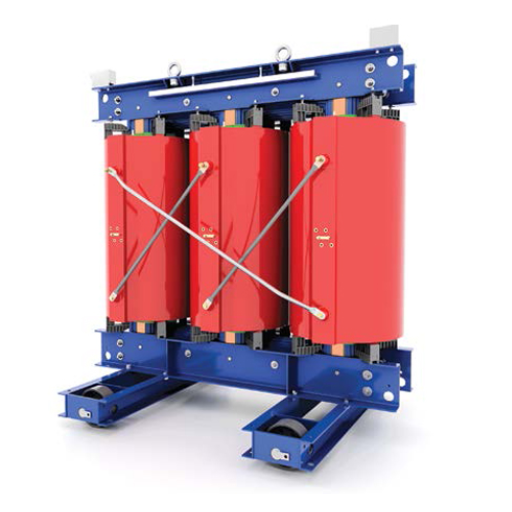
Installation Requirements
VPI transformers need adequate clearance for air circulation. Minimum clearances vary by rating and local code, but generally allow 300-500 mm from walls and 1,000 mm from ceilings for natural convection. Forced-air cooled units need unobstructed intake and exhaust paths. The floor must support the unit weight, which ranges from 500 kg for small units to 4,000+ kg for large ratings. Always verify shipping splits because some large VPI units ship as separate core-and-coil and enclosure assemblies.
Pre-Energization Testing
Before energizing, perform insulation resistance measurement with a 1,000 V or 2,500 V megohmmeter. Values should exceed 1,000 MΩ at 20 degrees C. Check turns ratio with a TTR tester to confirm tap settings. Verify winding resistance for loose connections. Perform a visual inspection for shipping damage, loose hardware, or foreign objects in the enclosure.
Annual Inspection Checklist
Each year, inspect enclosure condition and clean dust from ventilation openings. Check bolted electrical connections for proper torque and signs of overheating. Measure insulation resistance and compare to baseline commissioning values. Inspect for signs of moisture ingress, corrosion, or resin discoloration. Verify that cooling fans, if fitted, operate correctly and filters are clean.
When to Schedule Rewinding vs Replacement
If insulation resistance drops persistently below 100 MΩ, investigate cause before failure. If a winding fault occurs and the core is undamaged, obtain rewind quotes from the manufacturer or a qualified repair shop. Compare rewind cost plus downtime to replacement cost and lead time. As a rule, rewinding is economical when the repair cost is under 60% of replacement and the unit rating is still commercially available.
Cleaning and Dust Removal Procedures
De-energize and isolate the transformer before cleaning. Use a vacuum cleaner with a soft brush attachment to remove dust from windings and enclosure. Avoid high-pressure air, which can drive dust deeper into insulation. For stubborn deposits, use a lint-free cloth slightly dampened with isopropyl alcohol. Allow all surfaces to dry completely before re-energizing.
Frequently Asked Questions
What Does VPI Stand For?
VPI stands for Vacuum Pressure Impregnation. It is a manufacturing process that saturates transformer windings with insulating resin under vacuum and pressure conditions to create solid, moisture-resistant insulation.
Is VPI Better Than Cast Resin?
Neither is universally better. VPI is more cost-effective and repairable for standard indoor applications. Cast resin offers superior moisture resistance and lower partial discharge for demanding or critical environments. The right choice depends on operating conditions, budget, and reliability requirements.
Can VPI Transformers Be Repaired?
Yes, repairability is a major advantage of VPI transformers. Because the windings are impregnated rather than fully encapsulated in solid epoxy blocks, failed coils can often be rewound at 40-60% of replacement cost. Cast resin units typically require complete replacement after winding failure.
How Long Do VPI Transformers Last?
VPI transformers in controlled indoor environments typically last 20-30 years with proper maintenance. Actual service life depends on loading, ambient temperature, maintenance quality, and whether the unit is subject to overloads or voltage surges.
What Is the Difference Between VPI and Vacuum Casting?
VPI dips the coil in resin under vacuum and pressure, then cures it. Vacuum casting pours resin into a mold containing the coil, creating a solid epoxy block around the windings. VPI uses less resin and allows rewinding. Vacuum casting provides full encapsulation and lower partial discharge but prevents economical repair.
Are VPI Transformers Suitable for Outdoor Use?
Standard VPI transformers are designed for indoor installation. For outdoor use, specify a protective enclosure with appropriate IP rating or choose cast resin or oil immersed transformers designed for weather exposure.
Do VPI Transformers Require More Maintenance Than Cast Resin?
Both VPI and cast resin dry type transformers require similar light maintenance: annual inspection, cleaning, connection torque checks, and periodic insulation resistance testing. Neither requires oil testing or filtration, which is a major advantage over oil immersed units.
A manufacturing plant in Warsaw operated cast resin transformers for 15 years without issue. When one unit failed catastrophically due to a line-side surge, the plant discovered that cast resin transformers cannot be rewound economically. The epoxy encapsulation makes winding removal and replacement prohibitively expensive. The failed unit required complete replacement with a 14-week lead time. For their next expansion, the plant specified VPI transformers for all standard loads, reserving cast resin only for the most critical processes. The maintenance manager now keeps a spare VPI core-and-coil assembly on site, knowing that any future failure can be addressed with a rewind rather than a full unit replacement.
If you want a deeper checklist for inspection intervals, test methods, and condition-based maintenance planning, read Dry Type Transformer Maintenance: Schedule, Testing & Inspection Guide.
Conclusion
VPI transformers occupy the practical middle ground in dry type transformer technology. They deliver solid resin insulation, reliable moisture protection for indoor environments, and significant cost savings compared to cast resin. Their greatest differentiator is repairability. A VPI unit that suffers a winding fault can often be rewound, extending asset life and reducing total cost of ownership.
For clean indoor commercial and industrial applications, VPI is frequently the smartest specification. The key is honest assessment of the operating environment. If humidity is controlled, dust is minimal, and the installation is indoors, the cast resin premium may add cost without adding value. If the environment is harsh, humid, or critical, cast resin remains the safer choice.
Use the procurement checklist in this guide to verify resin type, climate class, partial discharge limits, and repairability support before placing your order. Send your voltage, kVA, and site conditions to Shandong Electric Co., Ltd. for engineering review and a tailored recommendation. Our team manufactures VPI transformers from 100 kVA to 5,000 kVA, built to IEC 60076-11 and customized for your application.
Want a detailed comparison between dry type and oil immersed transformers? See our complete dry type transformer vs oil filled transformer guide with 20-year TCO analysis and application decision matrix.