
Cast Resin Transformer: Technology, Specifications & Procurement Guide

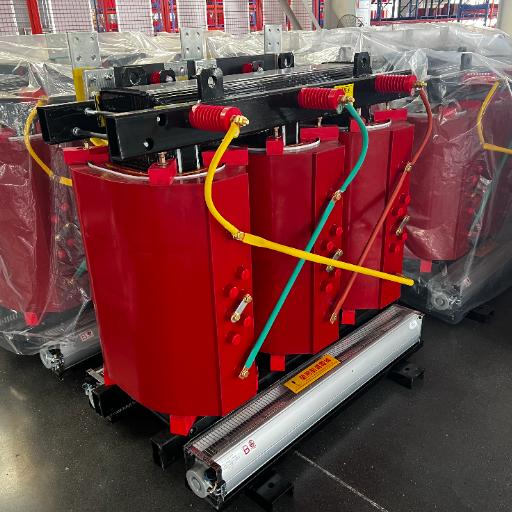
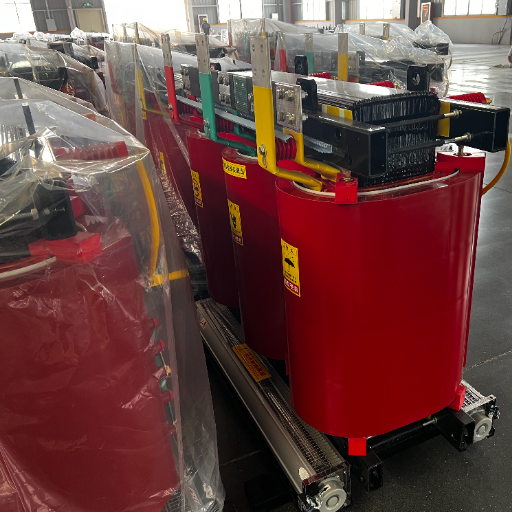
The cast resin transformer functions as a dry type transformer which utilizes epoxy resin to completely seal its windings under a vacuum. The system develops a solid insulation barrier which prevents moisture entry and operates as an automatic fire extinguishing mechanism while maintaining protection against extreme environmental conditions that include high humidity and dust and coastal salt air.
The cost of an electrical room fire exceeds the value of the entire building. The wrong transformer selection creates potential dangers for facilities that require continuous operation and security and control of their physical area because equipment failures are not completely protected by insurance. The operation of cast resin transformers demonstrates their capability to deliver performance that meets or exceeds most oil-filled transformers while using complete elimination of liquid insulation.
The Cast Resin Transformer guide provides detailed information about cast resin transformer production methods and their performance comparison with VPI and oil immersed systems and their specifications for data centers and hospitals and underground facilities and marine platforms and other facilities with challenging requirements. The process guide explains the vacuum casting procedure and the quality control standards and the 12-item procurement checklist which helps prevent expensive specification mistakes.
Key Takeaways
- Cast resin transformers use vacuum-impregnated epoxy resin to fully encapsulate windings, creating a solid, moisture-proof, fire-self-extinguishing insulation system.
- Cast resin (vacuum cast) offers superior partial discharge performance and moisture resistance compared to VPI (vacuum pressure impregnated) dry type transformers.
- IEC 60076-11 governs dry type transformers including cast resin designs, with insulation classes F (155 C) and H (180 C) standard.
- Cast resin transformers are the preferred choice for hospitals, data centers, underground installations, marine environments, and high-humidity industrial sites.
- A practical procurement checklist covers 12 items from kVA and voltage class to partial discharge limits, climate adaptations, and fire behavior class.
Want the complete picture of all dry type transformer types? See our dry type transformer guide covering cast resin, VPI, and open ventilated designs.
What Is a Cast Resin Transformer?
Definition and Manufacturing Process (Vacuum Casting)
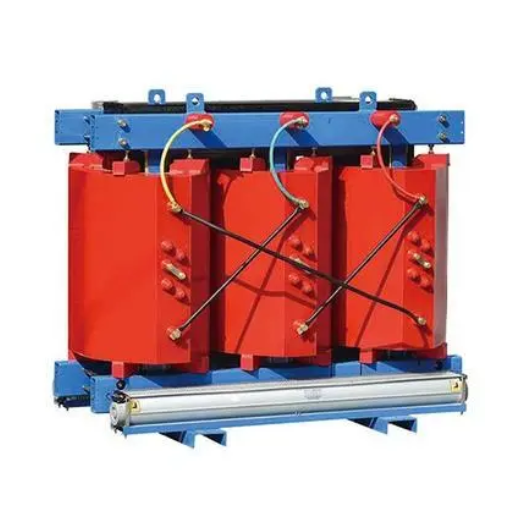
The cast resin transformer functions as a dry type transformer because it uses a different insulation method which exists outside the VPI and open-ventilated transformer systems. The windings are placed in a mold, and epoxy resin is injected under vacuum conditions. The vacuum removes all air bubbles and moisture from the resin before it cures, creating a completely solid, void-free encapsulation around every conductor.
The vacuum casting process establishes the distinction between actual cast resin transformers and their inferior counterparts. The winding assembly achieves three essential properties because of its design, which maintains mechanical strength and thermal performance while providing protection against environmental factors. Moisture cannot penetrate the solid epoxy matrix. Dust and contaminants cannot accumulate between winding layers. The transformer maintains its operational reliability under conditions that would cause conventional insulation to deteriorate over time.
How Cast Resin Differs from VPI (Vacuum Pressure Impregnated)
VPI transformers also use resin, but the process is different. In VPI, the windings are dipped in resin and cured under pressure. The resin penetrates the winding interstices but does not fully encapsulate the assembly in a solid block. Small voids and air pockets can remain, especially in the interior layers of large windings.
Cast resin vacuum casting eliminates these voids entirely. The mold-based process creates a uniform, solid encapsulation with no internal cavities. This matters because voids are where partial discharge begins, where moisture eventually accumulates, and where thermal stress causes long-term degradation. For critical applications, cast resin provides a measurable reliability advantage over VPI.
If you want a more detailed breakdown of resin impregnation methods, thermal performance, and where VPI designs fit compared to cast resin alternatives, see our dedicated article: VPI Transformer Guide: Vacuum Pressure Impregnation Explained (2026).
How Cast Resin Differs from Oil Immersed Transformers
Oil immersed transformers use mineral oil or ester fluid as both coolant and insulator. They offer higher efficiency, greater overload capacity, and lower cost per kVA for large outdoor installations. However, they require fire-rated rooms or vaults, oil containment pits, and ongoing oil testing and maintenance.
Cast resin transformers eliminate all oil-related infrastructure and risk. They need no fire-rated room, no containment pit, and no oil sampling program. The tradeoff is slightly higher upfront cost and typically lower maximum capacity per unit for the same footprint. For indoor installations and safety-critical sites, cast resin is often the only practical choice.
Core Components: Windings, Core, Enclosure, and Tapping
A cast resin transformer consists of four main assemblies. The core is built from grain-oriented silicon steel laminations, identical to other transformer types. The low-voltage and high-voltage windings are vacuum-cast in epoxy resin which creates rigid self-supporting coil assemblies. The enclosure provides mechanical protection together with ventilation and IP-rated environmental sealing. The tapping system allows voltage adjustment through off-circuit tap changers that operate from the exterior.
David Chen, facilities manager for a Tier III data center in Singapore, faced a critical decision when he needed to expand the cooling system capacity. The existing oil-filled transformer required a dedicated fire-rated room which occupied 45 square meters of essential building space. The team specified three 2,500 kVA cast resin transformers with IP31 enclosures which enabled them to remove the fire-rated room space and increase server rack capacity while decreasing annual insurance costs by 12%. The cast resin units have functioned for four years without needing any maintenance except for annual infrared thermography.
Cast Resin Transformer Types and Construction
Standard Cast Resin (Epoxy Vacuum Cast): F Class and H Class
The majority of cast resin transformers use either F class insulation (maximum 155 C) or H class insulation (maximum 180 C). F class is standard for commercial and light industrial applications. H class is specified for heavy industrial duty, high ambient temperatures, or installations with limited ventilation. The insulation class affects temperature rise limits, overload capability, and long-term thermal aging.
Within each class, the epoxy formulation can be adjusted for specific properties. Standard epoxy provides good electrical and mechanical performance. Modified epoxy with added fillers can improve thermal conductivity, reducing hot-spot temperatures. Flame-retardant additives achieve F1 fire behavior class, which is mandatory for many building codes and underground installations.
Partially Cast Resin (Hybrid Designs)
Some manufacturers offer hybrid designs in which only the high-voltage winding is fully cast, while the low-voltage winding uses VPI or open-ventilated construction. The solution creates a cost reduction together with essential insulation protection which remains intact for the most critical areas. Hybrid designs reduce the moisture protection and structural strength which fully cast units possess. The products work effectively in indoor spaces that maintain control over environmental conditions but they fail to perform adequately in high-humidity areas and coastal regions.
Enclosure Options: IP00, IP20, IP31, IP42, IP54
The enclosure IP rating determines where and how the transformer can be installed. IP00 provides no protection and is used only in dedicated electrical rooms with controlled access. IP20 adds finger-safe protection against accidental contact. IP31 protects against solid objects larger than 2.5 mm and vertical dripping water, suitable for most indoor commercial installations. IP42 protects against 1 mm objects and angled water spray. IP54 provides dust protection and splash resistance, allowing installation in semi-outdoor or dusty industrial environments.
Aluminum vs Copper Windings in Cast Resin Construction
Both aluminum and copper windings are used in cast resin transformers. Copper offers lower electrical resistance, better short-circuit withstand, and typically longer service life. Aluminum is lighter and less expensive, making it attractive for large-capacity units where weight affects transport and installation. In cast resin construction, the choice of conductor material affects heat transfer to the epoxy encapsulation and must be matched to the thermal design of the casting. For critical applications and frequent overload conditions, copper is the safer specification.
Want to understand how cast resin transformers compare to other dry type options? Review our dry type transformer guide for the full technology overview, or our oil immersed transformer guide for outdoor and high-capacity alternatives.
Applications and Use Cases
Data Centers and IT Infrastructure
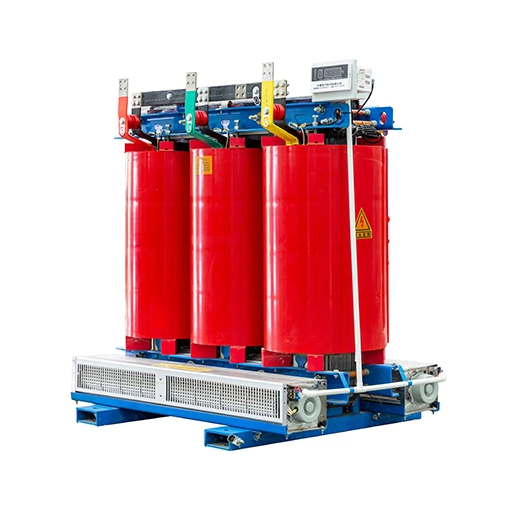
Data centers require transformers that are safe for indoor installation, quiet, and reliable. Cast resin transformers meet all three requirements. They need no fire-rated room in many jurisdictions, freeing valuable floor space for servers. Their solid insulation eliminates the risk of oil contamination in clean-room environments. Noise levels can be controlled through design optimization, with typical values from 55 dB to 65 dB at 1 meter for units under 2,500 kVA.For detailed specifications, harmonic considerations, and redundancy design practices specific to modern IT facilities, refer to Dry Type Transformer for Data Center: Specs, Sizing & Selection Guide (2026).
Hospitals and Medical Facilities
Hospital electrical systems demand the highest safety margins. Fire codes often prohibit oil-filled transformers inside hospital buildings. Cast resin transformers with F1 fire behavior class are self-extinguishing and produce no burning droplets, meeting the most stringent requirements. They are also specified for medical imaging suites and operating theaters where electrical noise and voltage stability directly affect diagnostic accuracy.
Underground and Metro Systems
Underground railways, metro stations, and tunnel installations present unique challenges. Oil-immersed transformers are prohibited due to fire regulations and the impossibility of oil containment in tunnels. Cast resin transformers with E2 climate class and F1 fire behavior class are the standard solution. The solid epoxy encapsulation resists condensation, humidity cycling, and the corrosive atmosphere found in underground environments.
Marine and Offshore Platforms
Offshore oil platforms, ships, and coastal installations expose transformers to salt spray, high humidity, and vibration. Cast resin transformers with C2 environmental class (proven resistance to chemically active environments) and additional anti-corrosion coatings withstand these conditions. The absence of oil eliminates spill risk on platforms where containment is impossible and cleanup costs are extreme.
Renewable Energy (Wind and Solar Indoor)
While solar and wind farms typically use oil immersed transformers for outdoor step-up applications, indoor renewable energy facilities such as battery storage buildings and inverter stations often specify cast resin. The choice depends on whether the transformer is located inside a building with fire safety constraints or in an open-air substation.
High-Humidity and Coastal Industrial Sites
Chemical plants, food processing facilities, and coastal factories often have ambient humidity above 80% relative humidity for extended periods. VPI transformers can suffer insulation degradation under these conditions. Cast resin transformers with E2 climate class are proven to withstand condensation and humidity cycling without performance loss. This makes them the standard choice for tropical climates and coastal industrial zones.
Cast Resin Transformer Standards and Testing
IEC 60076-11: Dry Type Transformers
The standard IEC 60076-11 governs all dry type power transformers which include all cast resin designs. The standard establishes requirements for power rating together with maximum temperature rise limits and insulation testing standards and environmental category testing procedures. The compliance with IEC 60076-11 standards enables the transformer to fulfill international safety requirements and performance standards and interoperability testing criteria.
The standard classifies dry type transformers by environmental and climate conditions. E0 is for indoor controlled environments with no condensation. E1 covers indoor locations with occasional condensation. E2 is for frequent condensation, humidity cycling, and harsh indoor environments. C1 and C2 classify chemically active environments. Specifying the wrong class is a common procurement error that leads to premature failure.
Partial Discharge Measurement (IEC 60270): Critical Quality Indicator
Partial discharge is the most important quality indicator for cast resin transformers. It measures the small electrical discharges that occur in voids or defects within the insulation. Quality cast resin transformers achieve partial discharge levels below 10 picoCoulombs (pC) at 1.5 times rated voltage. Values above 20 pC indicate manufacturing defects, voids, or poor vacuum casting process control.
Every cast resin transformer should be tested for partial discharge during factory acceptance testing. The test is performed per IEC 60270 using calibrated measurement systems. Reject any unit that does not meet the specified partial discharge limit. This single test correlates strongly with long-term reliability.
Fire Behavior Classes (F0, F1) and Self-Extinguishing Requirements
IEC 60076-11 defines two fire behavior classes for dry type transformers. F0 means the transformer is not tested for fire behavior or does not meet self-extinguishing requirements. F1 means the transformer is self-extinguishing within 30 seconds of flame removal, with no burning droplets and limited flame spread.
For buildings, underground installations, and any location where fire safety is a priority, F1 class is mandatory. The epoxy resin formulation, wall thickness, and filler content all contribute to achieving F1 classification. Always verify F1 certification with test reports, not just manufacturer claims.
Climate, Altitude, and Environmental Class (E0, E1, E2, C1, C2)
Climate and environmental class selection is where many cast resin transformer specifications fail. E0 is suitable for clean, dry, indoor electrical rooms. E1 handles occasional condensation in normal commercial buildings. E2 is required for high-humidity environments, underground installations, and any location where condensation occurs regularly.
C1 covers environments with negligible chemical activity. C2 covers industrial atmospheres with moderate chemical pollution, including coastal salt spray and chemical processing vapors. Offshore platforms, coastal factories, and chemical plants should specify E2+C2 as a minimum. The North Sea offshore story later in this guide illustrates what happens when climate class is underspecified.
Temperature Rise and Insulation Class (F 155 C, H 180 C)
Temperature rise limits are defined relative to the insulation class. For F class (155 C maximum), the average winding temperature rise is limited to 100 K above ambient. For H class (180 C maximum), the limit is 125 K. H class allows higher continuous loading and better overload tolerance but requires more expensive insulation materials.
The hot-spot temperature, which is the highest temperature anywhere in the winding, is typically 10-15 K above the average. For F class in 40 C ambient, the hot spot reaches approximately 150 C under full load, leaving only 5 C of margin. This is why proper ventilation and altitude derating are critical.
An underground metro expansion in Istanbul required 12 transformers for station substations at depths of 30-45 meters below street level. Oil-immersed units were prohibited due to fire regulations and the impossibility of oil containment in tunnels. VPI dry type units were considered but rejected after humidity testing showed insulation degradation at 85% relative humidity during summer months. Cast resin transformers with E2 climate class (proven condensation and humidity resistance) and F1 fire behavior class (self-extinguishing, no toxic emission) were selected. After three years of continuous operation, partial discharge measurements remain below 10 pC on all units.
Performance Characteristics and Sizing
Standard Capacity Ranges (100 kVA to 25,000 kVA)
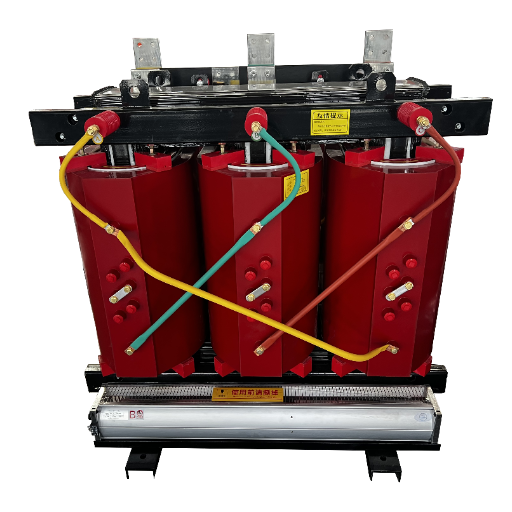
Cast resin transformers are available from 100 kVA for small commercial installations up to 25,000 kVA for large industrial and utility applications. The practical upper limit for a single cast resin unit is typically 10,000-15,000 kVA for 11 kV systems and 20,000-25,000 kVA for 33 kV systems. Above these ratings, multiple units in parallel or oil immersed designs become more practical.
Voltage Ratings and Vector Groups
Standard primary voltages include 6.6 kV, 11 kV, 22 kV, and 33 kV. Secondary voltages are typically 400 V, 415 V, or 480 V depending on the regional standard. Vector groups such as Dyn11 and Yyn0 are most common, with Dyn11 preferred for systems with significant harmonic content because the delta winding provides a path for third-harmonic currents.
Off-circuit tap changers typically provide plus or minus 2 times 2.5% voltage adjustment. This allows compensation for long-term grid voltage variations. For applications requiring frequent or automatic voltage adjustment, on-load tap changers can be specified, though they add cost and maintenance requirements.
Overload Capacity and Dynamic Thermal Performance
Cast resin transformers can sustain short-term overloads better than their continuous rating suggests. Per IEC 60076-12, a typical cast resin unit can carry 150% of rated load for 30 minutes and 120% of rated load for 2 hours without insulation damage. However, repeated overload accelerates thermal aging. The rule of thumb is that every 6-10 K increase in hot-spot temperature above design limit halves the insulation life.
The dynamic thermal performance depends on the epoxy thermal conductivity, winding design, and cooling method. AN (air natural) cooling is standard. AF (air forced) with external fans can increase capacity by 25-40% for the same unit size. AF cooling is often specified for data centers and other installations where space is constrained but temporary overload capacity is needed.
Short-Circuit Withstand (Mechanical and Thermal)
Cast resin transformers must withstand the mechanical and thermal stresses of short-circuit events. IEC 60076-11 specifies test requirements. The rigid epoxy encapsulation actually helps cast resin transformers resist mechanical deformation during short-circuit forces better than VPI or open-ventilated designs. The solid windings do not flex or shift under electromagnetic stress.
Thermal withstand is verified through temperature rise testing and calculation. The short-circuit current duration is typically 2 seconds for design verification. Ensure that the specified short-circuit withstand level matches or exceeds the maximum fault current available at the installation point.
Noise Levels and Vibration Control
Noise in cast resin transformers comes primarily from magnetostriction in the core steel. Typical noise levels range from 55 dB for small units to 75 dB for large industrial transformers at 1 meter distance. Noise can be reduced through core design optimization, lower flux density, and vibration isolation mounts.
The procurement documents require the establishment of noise limits for installations which are sensitive to noise such as hospitals and hotels and office buildings. Multiple manufacturers provide low-noise product designs which achieve 3-5 dB noise reduction through their improved core stacking and clamping methods. The system prevents structure-borne noise transmission through its vibration isolation mechanism which connects the transformer to the floor structure.
Worked Sizing Example: 2,000 kVA Data Center Installation
The data center needs 2,000 kVA transformer capacity, which must operate at 11 kV primary voltage and 415 V secondary voltage. The system must function in an indoor environment with natural ventilation, while the ambient temperature remains at 35 C, and the future capacity expansion needs to reach 2,500 kVA.
Step 1: Select standard capacity. 2,000 kVA is a standard rating. Specify the unit for continuous operation at 2,000 kVA with overload capability to 2,400 kVA (120%) for 2 hours.
Step 2: Choose insulation class. F class (155 C) is sufficient for this controlled indoor environment. H class is not necessary unless ambient exceeds 45 C or ventilation is severely restricted.
Step 3: Specify climate class. E1 is adequate for a climate-controlled data center. If the data center is in a tropical location with seasonal humidity spikes, specify E2.
Step 4: Select IP rating. IP31 is standard for indoor electrical rooms. If the transformer is visible in a public corridor or near cleaning operations, specify IP42.
Step 5: Set partial discharge limit. Specify less than 10 pC at 1.5 times rated voltage. This ensures high manufacturing quality.
Step 6: Plan for expansion. Specify the vector group and impedance to allow parallel operation with a future 2,500 kVA unit. Dyn11 with 6% impedance is typical.
An offshore oil platform in the North Sea ordered two 3,150 kVA cast resin transformers for a processing module upgrade. The supplier quoted standard E1 climate class units suitable for indoor use. During commissioning, salt spray infiltrated the module ventilation system during a storm, leaving a conductive film on transformer surfaces. The E1-rated cast resin passed initial tests, but the consulting engineer insisted on E2+C2-rated replacements with additional anti-corrosion coating. The $47,000 replacement cost and three-week delay were avoidable if the procurement checklist had included climate class verification for the actual operating environment, not just the intended indoor location.
Cast Resin vs VPI Transformer: Detailed Comparison
Manufacturing Process Difference (Vacuum Cast vs VPI Resin Dip)
Cast resin transformers use vacuum casting in molds. The windings are placed in precision molds, and epoxy resin is injected under vacuum. The vacuum removes all air and moisture before curing, producing a void-free solid block. VPI transformers use a dip-and-pressure process. Windings are immersed in resin and cured under pressure. The resin penetrates interstices but does not create a fully solid encapsulation.
The mold-based process of cast resin is more expensive and requires more sophisticated manufacturing equipment. This explains the 15-25% price premium of cast resin over VPI. For critical applications, the premium is justified by superior long-term reliability.
Moisture Resistance and Partial Discharge Performance
Cast resin provides superior moisture resistance because the solid epoxy matrix presents no path for water ingress. VPI windings have residual porosity that can absorb moisture over time, especially in humid environments. This is why the Istanbul metro project rejected VPI after humidity testing.
Partial discharge performance follows the same pattern. Cast resin units consistently achieve less than 10 pC. VPI units typically measure 20-50 pC, with some manufacturers accepting up to 100 pC. Higher partial discharge correlates with faster insulation aging and higher risk of eventual failure.
Fire Safety and Environmental Behavior
Both cast resin and VPI transformers are generally safer than oil immersed units for indoor use. However, cast resin with F1 classification provides demonstrably better fire performance. The solid epoxy encapsulation does not support combustion. F1-classified units self-extinguish within 30 seconds with no burning droplets. VPI units may achieve F1 as well, but the achievement depends more heavily on the specific resin formulation and wall thickness.
Cost Comparison and When to Choose Each
VPI transformers cost 15-25% less than cast resin for equivalent ratings. Choose VPI for standard indoor commercial applications in controlled climates where cost is the primary driver. Choose cast resin for high-humidity environments, underground installations, safety-critical facilities, and any application where long-term reliability justifies the premium.
Comparison Table
| Feature | Cast Resin Transformer | VPI Transformer |
|---|---|---|
| Manufacturing | Vacuum cast in molds | Dip and pressure cure |
| Insulation | Solid epoxy block | Resin-impregnated windings |
| Partial discharge | Typically less than 10 pC | Typically 20-50 pC |
| Moisture resistance | Excellent (solid encapsulation) | Good (porosity possible) |
| Fire behavior | F1 self-extinguishing standard | F1 available, not guaranteed |
| Typical cost | 15-25% premium over VPI | Lower cost option |
| Best for | Critical, humid, underground apps | Standard indoor commercial use |
| Maintenance | 10-15 years maintenance-free | Annual inspection recommended |
Cast Resin Transformer Procurement Checklist
Use this 12-item checklist before requesting quotations or evaluating manufacturer proposals:
- kVA rating and voltage configuration (primary and secondary): Confirm continuous load, peak load, and future expansion plans.
- Vector group and tapping range: Dyn11 is standard for harmonic-rich loads. Specify off-circuit or on-load tap changer.
- Insulation class (F 155 C or H 180 C): F class for normal environments. H class for high ambient, limited ventilation, or heavy overload duty.
- Partial discharge limit: Specify less than 10 pC at 1.5 times rated voltage. Reject units exceeding 20 pC.
- Climate class (E0, E1, E2) and environmental class (C1, C2): Match to actual operating conditions, not just intended installation location.
- Fire behavior class (F0 or F1): Specify F1 for buildings, underground, hospitals, and all safety-critical installations.
- IP rating for enclosure: IP31 for standard indoor. IP42 for public areas or washdown environments. IP54 for dusty or semi-outdoor locations.
- Short-circuit withstand level: Specify mechanical and thermal withstand in kA and duration. Must exceed maximum available fault current.
- Noise level limit: Specify maximum dB at 1 meter if installing in noise-sensitive buildings.
- Altitude derating: Standard ratings assume sea level to 1,000 meters. Derate approximately 0.5% per 100 meters above 1,000 meters.
- Copper vs aluminum windings: Specify copper for critical applications, frequent overload, or harsh environments. Aluminum is acceptable for standard commercial duty.
- Factory acceptance testing (FAT) and witness test requirements: Include partial discharge, voltage ratio, winding resistance, and insulation resistance. Witness testing adds cost but provides buyer confidence.
Conclusion
Cast resin transformers represent the highest level of dry type transformer technology. The vacuum casting process produces an insulation system without any internal voids which provides better protection against moisture and fire and mechanical stress than VPI and traditional dry type systems. The only material that meets safety standards and reliability requirements for data centers and hospitals and underground facilities and marine platforms and high-humidity industrial sites is cast resin.
The main factors that determine the procurement process for a cast resin transformer involve the selection of appropriate insulation class which matches your thermal environment and the identification of correct climate and environmental class that matches your actual operational conditions and the establishment of maximum allowable partial discharge limit and the confirmation of F1 fire performance certification. The 12-item checklist above prevents the specification errors that lead to costly replacements and project delays.
Transformer efficiency and lifecycle cost should also factor into your decision. A cast resin transformer with lower losses can recover its price premium through reduced energy consumption over a 20-year service life.
Shandong Electric Co., Ltd. manufactures custom cast resin transformers from 100 kVA to 25,000 kVA, built to IEC 60076-11 and IEEE C57.12.01 standards. Send your voltage, kVA, climate class, and application requirements for a detailed quotation and engineering specification review.