
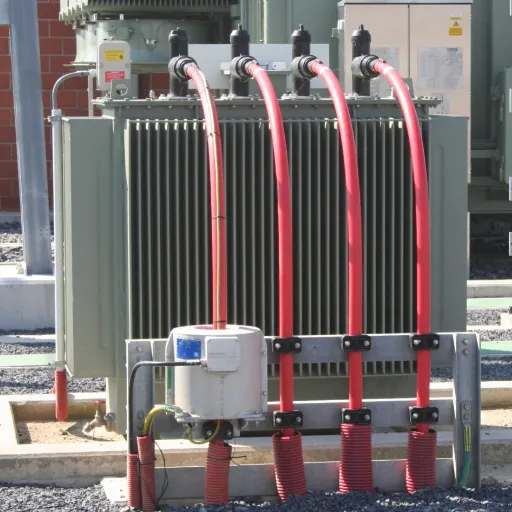
Transformer Grounding: Methods, Requirements & Best Practices

Transformers need proper grounding because it protects their safety and system reliability while maintaining operational efficiency for electrical systems. Grounding serves as essential practice for modern electrical infrastructure because it protects equipment from fault currents while keeping personnel and assets safe from electrical hazards. The article will investigate transformer grounding through its technical aspects which include essential requirements and best practices used in the industry. The comprehensive guide provides actionable insights which help engineers technicians and electrical system professionals achieve optimal grounding configurations. The study will demonstrate how proper grounding helps electrical networks maintain stable operations while operating with maximum efficiency.
Understanding Grounding Transformers
Definition and Purpose of Grounding Transformers
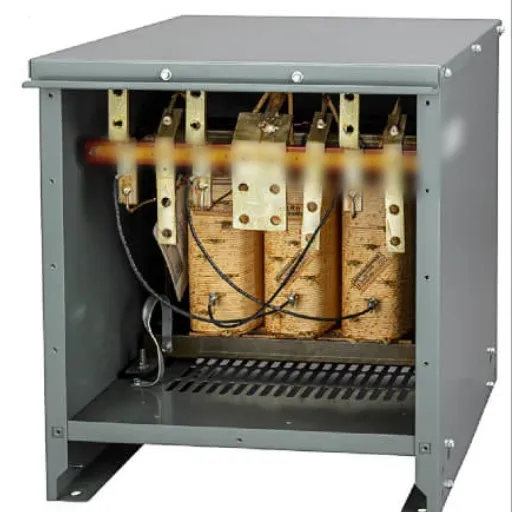
The grounding transformer functions as an advanced system which creates a grounding reference point for ungrounded electrical networks through its capacity to establish a low-impedance connection with the ground. The main function of this device is to establish a neutral point which does not exist in the system which allows the system to identify and handle ground faults. Grounding transformers find their most common use in systems which lack a directly grounded neutral, which includes both delta-connected networks and isolated generator systems.
The main purpose of a grounding transformer involves controlling fault currents during ground fault events which increases both safety and system reliability. The grounding transformer creates a safe route for fault currents which enables power equipment to operate safely while reducing the potential dangers of electrical fires. The solution works by helping protective relays to function correctly which results in quick fault detection that protects system integrity through isolation.
Grounding transformers find their most common use across three main fields which include industrial sites, utility operations and renewable energy production. The most common designs are the zig-zag and wye-grounded/delta configurations, chosen based on system requirements such as current capacity, fault-handling capabilities, and space constraints. The transformers provide essential support to power distribution network stability through their advanced grounding systems, which meet particular operational requirements.
Types of Grounding Transformers
Grounding transformers divide into two main categories which depend on their winding designs and their operational functions in power systems. The zig-zag grounding transformer and the wye-grounded/delta transformer function as two different types of grounding transformers. Distribution networks use each transformer type to meet their specific grounding needs and fault detection requirements.
1. Zig-Zag Grounding Transformer
The zig-zag transformer is widely used in systems requiring effective fault current management and minimal distortion. The design of its winding system enables it to eliminate unbalanced currents while keeping a low impedance path for zero-sequence currents. The system proves ideal for ungrounded networks because stabilization proves essential for high-resistance grounding environments. The design achieves compact dimensions while maintaining effective performance in modern power systems through its ability to handle neutral currents.
2. Wye-Grounded/Delta Grounding Transformer
The wye-grounded/delta transformer functions as a dual-purpose device which provides both grounding functions and load feeding capabilities. The transformer uses its wye-connected primary winding, which establishes a secure neutral point for grounding, while its delta secondary handles unbalanced load currents and phase fault protection. The type of transformer suits applications which need both fault protection and continuous power supply, which industrial plants, renewable energy facilities, and substations commonly use. The robust design of this system allows it to handle multiple operational environments through its capacity to manage higher fault levels.
Both zig-zag and wye-grounded/delta designs are indispensable in maintaining system reliability and safety. The choice between the two systems depends on three elements, which include how the system is structured, which fault current capabilities are needed, and whether unbalanced loads exist. Power distribution networks achieve successful integration through operators who understand these established configurations.
Applications of Grounding Transformers
Power systems use grounding transformers for multiple purposes which improve their stability and safety and operational performance. The following section presents five grounding transformer applications:
- Neutral Grounding for Ungrounded Systems: Grounding transformers create a neutral point which helps ungrounded systems to detect faults and allow current to move during ground faults. A 13.8 kV ungrounded system benefits from a grounding transformer installation because it enables safe ground fault current discharge without causing equipment overvoltages which increases system protection.
- Mitigation of Ferroresonance: Grounding transformers stabilize voltage variations which helps prevent ferroresonance from creating high voltage conditions inside the electrical system. Medium-voltage networks benefit from well-designed grounding transformers because they significantly decrease the chances of ferroresonance which occurs from capacitive switching and power line irregularities.
- Support for Distributed Generation Systems: Grounding transformers enable safe operation of distributed energy resources which include solar and wind farms. The transformers accomplish proper grounding and fault management for systems that operate in both isolated and grid-connected modes while handling unbalanced loads and ground faults which would otherwise disrupt system performance. Renewable energy installations demonstrate a 20-30% decrease in voltage imbalance through their implementation.
- Facilitation of Low-Fault Current Detection: Grounding transformers make it possible to find low-magnitude ground faults which would have remained hidden but create dangers that develop over time. The system uses zig-zag configurations to restrict fault current flow which allows industrial facilities to carry out their necessary corrections because they only tolerate minor disturbances.
- Power System Stabilization During Line-to-Ground Faults: Grounding transformers maintain equal voltage distribution throughout the system during line-to-ground faults. The grounding transformer in three-phase systems enables operators to maintain system operation because it prevents single-phase loads from suffering major voltage disturbances which result from faults.
The essential function of grounding transformers at industrial power systems and utility-scale power systems demonstrates their value in maintaining operational performance and meeting regulatory standards.
Neutral Grounding in Transformers
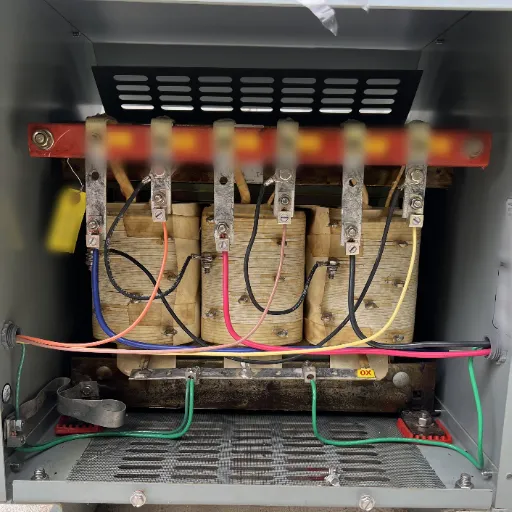
Concept of Neutral Grounding
The process of neutral grounding establishes a connection between the neutral point of a transformer or generator and the earth, which operators accomplish through three different methods that include using resistors, reactors, and conductive links. The implementation of this practice establishes fundamental improvements in power system safety, system stability, and system reliability. System operators use grounding methods to establish three different technical effects that include changes in fault current distribution, operational system functionality, and protection system performance.
The neutral grounding system allows power systems to achieve three operational objectives which include transient overvoltage protection, fault current management, and effective relay-based fault detection. Power systems use various neutral grounding techniques, including solid grounding, resistance grounding, and reactance grounding, to meet their specific operational needs. For example, resistance grounding is commonly utilized in medium-voltage networks to limit current during ground faults, thereby reducing equipment damage and minimizing arc flash hazards.
Power systems today focus on implementing digital technology solutions that enable better monitoring capabilities for their neutral grounding systems. Organizations are increasingly using advanced sensors together with analytics tools to monitor ground fault conditions in real time, which gives operators essential information needed to diagnose problems and improve power quality. The digital tools used by the organization meet both industry standards and regulatory requirements, which enables them to operate their business activities while safely integrating renewable energy sources into their existing power infrastructure. Modern energy systems depend on neutral grounding because it provides essential safety measures which work together with efficient operations and expandable systems.
Benefits of Neutral Grounding
- Enhanced System Safety: Neutral grounding protects against over-voltage dangers by delivering a secure route which handles fault currents. Studies demonstrate that properly grounded systems lower the likelihood of electrical shock hazards by up to 80%, ensuring safer working conditions for operators and maintenance personnel.
- Improved Fault Detection and Isolation: Grounded systems enable faster and more accurate fault detection, which reduces downtime while they help technicians to identify the exact location of system failures. This process enables organizations to conduct their investigations faster, while it protects essential equipment from any dangers which might occur during their operations.
- Surge and Overvoltage Protection: Neutral grounding protects systems from power surges and lightning strikes by maintaining stable voltage levels during transient events. Data indicates that systems with effective grounding experience up to 50% fewer instances of equipment failure due to transient overvoltages.
- Enhanced Power Quality: Neutral grounding regulates voltage fluctuations while delivering stable electricity, which decreases interruptions in energy distribution networks. The implementation of grounding systems prevents harmonic distortions from occurring, which enables sensitive electronic devices to function without operational interruptions.
- Integration of Renewable Energy: Neutral grounding enables traditional power grids to accept solar and wind energy sources without any operational difficulties. It aids in balancing the system dynamics and ensures compliance with industry standards for the safe and efficient operation of hybrid energy systems.
Common Practices for Neutral Grounding
The purpose of neutral grounding practices is to create optimal conditions for electrical system safety and system stability and system efficiency. The following section presents the primary methods that engineers use for their work:
- Solid Neutral Grounding: The system neutral gets directly tied to the ground through this method which lacks any resistive or inductive parts. The method gets applied in low-voltage systems to achieve two goals which include fast fault detection and personnel protection and equipment protection against overvoltages.
- Resistance Grounding: Resistance grounding systems connect the neutral to ground through a resistor. The system suppresses fault currents to maintain secure operation which protects equipment from ground faults and decreases arc flash hazards. Medium-voltage systems employ low-resistance grounding while essential processes that require constant operation use high-resistance grounding.
- Reactance Grounding: The technique utilizes a reactor that connects the neutral to the ground to regulate fault current behavior. The implementation of reactance grounding systems enables organizations to achieve two objectives which involve decreasing fault current levels while maintaining transient overvoltage within acceptable limits.
- Ungrounded Systems: The ungrounded system uses insulation monitoring and ground fault detection to operate as a grounding system. The method is outdated for modern industrial facilities but it remains in use for shipboard and military operations that need continuous power supply.
- Hybrid Grounding Techniques: The hybrid grounding method combines different grounding methods to create a system-specific solution. Resistors and reactors work together to create a precise control system for both fault current and transient response.
- Compliance with Standards: The practice of following industry standards and regulations which include IEEE 142 (Green Book) and IEC 60364 and NEC Article 250 constitutes a vital business operation. The guidelines establish design standards which engineers must follow to create neutral grounding systems that achieve dependable and secure operation.
The implementation of these methods enables electrical systems to sustain their operational capacity while decreasing system interruptions and protecting staff members and equipment from electrical risks.
Grounding Methods and Configurations
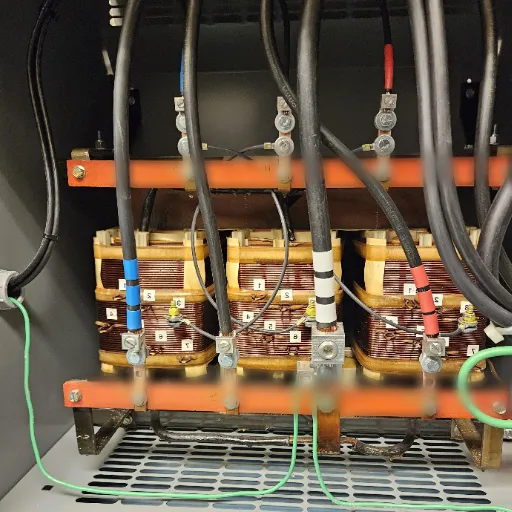
Solid Grounding
The method of solid grounding establishes a direct electrical link between the system neutral point and the earth without using any deliberate resistance to create a grounding connection. The grounding setup enables fault currents to return to their original source with quick speed which permits circuit breakers and relays to work effectively in their fault isolation duties. Solid grounding serves as the preferred grounding method for both low-voltage and medium-voltage systems because industrial and commercial facilities require it to protect against overvoltages and maintain safe operations. Its straightforward design enables reliable fault detection which makes it suitable for various practical applications.
Solid grounding provides its main benefit through its capacity to sustain low line-to-ground voltage levels during fault situations. The method establishes a direct ground connection through a pathway which has low resistance to ground. The system component, which protects delicate equipment, will extend the functional lifespan of insulation materials and all other system parts. Solid grounding provides major support for protective device coordination by producing fault currents that reach enough levels to enable quick and accurate fault detection and system restoration.
High-voltage systems face operational difficulties because solid grounding has specific operational restrictions. The fault current levels of the method can cause equipment destruction and thermal stress and arc flash risks when operators fail to control them through proper fault management practices. The solid grounding systems need strong protective equipment that includes circuit breakers which operate quickly and modern relay systems to reduce these dangers. The effectiveness of solid grounding as a standard grounding method endures because it enhances electrical safety and system stability when organizations implement it according to established industry standards and maintain the system properly.
Resistance Grounding
Resistance grounding is a method of electrical grounding which uses a resistor to create a controlled connection between the neutral point of a transformer or generator and the earth. The primary purpose of this approach is to limit fault currents during ground fault conditions which helps to decrease equipment damage and decrease the probability of arc flash accidents. The method enables system stability to maintain operations through single-phase-to-ground faults which are essential for industrial and utility operations.
Modern resistance grounding systems use advanced technology through their combination of HRG units and programmable relay controls and fault monitoring systems to deliver accurate protection and monitoring capabilities. HRG maintains ground fault currents at extremely low levels which typically remain below 10 amps to decrease fault damage while maintaining fault detection capability.
Statistical analyses, which draw from industry research, show that resistance grounding decreases substantial system outages more effectively than ungrounded systems. The system enables better maintenance through its capability to identify and pinpoint faults. Resistance grounding provides a dependable method for medium and high voltage systems when the design and implementation follow IEEE and NEC standards because it ensures safety and system capacity and operational success.
Zig-Zag Grounding Configurations
The design of zig-zag grounding transformers creates a ground connection with low resistance which allows fault currents to flow safely while keeping the electrical system operational. The transformers use interconnected windings which form a zig-zag design to cancel out standard phase currents while permitting zero-sequence currents to flow through. The unique design of this system protects against overvoltage hazards which occur during single-line-to-ground faults and this protection helps medium and high voltage networks maintain operational stability.
Zig-zag grounding configurations create their main benefit from their capability to deliver accurate fault identification together with fault location information. The method allows operators to detect ground faults through the separation of zero-sequence currents from standard phase currents which boosts their ability to troubleshoot problems. The system configuration improves protection coordination with different system components which include overcurrent relays and circuit breakers.
Research shows that zig-zag transformers deliver better transient suppression and system reliability results when compared to solid and resistance grounding techniques. The compact design of these products allows their use in locations with limited space while they meet all electrical safety requirements of IEEE and NEC standards. Industrial facilities and substations and critical infrastructure that needs strong grounding capabilities all benefit from using zig-zag grounding systems.
Ground Faults and Ground Fault Current
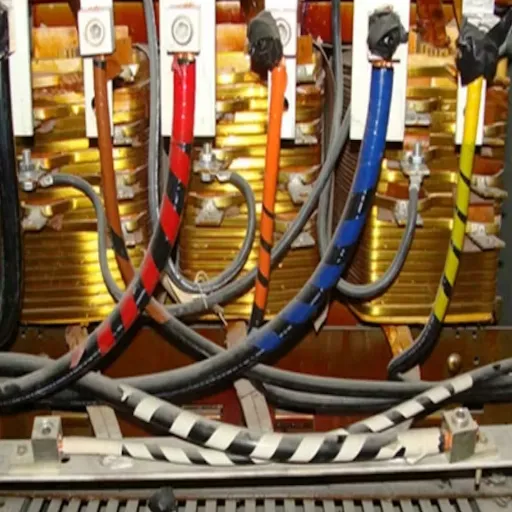
Understanding Ground Faults
A ground fault occurs when an unintended connection forms between an energized conductor and the grounding system or an equipment chassis. The problem emerges from three main sources, which include insulation failure and device malfunction and accidental contact, as well as environmental impacts from moisture and contaminants. Ground faults create major hazards which endanger both people and equipment and cause system failures because they result in electrical shock dangers and arcing and fire outbreaks.
The severity of a ground fault depends on the impedance present in the fault path and the electrical system’s design. Low-impedance faults create high fault currents which activate protective devices that include circuit breakers and fuses. The current in high-impedance ground faults fails to reach the threshold required for standard protective devices, which results in undetected faults that make systems more susceptible to attacks.
Modern electrical systems employ sophisticated protective relays and monitoring systems which have been developed to accurately identify ground faults. The combination of zero-sequence current transformers and ground fault relays and continuous system insulation monitoring systems plays a vital role in reducing the dangers that come from these faults. The application of IEEE 242 and NEC Article 250 standards guarantees that organizations will implement proper grounding methods and effective fault reduction measures. The technical method improves safety during operations while meeting all requirements of standard engineering procedures.
Impact of Ground Fault Current on Systems
The failure to properly control ground fault current will cause severe damage to electrical systems which results in equipment destruction and work delays and creates dangerous situations. The development of effective mitigation strategies requires a full understanding of the impacts and their root causes. The following list presents five major ways that ground fault current affects electrical systems:
- Equipment Damage: Ground fault currents create excessive heat which damages electrical insulation and causes essential system components to fail. The system typically experiences this problem with its transformers motors and switchgear. Electrical faults that happen repeatedly will eventually require expensive system restoration work. Research shows that insulation breakdown happens when equipment faces fault current that exceeds its thermal design limits.
- Voltage Fluctuations: System voltage stability experiences major disruptions when fault currents occur. The equipment that connects to the system experiences strange operating situations which cause it to function improperly and lose productivity. The situation becomes especially troublesome for industrial systems that include sensitive equipment like variable frequency drives (VFDs).
- System Downtime: The presence of ground faults leads to the activation of overcurrent protection devices which include breakers and relays that result in service interruptions. Facilities that run critical operations such as data centers and hospitals experience major operational interruptions when ground faults lead to system downtime.
- Safety Risks: Ground fault currents create dangerous safety conditions which include the potential for electrical shock to workers. The touch and step potential increases during faults which creates a situation that can lead to fatal consequences. Ground fault circuit interrupters (GFCIs) and personal protective equipment (PPE) need to be properly rated because these devices serve as safety safeguards against workplace dangers.
- System Degradation: Electrical systems experience system degradation when ground faults continue to occur. The electrical distribution network infrastructure suffers from faults which cause continuous electrical stress at specific points of failure.
Engineers can design systems that minimize operational risks through their in-depth analysis and strict compliance with technical standards. System integrity maintenance under ground fault conditions depends on three key methods which include advanced fault detection system implementation and routine equipment assessment and proper system grounding practices.
Detection and Mitigation of Ground Faults
The process of detecting ground faults and mitigating them needs exact instruments together with sophisticated algorithms and strict engineering standards. The detection systems use ground fault circuit interrupters GFCIs and current transformers and protective relays as their monitoring devices to check electrical imbalances which show possible faults. The technologies function by detecting changes which happen when current flows through conductors and creates leaks to the ground because of different current flow patterns between the two.
The mitigation strategies include both methods which respond to faults and methods which prevent faults. The process of reactive measures requires circuit breakers to isolate faulted areas which will stop system failures from spreading while decreasing equipment destruction. The organization uses three proactive mitigation methods which include strong insulation systems and following system voltage standards and using grounding grids to direct fault currents into the earth. The organization now uses real-time monitoring systems which use predictive analytics to identify upcoming faults before they occur thus allowing early system changes to take place.
Smart grid technology implementation improves ground fault detection and resolution capabilities for electrical networks. The system uses data analytics to create detailed fault profiles which help track down faults and enable faster system recovery after faults. The approach creates better electrical network protection which meets the rising needs for dependable electricity in complex systems.
Best Practices for Transformer Grounding
Regular Maintenance and Inspection
The process of regular maintenance together with inspection of transformer grounding systems serves as the foundation which guarantees that equipment operates at its best while protecting user safety and providing trustworthy service. The various environmental elements which exist in the world over time lead to the gradual weakening of grounding conductors and connections and rods through different methods of environmental erosion and corrosion which create damage to these components. The system needs periodic inspections to validate grounding component integrity and industry standard compliance because system failures might happen without these inspections.
The energy monitoring infrastructure depends on advanced diagnostic tools which include ground resistance testers and thermal imaging to assess grounding infrastructure conditions. The tools offer exact data points which researchers use to find problems that include elevated ground resistance and loose connections and thermal hotspots. The investigation of past performance data together with current real-time analytics will improve fault detection capabilities while enabling prediction of upcoming failures before they actually happen.
Modern digital monitoring systems give organizations the power to monitor grounding systems at all times because these systems guarantee that performance standards remain fulfilled. Monitoring software which connects with IoT sensors enables real-time alerts to show when system resistance changes or other system faults occur. The system decreases system interruptions while enabling organizations to execute preventive maintenance which cuts down costs linked to emergency repairs.
The organization achieves its goals for transformer grounding system maintenance through a combination of scheduled maintenance activities and modern technological solutions which ensure that the systems meet both regulatory standards and operational needs while building stronger power distribution network security and safety.
Using Advanced Technologies for Monitoring
The use of advanced technologies enables better performance improvements which change monitoring processes for transformer grounding systems. The current monitoring systems use real-time data acquisition and remote sensing and advanced signal processing methods to identify grounding performance issues. The system uses exact sensors to track ground resistance and leakage currents and temperature changes which creates a complete picture of system operation. When used properly these technologies will provide early detection of equipment deterioration and possible breakdowns which helps organizations create proactive maintenance schedules that cut unplanned interruptions.
The monitoring system achieved major progress through its ability to link Internet of Things (IoT) devices with cloud-based monitoring systems. Grounding systems equipped with IoT sensors can continuously gather data which their system transmits to cloud analytics centers for immediate data handling. The platforms use machine learning algorithms to discover patterns which allow them to forecast future breakdowns thus amplifying their maintenance prediction functions. IoT technology enables remote control which allows users to monitor system operations from any location making it ideal for monitoring distant or hard-to-access facilities.
The introduction of digital twin technology now enables a complete transformation between systems monitoring and system simulation. The creation of digital twins enables operators to build virtual system models which permit them to test system performance under different scenarios while discovering system weaknesses without affecting real-world operations. This technology uses historical performance information together with advanced modeling methods to create a comprehensive understanding of system behavior. Organizations can achieve improved operational efficiency through advanced technology adoption which also enables them to meet demanding industry regulations that protect critical power systems.
References
-
Development of an Algorithm for the Study of Power System Grounding
This document discusses grounding transformers and high-resistance grounding methods. -
The Grounding of Electrical Systems
This paper explores grounding practices and their applications in electrical systems. -
Analysis of Induced Voltages on the Transformer Platform
This study examines grounding meshes and grids for transformer platforms in hydroelectric power plants. - Click here to read more.
Frequently Asked Questions (FAQ)
Q: What is transformer grounding and why is it important?
A: transformer grounding creates a safe system which establishes an earth connection through a transformer’s neutral point or its enclosure. Proper grounding creates a ground-fault current return path which restricts ground voltage levels during short circuits and enables protective devices to function correctly in clearing ground-faults.
Q: How does transformer configuration (delta or wye) affect grounding requirements?
A: The grounding requirements of a transformer depend on its delta or wye configuration because these two configurations determine which grounding points are accessible and which neutral connections require grounding. A wye-connected transformer secondary typically provides a neutral grounding point that can be solidly grounded or connected through an impedance to control ground-fault current magnitude. Grounding transformers create a neutral point for delta systems which require a grounding point on their derived system.
Q: What are grounding transformers and when are they used?
A: grounding transformers create a neutral connection for systems which include delta and ungrounded wye configurations. The system establishes a low-impedance path through which ground-fault current travels so protective devices can detect ground faults and activate their trip function. Common grounding transformers include zigzag or corner-grounding types sized in kva to withstand short-time current and to limit current magnitude as required by the national electrical code.
Q: What is a ground-fault and how does transformer grounding limit its impact?
A ground-fault occurs when an energized conductor establishes accidental contact with ground or an earthed component. Proper transformer grounding provides a controlled, relatively low-impedance return path for fault current so that the short circuit is quickly detected and isolated. Grounding determines the ground-fault current path while influencing both current strength and protective equipment activation which safeguards the transformer winding and enclosure against potential harm.
Q: Can an ungrounded wye transformer be safely operated without grounding?
A: An ungrounded wye transformer can continue to function, but it is not suitable for systems which need a specific return path and fast fault resolution. The absence of a grounding point allows ground-fault currents to emerge as small amounts which traverse capacitances, thus creating challenges for detection and resulting in continuous overvoltages at both the transformer secondary and nearby phases. The national electrical code mandates that neutrals from separately derived systems and transformer secondary windings must either be grounded or use a grounding transformer for safety and code compliance.
Q: How is the transformer’s neutral grounded — solidly or through impedance?
A: The neutral connection permits solid grounding or current flow through a resistor/reactor setup which restricts ground-fault current strength. Solidly grounded neutrals provide a low-impedance path to ground and faster trip operation, while impedance grounding limits fault current to reduce mechanical and thermal stress on the transformer winding, which impacts the short-time withstand capacity.
Q: What role does the enclosure and auxiliary equipment play in grounding?
A: The electrical connection between the transformer enclosure and auxiliary components to the grounding point establishes a secure fault current return path which protects against dangerous touch voltages. Required grounding of the enclosure ensures any fault to metal parts will produce a clear return path that prompts trip devices to clear the fault, protecting personnel and limiting damage to the transformer’s arrangement and secondary winding.
Q: How do you size grounding equipment and ensure compliance with the national electrical code?
A: The process of sizing grounding equipment requires the calculation of ground-fault current which depends on the transformer kva rating and its winding design and system impedance, thus ensuring that all system components can handle both temporary fault currents and anticipated current levels. The national electrical code defines specific grounding procedures and establishes minimum conductor dimensions. Engineers must design grounding systems to handle ground-fault currents through their return path while ensuring that trip settings align with short-time withstand ratings and meet code standards.