
Pad Mount Transformer Installation Guide: Step-by-Step Process

The installation of a pad mount transformer is a very important operation that definitely requires accuracy, strict safety measures, and expert skills. If you are an experienced electrical contractor or a project manager keeping watch over a new development, then knowledge of the correct installation process will go a long way in making sure that the device functions well and lasts long. This guide has been prepared for you to have a simple, easy, and step-by-step manner of installing a pad mount transformer through the discussion of major factors, safety laws, and the best ways to do it.
Overview of Pad-Mounted Transformers
What is a Pad Mounted Transformer?
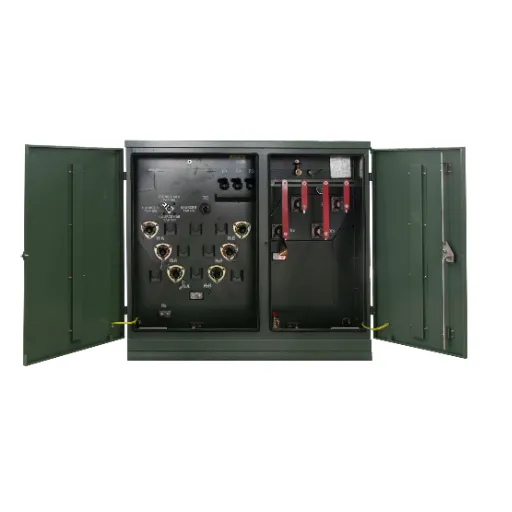
A pad mounted transformer is an electrical transformer that can be puPad-Mountedt in a ground-level position. Usually, it is placed on a concrete or gravel pad. It works by taking high-voltage power from the utility grid and reducing its voltage to a level suitable for residential, commercial, or industrial use. They are enclosed in a strong metal casing that keeps the transformer safe from external risks like weather, vandalism, and other risks.
Pad mounted transformers are frequently installed in places with underground power distribution systems. Unlike pole-mounted transformers which are fixed on utility poles, these transformers are located on the ground making them easier to maintain and repair. Besides, they are installed in tamper-proof enclosures, equipped with safety features that provide electricity in a safe manner and also prevent unauthorized access.
Due to their compact structure, not so difficult to integrate into urban and suburban environments, pad mounted transformers are the ones to be selected in modern electrical distribution systems. Indeed, they play an important role in the efficient energy delivery that visual and physical disruption to the surrounding landscape is minimized.
Benefits of Using Pad Mounted Transformers
- Safety and Security: Transformers mounted on pads come with tamper-resistant cabinets and safety features that are built-in, thus making it impossible to access them without permission and at the same time ensuring that the public is safe. These transformers, which are mounted at ground level, pose fewer hazards than the traditional pole-mounted transformer.
- Space Efficiency: The design of these transformers is compact which thereby makes them fit for use in urban and suburban areas where there is limited space. By taking up very little space, they are able to develop the locality more.
- Aesthetic Appeal: In contrast to overhead transformers, pad-mounted transformers are not as visually obstructive. Their low profile and customizable enclosures help them to harmonize with the surrounding area thus reducing visual interference.
- Enhanced Reliability: Transformers mounted on pads are less susceptible to the problems caused by extreme weather conditions like heavy winds and lightning strikes as compared to their pole-mounted counterparts. This placement contributes to longevity and the reduction of frequent power outages.
- Ease of Maintenance and Accessibility: The installation of transformers on pads at ground level makes it easier for maintenance personnel to access them for inspection and repair. This ease of access contributes to the reduction of maintenance time and to the enhancement of the operational efficiency of the utility companies.
Applications in Modern Power Systems
Pad-mounted transformers are very important in power systems of today, providing different functionalities in a wide range of applications. Below are five key uses with explanations:
- Residential Areas: These transformers can be found in the suburbs and cities where they are doing the work of lowering voltage of electricity that is safe for residential use. Their role is to provide a steady supply of power for all the daily residential activities which include among others, lighting, heating, and running appliances.
- Industrial and Commercial Facilities: Powering up industrial and commercial buildings with pad-mounted transformers is the best way to go since the demand for medium-voltage power for heavy machines, HVAC systems, and large equipment is constant. They are made strong enough to withstand the high energy requirements and also be running efficiently.
- Renewable Energy Integration: Solar and wind farms are using pad-mounted transformers a lot to change the voltage of the produced power suitable for distribution to the grid. The data from renewable energy plants show that their smallness and efficiency are perfect for such installations.
- Underground Power Networks: Pad-mounted transformers are necessary for underground distribution systems where both safety and beauty are very important. They reduce the risk of people being influenced by bad weather conditions, and at the same time, they make the environment of cities and suburbs more beautiful by removing the overhead lines.
- Telecommunications and Data Centers: Telecommunications towers and data centers are some of the operations that require very reliable 24/7 power and hence the heavy use of pad-mounted transformers in such places to ensure service is not interrupted. The design of the transformers is such that they can be accessed easily for quick maintenance to avoid downtime.
The range of applications mentioned above highlights the role that pad-mounted transformers play in the development of power systems that are safe, efficient, and capable of adapting to the changing energy demands of modern times.
Installation Requirements for Pad Mounted Transformers
Site Preparation and Location Considerations
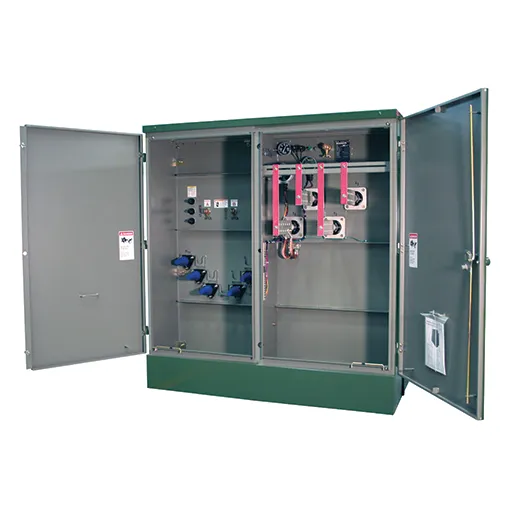
The proper preparation of the site is a crucial factor to enable the operation of pad-mounted transformers safely and reliably. The installation site has to be level, stable, and without any debris in order not to cause shifting or uneven support. A concrete pad of high firmness is usually suggested so as to create a very strong base that can support the weight of the transformer and also endure the different environmental conditions throughout the years.
When determining the transformer location, accessibility for maintenance and safety clearance are primary considerations. The site has to meet local and national safety requirements, including, for instance, minimum distances to be kept from buildings, roads, and other constructions. In addition to that, the transformer has to be installed in a place where there is good ventilation for overheating prevention and performance enhancement.
It is very important to factor in potential environmental hazards like flooding or water logging. This can be done either by installing the transformer on a hill or using proper drainage systems. If the site is in a place where there is a lot of movement, then protective barriers like bollards or fencing should be put up to prevent accidental damage. All these factors combined, not only do they ensure the transformer’s safety but also its reliability and longevity.
Electrical and Safety Regulations
Compliance with electrical and safety regulations is essential for the normal and safe functioning of transformers and other electrical gear. These regulations aim at controlling the risks of hazards and fires which can lead to electric shock or equipment failure. The U. S. National Electrical Code (NEC) as well as International Electrotechnical Commission (IEC) standards worldwide provide an extensive enunciation of the requirements for installation, inspection, and maintenance of electrical systems. Compliance with these standards not only reduces hazards but also helps in keeping the operations efficient and reliable to a certain degree.
One major point of concern when it comes to these regulations is the grounding and bonding of electrical equipment being done in a right manner. Grounding helps in directing the fault current safely down through the earth thereby minimizing the chances of electric shock and damage to the equipment. Regulations usually define the kind and size of grounding conductors, the methods for connnecting them to the equipment and the structures as well as the clearance requirements to be maintained to prevent accidental contact between conductors and earthed equipment. As part of the safety measures regular inspections are done as prescribed by the safety codes to ensure that the systems are in compliance and to detect possible problems before they become serious.
Compliance is also closely connected with the monitoring of worker safety arrangements. Hence, personal protective equipment (PPE) such as insulated gloves, face shields, and flame-resistant clothing are commonly required by regulations as the bare minimum to protect workers in high-voltage settings. Furthermore, lockout/tagout (LOTO) procedures are indispensable in this regard since they make it safe to work on the de-energized electrical systems during maintenance. Workers are properly trained and certified based on the complexity of the system and the related safety standards. It is through the implementation of strict electrical safety regulations that the risks that come with electrical equipment operation are minimized, creating a safer and more reliable infrastructure.
Required Tools and Equipment
In the context of electrical systems, the use of proper tools and equipment is a must if one is to have efficiency, safety, and compliance with industry standards. The primary hand tools like insulated screwdrivers, pliers, and wire cutters are a need for any electrical work, giving precision and at the same time reducing the risk of electrical shock. Voltage testers and multimeters are the devices that enable the technicians to check the power levels and accurately troubleshoot the systems. The use of these tools guarantees the safe handling of the components, thus making sure that the circuits are operating well before the technicians resort to doing maintenance or replacement work.
The specialized tools such as thermal imaging cameras and power quality analyzers have made it possible to detect and diagnose advanced problems. The thermal imaging technique recognizes overheated parts, revealing faults or inefficient operation while the power quality analyzers identify issues of voltage drops, spikes or distortions. The data supplied is of paramount importance in the maintenance of system reliability and avoidance of expensive downtime. Also, the circuit tracers and cable locators make it easier to find out where the hidden wires and circuit paths are which helps in making complex tasks in large electrical installations quicker.
In terms of personal safety, protective gear is a must. Insulated gloves, arc-rated face shields, and flame-resistant clothing are among the personal protective equipment that electrical workers must wear to prevent the dangers of electrical arcs and shocks. Lockout/tagout (LOTO) kits are critical for turning off power to equipment and marking the area to prevent accidental reactivation while maintenance is ongoing. When the right tools are used alongside the safety measures, it means that maintenance and installation tasks will not only be done in an efficient manner but also a safe one which will result in the reduction of risks and the enhancement of the overall system reliability. Using and taking care of high-quality and industry-approved tools is very important for completing electrical projects at the top standard.
Safety and Environmental Considerations

Safety Guidelines During Installation
Safety measures during electrical installation are the most important aspect because they can help avoid accidents, injuries, and hazards. One of the most important rules in this regard is the de-energizing of the circuits always before work is started. This means switching off power at the main panel and using a voltage tester to check that there is no current. Adherence to lockout/tagout (LOTO) procedures is very important to make sure that the system is safe and to prevent accidental re-energization. In addition, the wearing of personal protective equipment (PPE) such as insulated gloves, safety goggles, and the right type of shoes is very important to eliminate the risks of electrical shocks or being injured by falling debris.
Safe usage of tools is another basic necessity for keeping the area safe. Use insulated tools that are made specifically for electrical work so that you do not create any paths for the current to go through unknowingly. It is a must to inspect tools daily for signs of wear and tear or damage because such tools can cause accidents. Besides, workers are expected to maintain the cleanliness of their work area, i.e. not having any unnecessary things there and to do so as to avoid the risk of tripping or having contact with exposed wires. Besides, it is a good idea to label all cables and components clearly because it will not only help in avoiding confusion and mistakes but also on complex projects.
Training and following regulations are the main things needed for successful and safe installations. The entire staff should receive comprehensive training in electrical safety practices along with emergency protocols and first aid for electrical injuries. Meeting the requirements of local and national electrical codes is a must if one wants to ensure installations that are safe and comply with legal requirements. Last but not least, continued inspections during and after installation serve to confirm that all parts are correctly installed and are safe to function providing a long lasting reliability and peace of mind.
Environmental Impact and Compliance
Electrical projects significantly impact the environment, thus, it is necessary to use sustainability as the guide for installations and operation processes. The choice of materials as well as the application of energy-efficient technologies can together lead to a great reduction of the environmental impact. The use of renewable energy sources like solar or wind power in electrical systems has increased, hence, the dependence on fossil fuels reduced and the greenhouse gases emitted lessened. The activities mentioned above do not only lead to environmental sustainability but also support global efforts in fighting climate change.
Moreover, observing environmental regulations is a significant requirement for current electrical installations. The regulations like the EPA (Environmental Protection Agency) guidelines in the USA make sure that construction and electrical operations comply with the respective standards for pollution control, waste management, and energy efficiency. By taking on these green practices, companies will not only keep away from fines but also create a good public image reflecting their commitment to sustainability. An example is the proper disposal and recycling of electronic waste which is an often neglected but very critical step in the elimination of hazardous environmental impacts.
On the other hand, The merging of technology and data analytics results in the constant watchdogging and upgrading of compliance standards. Smart energy meters as an instance, help track energy usage and discover weaknesses in efficiency. In addition, newer software programs are used to maintain and even anticipate the needs of electrical systems that eventually lead to less energy being wasted and better performance being achieved overall. By using such technologies, it is assured that the projects have met both the environmental and legal requirements, and thus, eventually maintain a balance between the growth of the industrial sector and the conservation of the ecosystem.
Emergency Procedures and Risk Management
The effective implementation of emergency protocols and risk management measures is crucial for the safety of any organization or project. In these processes, risks are identified, likelihood and impact are assessed, and then strategies are developed to either mitigate or respond to emergencies very quickly. A good emergency plan consists of communication ways, evacuations, and the enough allocation of resources to cope with the possible dangers. It is important to regularly conduct training sessions and drills for the staff to prevent the situation where people do not know what their roles are during an emergency a lot, thus reducing the confusion and the time needed for the whole thing to be done.
Risk management principles are based on conducted risk assessments and the right planning done beforehand. This entails examining both the internal and external factors that can threaten the organization and putting in place ways to limit the effect of such factors. The use of sophisticated tools and technology like the detection of hazards systems and the use of data analytics may be a great factor in anticipating and controlling risks. Besides that, organizations normally take up the recognized industry standards and guidelines with a view to fitting their practices to those of the safest ones.
Companies that apply modern technology and data-oriented solutions to their emergency procedures can be able to carry out efficient monitoring and decision-making in real-time. As an example, the Internet of Things sensors and Artificial Intelligence (AI) tools can give immediate notifications on the events such as malfunctioning of the equipment, the weakening of the structure, or the changing of the environment, thus making it possible to take instant action. The practicing of transparency and the promotion of risk management through collaboration and continuous improvement not only protect people and properties but also create durability of the organization against unexpected challenges.
Challenges in Pad Mount Transformer Installation

Common Installation Issues and Solutions
Performance, efficiency, and safety can be affected by a number of challenges that might come across pad-mounted transformer installations. Equipment malfunction, safety risk, or inefficiency in the system are the consequences of one of the problems which is improper grounding. In order for this problem to be resolved, the installers should make sure that the grounding system is in accordance with IEEE and NEC standards, and also ensure through inspection that there are no loose or corroded connections.
Another problem that is very common is misalignment at the time of installation. Misalignment can cause mechanical stress on the transformer and its parts. This can be avoided by using laser-guided alignment tools and adhering to the manufacturer’s recommended location.
In addition, the transformer may overheat and the performance may drop due to lack of cooling or ventilation. The transformer must have open air and no obstacles in the vicinity for dissipation of heat. Thermal imaging tools can be used to identify hot spots at an early stage.
Transportation or handling damage is another great concern. Minimizing this can be achieved by using appropriate packaging, safe transport methods, and carrying out detailed inspections on delivery to spot any visible damage or issues before the installation.
These challenges, if handled proactively, will result in higher reliability, longer life of transformers and lower costs of maintenance or downtime. Also, using technology in monitoring like IoT-enabled sensors can help in real-time prediction and reduction of potential issues.
Dealing with Adverse Weather Conditions
Weather conditions that are unfavorable to the system, such as overheating, deluge, snow, and wind, can be very dangerous for transformers and other electric units. Heat for a long time can cause insulation to decay and loss of transformer efficiency. Likewise, heavy rain and flooding can make water to penetrate the system resulting in the shutting down of the operations and expensive repairs. Snow and ice might even accomplish transformers’ lessening in the strength of their components while wind may ruin the lots and cause tree branches and debris to hit the machines leading to the increase in wear and tear of the transformers further.
The only way to deal with these risks is the application of weather-resistant designs and the application of protective measures as well. Building the transformers with strong frameworks, sealing them with weatherproof material, and using non-rusting metals are very good ways to get through environmental challenges of all sorts. Furthermore, the maintenance work that takes place regularly should also include a probing for vulnerabilities that might have occurred due to the previous weather events. Using remote monitoring technologies such as IoT-enabled systems to alert in real-time when there are some abnormalities created by the weather thus allowing quick preventive action is very important.
In addition to this, the usage of historical data and predictive analytics can be another way to make the system more resilient against the bad weather. For example, by looking at the historical climate of a region, an organization can expect the hardships of that season and adjust their operational strategies accordingly. Moreover, combining this data with the latest technology for condition monitoring will ensure that not only the transformers but also the entire system can withstand the most extreme situations. By taking a combination of proactive measures, regular maintenance, and advanced technology, utilities not only can protect their investments but also can provide uninterrupted electrical services even when the environment is not favorable.
Coordination with Utility Providers
The electrical systems’ reliability is mainly supported and enhanced through effective coordination with utility companies. The utility companies have a very good knowledge of the grid’s performance, demand and weak points, thus they are the main ones that manage transformer operations together with power utilities. Cooperation means that the maintenance of the infrastructure, emergency responses, and system upgrades are all carried out in sync with grid requirements thereby minimizing the chance of unexpected outages. Furthermore, through the exchange of data and expertise, the organizations and the utility providers can jointly plan for the entrance of renewable energy sources, which are becoming more and more important in the power grid of the future.
The electrical graces need real-time communications between the organizations and utility providers to cope with the issues such as extreme weather or high demand periods. The introduction of modern tech tools like remote monitoring systems and predictive analytics has made a huge difference in the way data is passed back and forth and acted upon. Power companies are now able to use these tools to provide utility providers with very detailed operational insights while at the same time getting grid forecasts or power outage alerts that are current. Communication of this nature supports rapid decision making and thereby a more robust and adaptable electrical system that is capable of resolving emerging issues before they turn into major disruptions.
On the other hand, working together with utility providers guarantees that they will stay in line with the law and that they will be able to use the best practices in the industry. Collaboration among different parties to be compliance with the regulations is a common requirement of the regulatory authorities as this is thought to be a way of improving the allocation of resources and the creation of new ideas in the power systems. Clean points such as conducting test projects for new transformer technologies or making the existing grid infrastructure more advanced are among how together they can obtain the operational effectiveness and sustainability. Thus, by collaborating across the board supporting each other and exchanging their insights the power utilities and great organizations can together continue to offer reliable electricity as a service while meeting the ever-changing social needs.
Transformer Maintenance and Reliability

Importance of Regular Maintenance
Transformers are subject to regular maintenance that is of utmost importance in keeping power delivery systems reliable and efficient. In fact, a transformer that is well taken care of is able to bring about not only a decrease in unexpected failures but also an extension of its lifespan which corresponds to the reduction of capital costs tied to early replacements. On the contrary, the lack of maintenance can cause transformers to overheat, suffer from insulation degradation, and even catastrophic failures, which will not only further burden the grid but also lead to widespread outages. Allowing the operators to establish a maintenance schedule, they can foreseeably very early in the process deal with the wear-and-tear through capable preventive maintenance.
In addition, these key maintenance activities, including oil sampling, insulation resistance testing, and thermal imaging, detect the early signs of trouble very effectively. For instance, oil sampling is a method that evaluates the condition of the transformer’s insulating and cooling medium by identifying any contaminants or indicating degradation that is moving towards the end. On the contrary, thermal imaging is a technique that helps the operators see the areas with high temperatures or profile of temperatures that are not normal, which mostly means that there are faults or inefficiencies that need to be taken care of. Therefore, combining all these diagnostic tools in the maintenance strategy not only maximizes performance but also fortifies the transformer against the stresses posed by the fluctuating demands.
In addition, a breakthrough in the predictive maintenance technologies has greatly changed the monitoring and maintenance of transformers. The new technology, for example, online condition monitoring systems, makes it possible to track, in real-time, the parameters like temperature, moisture, and the gas being formed in transformer oil. These innovative solutions can lead the operators to a predictive maintenance model thus reducing significantly the maintenance time. As such, the power systems would be more sustainable since the operators could keep on using the power systems. Thus the maintenance practices being regular and supported by technology become a necessity rather than just being the best practice in helping to overcome the unlimited energy needs of modern society.
Best Practices for Transformer Care
It is very important to follow a set of clearly defined best practices if transformers are to operate in a reliable and efficient manner. The regular maintenance schedules would be quite effective if they placed the greatest emphasis on the inspections and testing done at intervals so that any potential problems can be detected at an early stage. Oil analysis, for example, is crucial to monitoring the status of insulating fluids and spotting the presence of dissolved gases that indicate internal faults. It is also possible to use thermographic imaging to discover the presence of hot spots that maybe suggest the serving of insulation through breakdown or poor connections.
Moreover, it is of utmost importance to keep the cooling systems functioning properly, or else overheating—which is the number one cause of transformer failure—will be difficult to avoid. Cleaning the radiators, monitoring the level of coolant, and making sure that the airflow is not obstructed are all very simple, yet very effective, measures to take. The operational life of transformers is greatly prolonged when they are kept free from contaminants like dust, moisture, and debris, as even small impurities can weaken insulation and hence cause the failure of the equipment.
Upgrading of the traditional systems to modern digital monitoring solutions should also be considered by the operators. Through the use of online monitoring devices, real-time information is available about the key parameters such as temperature, gas levels, and load capacity. Together with advanced analytics, this data leads to predictive maintenance, which in turn reduces outages and improves performance. Following safety regulations and using new technologies are the main factors that will create power systems that are resilient enough to satisfy the high energy demand of today’s society.
Signs of Potential Issues and Preventative Measures
The preventive identification of any issues in power systems is key to their reliability and the elimination of expensive failures. The signs of such potential issues include among others, transformers with abnormal temperature variations, noisy machines and irregular voltage. Moreover, the rise of gas in transformers, for example, hydrogen, can mean insulation degradation or a fault under development. The problem is that without proper monitoring, these problems can be missed and result in major power outages or even worse.
The method of using preventive measures will always be the main actor in reducing the downtime and improving the efficiency of the power system. It is through regular inspections and maintenance schedules that the health of the main components like circuit breakers, transformers, and cables is assessed. The monitoring of condition-based maintenance using online tools is one way to make data-driven decisions to prevent faults from occurring. An example would be the use of thermal imaging sensors and dissolved gas analysis (DGA), which are both vital tools for the detection of overheating and loss of strength in real-time.
Evolution of strategies such as the above-mentioned together with the application of automated systems and machine learning insights provide supportive reinforcement to the proactive issue addressal capacity. Analytics that are very sophisticated can pinpoint directions and deviations in performance data, thus giving a complete comprehension of the equipment’s behavior over a time frame. Power systems equipped with the latest technological advancements along with routine inspections could be optimized for longevity, safety, and uninterrupted operation, thus being able to satisfy the requirements of the modern energy infrastructure that are constantly growing.
References
-
Medium Voltage Guidebook – Clemson University
This guidebook includes specifications for concrete pad preparation and transformer installation. -
Medium Voltage Power Systems Design Standard – Texas A&M University
Covers installation standards for pad-mounted switches and transformers. - Click here to read more.
Frequently Asked Questions (FAQ)
Q: What is pad mount transformer installation and where are pad-mounted distribution transformers used?
A: Pad mount transformer installation commences with a padmount transformer—i.e., a pad-mounted, ground-mounted, electric power distribution transformer—installation on a concrete pad for supplying homes and businesses. These pad-mounted distribution transformers find their most common applications in tool-sharing in residential subdivisions, electric and power requirements in commercial complexes, and for medium-voltage operation where underground cables and distribution lines are provided to the customers. They convert main voltage into accessible secondary power for further distribution through either single-phase or three-phase lines to utility customers.
Q: How do I select the right transformer (kVA, single-phase vs three-phase) for pad mount transformer installation?
A: An appropriate padmount transformer installation starts with the right transformer selection according to the load, kva rating, whether single-phase or three-phase pad-mount transformer is requried, primary and secondary voltage, and future growth. Likewise, the types of transformers (distribution transformers, power transformer, and substation transformers) and manufacturer data should be considered. For instance, the smallest pad-mounted transformers required usually for housing subdivisions are in contrast to the larger units of commercial complexes that can reach up to 5000 kva. Always make sure the design of the transformer is in alignment with transmission and distribution, so not only service is reliable, but also the service life is long.
Q: What standards and local codes govern pad mount transformer installation?
A: Installation must always be done per national standards and local codes such as IEEE/ANSI C57.12. 34 and CSA C22.2 or CSA C227.4 where applicable. Those standards contain requirements about the construction of pad-mounted transformers, clearances, grounding, transformer tank integrity, and pad-mounted switchgear interfaces. Always check ahead of time with the transformer manufacturer and the local utility to ensure that you have met their requirements for safety, service life, and power delivery, all of which will be enhanced.
Q: What are the essential steps for safe pad mount transformer installation to ensure safety and enhanced safety?
A: Pad mount transformer installation safety involves site selection verification, proper concrete pad sizing, secure transformer placement, cables underground routing and protection, primary-secondary wiring correctness, and proper grounding. Install pad-mounted switchgear and key lockable steel cabinet according to utility requirements, keep required clearances from distribution lines, and follow the manufacturer’s instructions. Local codes, regular inspections, and observance of safety practices will enhance safety and limit dangers.
Q: How are underground cables and primary voltage connections handled in pad mount transformer installation?
A: The routing of the underground cables takes place via the bushes or wiring cabinets designated to the pad-mounted unit, and they get terminated to the primary and secondary connections of the transformer. You also need to ensure the medium-voltage distribution is done correctly by using the right primary voltage (kv) and safely connecting it to the distribution networks or radial feed circuits. The cables are safeguarded against moisture and mechanical damage by the proper sealing, conduit, and potting where necessary, which also ensures their longevity and power reliability.
Q: What maintenance and inspection practices support long service life of pad-mounted distribution transformers?
A: Among routine maintenance tasks, for pad mount transformer installations are checking transformer tank for leaks, inspecting the steel and wiring cabinets for tampering signs, testing oil (if applicable) and dielectric strength, grounding integrity checking, and inspection of underground cable terminations and pad condition. By following recommended schedules from the transformer manufacturer and distribution equipment guidelines, you will get the benefits of a long service life of reliable service.
Q: Can pad mount transformer installation be used for both residential and commercial applications, including large capacities like 5000 kva?
A: Certainly. Pad-mounted distribution transformers can be utilized in both residential and commercial environments. The smaller units mostly supply electricity to houses and residential subdivisions, whereas larger power transformer applications and substation transformers are used for commercial complexes and larger networks. Although most typical pad-mounted units are rarely bigger than substation-class sizes, some configurations and designs allow for high-capacity installations nearing larger kva ratings when designed for medium-voltage distribution and following local utilities and transformer manufacturer specifications.